Uncategorized

Metabolic Syndrome!

The Cluster Of Conditions That Define Metabolic Syndrome!

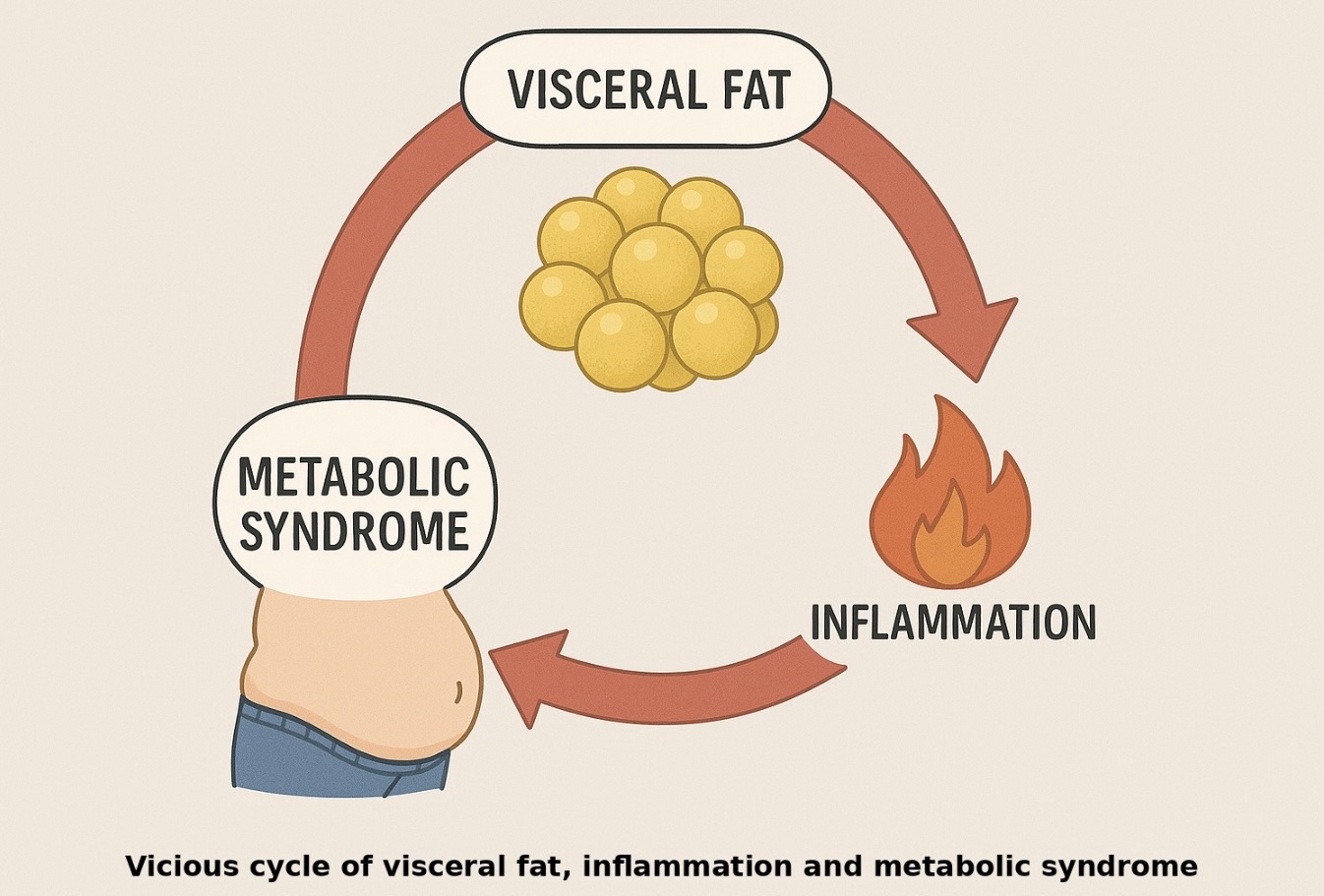
Metabolic syndrome is a cluster of conditions that occur together, increasing your risk of heart disease, stroke, and type 2 diabetes.

It is also associated with fatty liver disease and PCOS or polycystic ovarian syndrome.

It is not a single disease but a group of risk factors.

These include the following five conditions, abdominal obesity, high blood pressure, insulin resistance, high blood levels of triglycerides and low levels of HDL (the good) cholesterol.

A person having three of these five conditions is said to be suffering from metabolic syndrome.

***

Key Components of Metabolic Syndrome:

Abdominal obesity:

Waist circumference of more than 90 cm (35.4 inches) in Indian men and 80 cm (31.5 inches) in women is considered to be abnormal obesity.

Waist measurement has to be taken with the tape placed horizontal at the mid point between the lowest point of the last thoracic rib and the highest point of the iliac crest or the hip bone, this level generally coincides with a point about one inch above the navel (umbilicus), but the position of the navel can vary in grossly abdominally obese persons.

High blood pressure:

Blood pressures greater than 130/85 mm Hg, or on treatment for hypertension

Insulin resistance:

Very broadly speaking, fasting blood sugar levels being higher than normal  (70 to 99 mg/dL or 3.9 to 5.5 mmol/L)  in spite of fasting insulin levels being high (normal 2 to 25 miU/L) indicates  insulin resistance.

High triglycerides:

Blood triglycerides levels of 150 mg/dL (1.7 mmol/L) or higher, or people on treatment for high triglycerides.

Low HDL (the good) cholesterol:

HDL cholesterol less than 40 mg/dL in men and less than 50 mg/dL in women

***

Health Risks Associated with Metabolic Syndrome:

Heart disease

Type 2 diabetes

Stroke

Fatty liver disease

Polycystic ovarian syndrome (PCOS) in women

***

Causes and Risk Factors For Developing Metabolic Syndrome:

Insulin resistance

Sedentary lifestyle

Poor diet high in refined carbohydrates, sugars, and unhealthy fats; low in whole grain cereals and pulses, vegetables, fruits and low fat milk and healthy fats.

Obesity, especially abdominal obesity

Genetics

Aging

Smoking

***

Diagnostic Tests:

Waist circumference measurement

Blood pressure measurement

Fasting blood sugar

Blood insulin levels 

Glucose tolerance test (OGTT)

Lipid profile

***

Treatment and Management:

Lifestyle changes are the first and most important treatment:

They include adapting healthy diet and regular physical activity, weight loss, stress management, quitting smoking and quitting or at least drastically limiting alcohol, treatment of underlying medical conditions and taking necessary supplements.

Healthy diet consisting of whole grain cereals and pulses, vegetables, fruits and low fat milk and healthy fats.

Reduce processed foods, sugar, and refined carbohydrates like rava, maida, refined corn flour, limit white rice, white bread, sweets, colas.

Avoid trans fats and limit saturated fats.

Increase fiber in your diet: Helps control blood sugar, cholesterol, and weight.

Add healthy fats: From moderate amounts of nuts, seeds and fatty sea fish like salmon. 

Adding small amounts of olive oil as dressing for salads but avoiding overheating or overcooking them also helps add healthy fats to the diet.

Avoid trans fats and limit saturated fats.

Trans fats are present in commercially made fried snacks like shev, farsan, samosa, wada, kachori, chips, wafers, French fries, etc. and sweets like jilbi, imrati, balushahi when the same oil is used repeatedly for frying large amounts of these fried foods.

Trans fats are also developed in foods made using vanaspati ghee, partially hydrogenated oils (Dalda), like bakery products (breads, biscuits, cakes, pastries, pattice).

Saturated fats come from palm oil, coconut oil, whole milk and cream, butter, buttermilk, ghee, vanaspti ghee and meat and poultry.

Limit salt: Helps lower blood pressure.

*

Regular physical activity

At least 150 minutes of moderate aerobic activity per week.

Aerobic exercise: 30 to 45 minutes a day (walking, slow jogging, slow running, dancing, cycling, swimming) most days of the week. Helps burn calories and improves cardiovascular fitness, helps lower blood pressure, blood sugar and weight.

Strength training 2–3 days a week helps improve insulin sensitivity.

Keep moving through the day, avoid sitting for long.

*

Weight Management

Losing 5 to 10% of body weight can dramatically improve all five markers of metabolic syndrome and significantly improve symptoms of metabolic syndrome.

Even small, steady weight loss reduces insulin resistance and blood pressure.

*

Sleep Management

Sleep: Aim to get at least 7 to 8 hours of sleep at night; poor sleep worsens insulin resistance and hunger.

*

Stress management: Stress increases cortisol, worsening blood sugar and fat storage.

Practice yoga, meditation, yoganidra, pranayam or deep breathing, or breathing techniques, they reduce stress.

*

Quit smoking and limit alcohol.

*

Medications whenever necessary 

To control blood pressure, cholesterol, or blood sugar levels.

Reversing metabolic syndrome is very achievable, especially in the early stages, through consistent lifestyle changes and, in some cases, the use of targeted supplements, like omega 3, magnesium, Alpha-Lipoic Acid (ALA), Vitamin D, berberine,  cinnamon and probiotics.

Also read the article ‘Abdominal Obesity, Diabetes And Heart Disease’ on this website.

Muscle Cramps, A Common Problem!

Sudden, Painful Spasms Of Muscles!

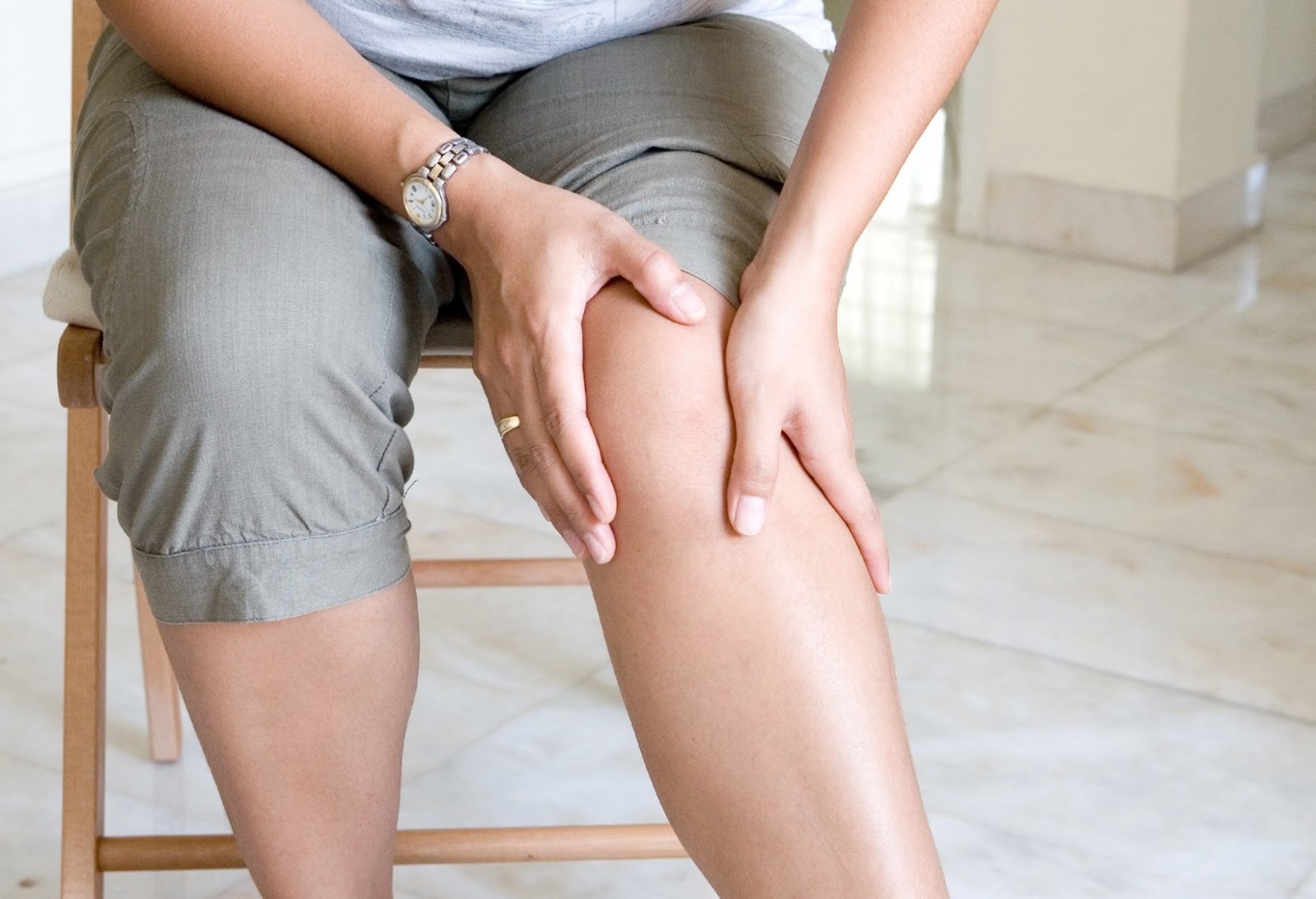
Muscle cramps is a sudden and very painful condition that most people have experienced some time or another in their lives.

Muscle cramps means a sudden, involuntary and very painful contraction of a muscle or a group of muscles that actually freezes a person in that position, making it very difficult to move.

Such cramps are more common in the calf muscles and occur more often at night, but cramps can occur in other muscles and anytime of the day too.

Common Causes of Muscle Cramps

Dehydration:

Loss of fluids through sweating or inadequate intake of water can disturb electrolyte balance.

Electrolyte Imbalance:

Low levels of magnesium, potassium, calcium, or sodium can trigger cramps.

Overuse or Strain:

Prolonged exercise or muscle fatigue can lead to cramps, especially in hot weather.

Prolonged Sitting or Standing:

Holding one position too long, particularly with legs bent or crossed.

Poor Circulation:

Reduced blood flow to muscles, especially in peripheral artery disease (PAD).

Nerve Compression:

Spinal nerve issues (like lumbar stenosis) can cause cramping pain, especially in legs.

Medications:

Diuretics, statins, or certain blood pressure medications can cause cramps.

Medical Conditions:

Diabetes, kidney disease, thyroid disorders, or liver cirrhosis.

Pregnancy:

Common in the second and third trimesters due to changes in circulation and pressure on nerves.

Treatment and Relief

Immediate Relief:

Stretching and Massage

Gently stretch (e.g., flex the foot for a calf cramp) and massage the cramped muscle

Apply Heat or Cold:

Use heat (e.g., warm towel or heating pad) for tight muscles.

Apply ice packs for soreness of muscles after that comes after the cramp.

Hydration

Drink adequate water or an electrolyte drink, especially after sweating or exercise.

Long-Term Management & Prevention

Stay Well Hydrated:

Drink plenty of water throughout the day.

Correct Electrolyte Deficiencies:

Eat foods rich in potassium (bananas, oranges), magnesium (nuts, legumes), and calcium (milk, leafy greens).

Stretch Regularly:

Gentle stretches before bed, especially if you get night cramps.

Adjust Exercise Routine:

Avoid overtraining and allow time for rest and muscle recovery.

Use Proper Footwear:

Use supportive shoes, especially if you’re on your feet a lot.

Medication Review:

Consult your doctor if cramps persist, or if they started after a new medication.

Also read the article ‘Occasional Heaviness Or Weakness In Legs Of Regular Walkers!’ on this website.

Occasional Heaviness Or Weakness In Legs Of Regular Walkers!

Occasional Fatigue And Pain In Legs Of Regular Walkers!

Many regular walkers experience days of weakness, fatigue or heaviness and pain in legs when they wake up in the morning and want to go out for their regular walk.

It could happen due to a few reasons, mostly not too serious.

Sweating heavily on long walks especially on warm and humid days and not drinking enough water can cause dehydration which can cause interference in normal contraction and relaxation of muscles causing this kind of heaviness or fatigue in leg muscles.

Same kind of interference in normal contraction and relaxation of muscles can occur due to the deficiency of magnesium, potassium or calcium and can cause this kind of heaviness or fatigue in leg muscles.

Repetitive use of quadriceps, hamstrings and calf muscles in walking sometimes can cause building up of lactic acid in these muscle groups or can cause micro tears in muscles, causing heaviness or drained feeling in these muscles. This happens more often if you have increased the intensity or duration of walks or have added some upward slopes in walks recently.

This can also happen if the muscles haven’t gotten enough time to recover from long walks or prolonged standing.

This can also happen if your shoes do not provide proper support to the arch of your feet or if the sole of your shoes have worn thin with long use, or you have been walking on hard surfaces, causing strain on your leg muscles, making them painful.

Pain in legs could also be caused by vertebral problems causing pressure on the nerves going down into the legs or due to some neurological diseases, but these pains are less likely to be temporary.

Preventive tips: 

Drink ample water, more so in hot climates.

Use good quality walking shoes of a good brand.

Try walking on softer surfaces like on natural ground or lawns.

Lie on your bed with your legs elevated, preferably against a wall close to the bed, or on cushions or roll of a blanket, after a walk.

Have a rest day between walking days to allow the muscles to ‘recover’.

Include magnesium rich foods like pumpkin seeds, chia seeds, almonds, cashew nuts (in moderation if you’re watching your weight), brown rice, oats, black , lentils (masur, toor, mug, matki), chickpeas, soya, spinach and other green leafy vegetables, sea fish, in your food.

Happy walking to all!

Also read ‘Magical Health Benefits Of Walking’ and ‘Walking To Be Slim And Healthy’ on this website!

Walking Helps Improve Muscle Tone Too!

Effect Of Walking On Muscle Tone!

Many people imagine that walking does not help tone up body muscles.

But it isn’t true.

Walking does improve various lower body group of muscles and also the core muscles.

Walking is an excellent low-impact exercise that also helps tone and strengthen several key muscle groups, primarily in the lower body and core. Here are the muscles groups that are engaged and toned through regular walking:

Leg Muscles:

Quadriceps is the group of four muscles (Rectus femoris, Vastus lateralis, Vastus medialis and Vastus intermedius) in front of thighs, that helps flex the hip and extends the knee with each step.

Hamstrings is the group of three muscles (Biceps femoris, Semitendinosus and Semimembranosus) at the back of thighs that helps extend the thigh and flex the knee.

Calves have two muscles (Gastrocnemius and Soleus) that help us push-off while walking.

Tibialis anterior is the muscle in front of the lower leg that lifts the foot during the swing phase.

Glutes (Buttocks)

Gluteus maximus, Gluteus medius and Gluteus minimus are the muscles that help with hip extension and stabilisation of hip. Walking uphill, climbing stairs or brisk walking especially activates the glutes more intensely.

Hip Muscles

Hip Flexors (Iliopsoas, Rectus Femoris, Sartorius, Pectineus, Iliacus, Psoas Major) help lift the leg towards the chest and help us bend forward.

Hip Adductors (Adductor longus, Adductor brevis, Adductor magnus, Gracilis, and Pectineus), they help bring the leg towards the midline of the body from a lifted sideways (abducted) position and help stabilize the pelvis as you walk.

Hip Abductors (Gluteus Medius, Gluteus Minimus and Tensor Fasciae Latae) help lift the leg sideways, away from the midline of the body and help stabilize the pelvis as you walk.

Core Muscles

Abdominals (rectus abdominis, transverse abdominis, obliques) help stabilize your torso and maintain posture.

Lower back muscles (extensors, flexors, and oblique muscles) provide spinal support and help maintain balance.

Arm and Shoulder Muscles (Deltoids, biceps, and triceps) are also slightly engaged if you swing your arms naturally or walk with weights in your hands.

Walking briskly (4.5 to 6 km per hour) with good posture, including some stretch of upward slopes in your walk, increasing walking pace or light jogging in intervals, consciously engaging your core (below the naval) muscles and pumping arms as you walk help improve muscle tone.

Also read ‘Magical Health Benefits Of Walking’ and ‘Walking To Be Slim And Healthy’ on this website

Magical Health Benefits Of Walking!

Walking Benefits Every Organ Of The Body!

Walking is a safe, low impact exercise that only requires proper clothing and footwear, it can be done outdoors or indoors, requires no trainers or special gear.

Effect of walking on health:

Weight loss:

Walking burns about 250 calories per hour and since it is a low impact exercise, one can walk much longer than high impact exercise like running or HIIT. So effectively, it can help burn a lot of calories if you can invest enough time into it, even spread over the day and this helps weight loss.

Weight loss helps lower blood pressure, sugar, cholesterol and protects us from diabetes, heart disease and strokes.

Heart:

According to the American Heart Association, walking is as effective in preventing coronary heart disease as running. A daily thirty minute walk lowers blood pressure and cholesterol and improves blood circulation, helping prevent heart disease and strokes.

Brain:

Walking regularly improves the brain health. A University Of Kansas study found that walking prevents early onset of dementia and reduces the risk of developing Alzheimer’s disease. 

Over 35 million people worldwide are suffering from Alzheimer’s disease and scientists predict that the number will double in twenty years.

Those who have been active lifelong are less likely to develop Alzheimer’s than those who are sedentary. Being physically active increases the volume of the hippocampus. It is a small, curved structure located deep in the brain’s temporal lobe. It plays a central role in memory and learning,

Walking reduces stress and stimulates the of release of endorphins, it not only stimulates the chemicals that improve brain health but also the growth and survival of the neural blood vessels.

Mind:

Walking calms your mind. In a study on fifty severally depressed individuals the Journal Of Psychiatric Research found that thirty to forty five minutes of walk five days week significantly improved their condition. If it can do this to severely depressed people you can imagine how easily it can improve your mood when you feel a little low!

Walking stimulates production of various beneficial brain chemicals including endorphins, dopamine, serotonin, norepinephrine and brain derived neurotrophic factor. These chemicals improve self esteem and are also responsible for elevating mood, keeping us happy, energetic, improve focus, attention, and divergent thinking and problem solving abilities. It also reduces cortisol levels and brings in a sense of calm.

Eyes:

It helps relieve eye pressure and helps relieve glaucoma and its symptoms. The Glaucoma Research Foundation recommends walking as the best exercise for reducing the risk of developing glaucoma and also for relieving its symptoms. Both low and high intensity exercises improve the health of the visual cortex, that part of the brain that processes the visuals that our eyes send to it.

Lungs:

It improves lung volume and function. Walking is an aerobic exercise, it increases oxygen flow in the blood and helps eliminate toxins and wastes. Deeper and better breathing improves the lung function and helps significantly improve some symptoms of lung disease.

Immune system:

Stress and lung disease medication weaken the immune system, walking outdoors in green environment strengthens immune system.

Pancreatic health:

Walking improves pancreatic health and function better than running. Walking is a more effective way of preventing diabetes than is running.

A six month trial in a Duke University study of a group of people who walked regularly, showed a six times greater improvement in glucose tolerance than a group of runners. More efficient use of sugar allows the pancreas to produce less insulin and gives it much needed rest.

Digestion:

Walking improves digestion. Just thirty minutes of daily walk improves digestion and regulates bowel movement, helping prevent constipation.

It helps prevent colon cancer. It also helps people survive colon cancer even amongst those who have already been diagnosed of it.

This fact has been established in a study of over 1,50,000 people where the activity levels of people who had survived colon cancer were compared with those who had colon cancer and died of it.

Muscles:

Just thirty minute walk every day helps tone up your muscles. Walking about 10000 steps or about 7.5 km with some uphill walking included in it, is as effective as proper workout in a gym.

Bones and joints:

It helps build stronger bones and joints. Walking improves joint mobility, bone density and reduces the risk of fractures.

The Arthritis Foundation recommends thirty minute walks to reduce pain, stiffness and inflammation in the joints. Strong bones reduce bone loss and help prevent osteoporosis.

Backache:

Walking reduces back pain. It improves blood supply to the vertebral structures and pumps nutrients into the soft tissues around them.

Walking makes the spine more stable and strengthens the muscles those keep the spine upright.

This improves posture and flexibility.

In short, walking is a magical exercise that can completely revolutionise your health.

***

So wear comfortable, breathable clothes, put on good quality walking shoes and start walking, any time of the day, indoors or outdoors, even better in natural, green, pollution free areas.

Walk as much as you comfortably can, at your own comfortable pace and keep walking consistently, increase the time and pace of walk as you get fitter.

Walk morning, evening if you can, try reaching at least 6 km a day and more if you can and watch how it works its magic on your health!

Also read the articles ‘Walking To Be Slim And Healthy’ and ‘The Safest Slimming Exercise In The World!’ on this website.


Getting Heart Healthy!

Preventing Heart Disease!

Nearly thirty per cent of adults over forty five years of age in India have a confirmed diagnosis of cardiovascular heart disease.

Nearly 350 men per lac men and 265 women per lac women in India die of cardiovascular heart disease.

And cardiovascular heart disease is largely preventible, and still we see a large number of people suffering from it.

It is not too difficult to stay heart healthy if we know what to do to stay heart healthy and are a little conscious about how to stay that way.

Staying heart healthy is all about consistent, balanced habits. 

Here are some of the key things that help.

***

Eat healthy: 

Adapt a healthy diet rich in fruits, vegetables, whole grain cereals and pulses, skimmed or low fat milk and its products like curds, buttermilk, home made paneer.

Non vegetarians can have lean proteins like fish, especially sea fish and lean meats.

Vegetarians can get adequate proteins through milk and the combined consumption of pulses and cereals.

It is also important to get moderate amounts of healthy fats from our food. In India, for our relatively high temperature cooking, groundnut oil if your cooking is low temperature cooking, like salad dressing, olive oil, nuts, and avocados provide good fats. But make sure your fat consumption is very moderate as we are also watching our weight.

Limit saturated fats viz. fatty meats, cream, butter, ghee, trans fats viz. vanaspati ghee, coconut and palm oils, fried foods, salt and added sugars.

Most of these precautions are also in confirmation with the DASH Diet or the Mediterranean Diet, both have been confirmed to be great for heart health.

Eating healthy can lower the risk of cardiovascular disease by 30 per cent!

***

Get off your chair or the couch and get adequate workout.

Aim for at least 150 minutes of moderate exercise like brisk walking or 75 minutes of vigorous exercise like running or jogging per week.

Include strength training a couple of times a week, too, if you get proper guidance for it or have already been trained to do it. Small weights and more repetitions are more likely to be beneficial as there is lesser risk of injuries in it.

Regular exercise as simple as brisk walking 150 minutes a week can lower the risk of cardiovascular disease by 25 to 30 per cent!

***

Lose weight, if you are overweight.

Getting completely slim from being obese can lower your heart disease risk by 50 per cent, especially losing weight by adapting a healthy diet and exercising regularly.

***

Manage Stress:

Chronic stress can increase blood pressure and heart disease risk.

Practices like meditation, deep breathing, pranayam, yoga, yoganidra or just taking time to chill out can help.

***

Sleep Well:

Get  7 to 9 hours of quality sleep each night.

Poor sleep can contribute to high blood pressure and other heart problems.

***

Avoid Smoking and Limit Alcohol:

Smoking is one of the worst things for your heart. If you smoke, quitting altogether is the only option if you wish to stay heart healthy.

If you drink, do so in moderation. Western advice is maximum one drink a day for women, 2 for men, but this limit is probably guided more due to the culture of drinking daily in the West. 

In our culture, it should be limited to one and two a week, for women and men respectively, complete quitting is even better if you want to get heart healthy.

The DASH Diet also advises similarly.

**

Keep an eye on your blood pressure, blood sugar, cholesterol and weight.

Regular check-ups can catch issues early.

Make sure they are all within normal range.

***

Stay Connected:

Social interaction with family and friends is good for your heart. Staying connected helps reduce stress and improves emotional well-being.

***

A 2021 study in the Lancet found that the modifiable risk factors, particularly diet, blood pressure and cholesterol, account for over 70 per cent of global cardiovascular deaths.

Meaning eating healthier and controlling the blood pressure and cholesterol can lower the global cardiovascular deaths by over 70 per cent.

The INTERHEART study (global case-control) showed that 90 per cent heart attacks can be explained by modifiable lifestyle factors.

Meaning probably that 90 per cent of heart attacks can be prevented by lifestyle modification.

***

So making these lifestyle changes can immeasurably improve our heart health, the sooner we begin the better, but it is never too late.

***

We have always helped people get slim and healthy by only simply nutritionally fine tuning their original food patterns and keeping the food plan as close to their original food habits as possible and planning exercise mostly in the form of walking regularly, which most people easily can, not only at our Slimming Centre in Pune, but also all over the world, on our ‘Distance Program’.

On such treatment people can get slim and healthy and overcome various diseases associated with obesity including hypertension, diabetes, heart disease, assuredly and happily, as their nutrition and fitness improve dramatically!

While most of the obesity clinics or weight loss treatments in Pune or anywhere else rely on low calorie diets in one form or another to treat obesity, such treatments cannot help people get slim and healthy long term, much less overcome diseases associated with obesity.

***

Also read the article ‘Eating To Lower Your Blood Pressure And Become Heart Healthy!’ on this website.

Eating To Lower Blood Pressure And To Become Heart Healthy!

The DASH Diet Or The Dietary Approaches To Stop Hypertension!

Most people know that a very large number of people in India suffer from diabetes and it is a very grave disease that can damage the health of multiple organs and can be fatal.

What is probably not as commonly perceived is that there are over three times more hypertensives than diabetics in India and hypertension is as grave a disease as diabetes.

And there is a way of eating that can lower your blood pressure and help you become heart healthy.

***

The world famous hypertension prevention diet is the DASH (Dietary Approaches To Stop Hypertension) diet.

It recommends:

Eat ample fruits and vegetables.

Eat ample whole grains.

Eat lean meat, poultry, fish and legumes.

Consume low fat or fat free dairy.

Eat unsaturated fats, avoid saturated fats.

Limit red meat.

Limit salt, sodium consumption.

Avoid or limit alcohol consumption.

***

Health benefits of the DASH Diet:

Lowers blood pressure.

Improves cholesterol.

Lowers heart disease risk.

Supports weight loss.

May lower the risk of diabetes and strokes.

***

Adapting the DASH Diet to our food.

Whole grains:

Our major meals basically consists of a combination of whole grain cereals in the form of chapati, rice, bhakri and whole grain pulses and legumes in the form of varan / amti / dal / sambar and  usal / pithla. So it is already rich in whole grains, as is advised on the DASH Diet.

Plus both cereals and pulses lack one and three essential amino acids respectively but the amino acid lacking in cereals (lysine) is available in pulses and the amino acids lacking in pulses (methionine, tryptophan and cysteine) are available in cereals.

So we should look to consume cereals and pulses together in both the major meals.

We also consume vegetables in both of our major meals.

So we should consume cereals, pulses and vegetables and moderate amounts of a good cooking oil to cook them, in every meal.

This is not difficult as normally also we eat in the same pattern.

This also implies that we should avoid simple carbohydrates like sugar, jaggery, honey, rava and maida (all purpose flour) and bakery products.

We should consume skim milk or low fat milk, legumes (pulses), fish, lean meats and chicken for proteins.

Skim milk or low fat milk and curds, buttermilk, paneer made from this milk should be part of this diet.

Vegetarians can have adequate low fat milk and pulses and cereals to get proteins sans fats, which the DASH Diet recommends.

Eating low fat dairy (milk and its products) and lean portions of meat and poultry satisfies this condition in people who also consume non vegetarian food.

Eggs too are low in saturated fat and can be included in moderation in this diet, no more than a whole egg a day, for four or less days, especially if you are watching your cholesterol as it has 210 mg cholesterol in a whole egg.

If you eat fish, include sea fish, especially the fatty fish in your food twice a week, it provides healthy fats and the heart healthy sea source omega 3 fatty acids, DHA and EPA.

They prevent inflammation in the arteries and thus help prevent atherosclerosis of the arteries, helping lower the blood pressure and to prevent heart attacks.

It also allows nuts and seeds as they have good fats and are low in saturated fats, but eat them very moderately if you are looking to lose weight. They are high in fats and thus high in calories.

DASH Diet recommends stricter control on salt and sodium.

So use salt minimally in your cooking, avoid high salt, high sodium salty snacks like chips, French fries, fast foods and seasoned, frozen ready to eat meats.

Avoid alcohol consumption completely or reduce it as much as possible.

Also read the article ‘Hypertension’ on this website.

Understanding Lipid Profile!

How To Interpret Lipid Profile!

Most people know that lipid profile is the blood test that doctors order to check if they have any heart disease risk.

Few probably also know that high levels of total cholesterol, LDL (low density lipoprotein) cholesterol and VLDL (very low density lipoprotein) cholesterol are bad for their heart health and normal levels of HDL (high density lipoprotein) cholesterol is good for their heart health.

Lipid profile tests of most labs include blood levels of total cholesterol, LDL cholesterol, VLDL cholesterol, HDL cholesterol and the ratios of total cholesterol to HDL  cholesterol and LDL cholesterol to HDL  cholesterol. The reports also include blood levels of triglycerides.

Normal levels of total cholesterol are less than 200 mg/dL, those for LDL cholesterol are less than 100 mg/dL, those of HDL cholesterol are above 60 mg/dL and those for triglycerides are less than 150 mg/dL.

But the optimal levels of LDL cholesterol are less than 100 mg/dL and those recommended for heart disease and diabetes patients are less than 70 mg/dL.

The normal ratio of total cholesterol to HDL  cholesterol should be lower than 3.2.

The normal ratio of LDL cholesterol to HDL  cholesterol should be between 0.5 to 3.0.

LDL and VLDL are not the only cholesterols that are atherogenic, that is they cause atherogenesis or hardening of the arteries that leads to hypertension, heart attacks and strokes.

Lipoprotein(a) or Lp(a), intermediate-density lipoprotein (IDL) are similar to LDL and VLDL cholesterol and also are atherogenic lipoproteins.

Triglycerides are normal fats in blood and their normal levels are below 150 mg/dL.

Raised levels of triglycerides lead to the metabolic syndrome, hypertension, heart disease, strokes and diabetes.

***

But there are other factors to lipid profile that should also be included in a lipid profile, but are covered by only a few laboratories.

These are Apolipoprotein A1 (ApoA1) and Apolipoprotein B (ApoB).

Apolipoprotein B (ApoB) is the primary protein component of all of these atherogenic cholesterols namely LDL, VLDL, Lp(a) and (IDL).

Raised Apolipoprotein B (ApoB) levels indicate increased risk of atherosclerotic cardiovascular disease, even if LDL cholesterol levels are normal.

Apolipoprotein A1 (ApoA1) is the primary protein associated with high-density lipoprotein (HDL).

Raised ApoB to ApoA1 ratio indicates an increased risk of atherosclerotic cardiovascular disease, independently of LDL and HDL cholesterol concentrations.

That is why the Apolipoprotein B, Apolipoprotein A1 levels and the ApoB to ApoA1 ratio are more significant than the  ratios of total cholesterol to HDL cholesterol and the LDL cholesterol to HDL cholesterol.

That is why, when you get a lipid profile test done, make sure that it includes Apolipoprotein B, Apolipoprotein A1 levels and the ApoB to ApoA1 ratio in it.

Also read ‘What You Must Know About Cholesterol’ on this website.

Water Walking!

The Amazing Benefits Of Water Walking!

Many people have problems with their back, knees, hip joints, ankles and heels; many people are recovering from injuries or surgeries to the back and the lower limb joints, that make it difficult and painful for them to walk on the ground or floor or on a treadmill.

They have a wonderful option to walking on the ground or floor or on a treadmill.

And that is water walking!

***

Water exerts an upward force on any object in it.

This force is called buoyancy and it counteracts gravity.

This force reduces the effective weight of the object in water.

When a person is in water, buoyancy helps reduce the weight of the person directly proportional to the depth of water and how much a person is submerged in water.

In waist-deep water, about 50%, in chest-deep water, about 75% and in neck-deep water, up to 90% of body weight is offloaded, greatly reducing stress on joints when you walk or move around in water.

Because of this, water walking becomes a low-impact exercise that can be performed in a swimming pool.

It should be done in at least waist deep or better in chest deep water so the water buoyancy reduces the effect of our body weight on our joints while water offers greater resistance to our muscles when we move in water.

It involves walking forward, backward and sideways, sometimes with added resistance tools like water weights or foam noodles.

***

Benefits of water walking:

Low impact on joints: The buoyancy of water reduces stress on joints, making it ideal for people with arthritis, joint pain, or injuries.

Enhances muscle strength and endurance: Water resistance engages multiple muscle groups, improving strength and tone.

Improves cardiovascular health: Walking in water increases heart rate and circulation and thus it can become a low impact cardiovascular exercise even while being gentle on the body.

Burns calories and aids in weight loss: Water walking helps burn calories effectively while being easier on the body than land exercises.

Boosts flexibility and balance: Water resistance helps improve stability, coordination, and flexibility.

Reduces mental stress and improves mental health: Exercising in water has a calming effect, reducing stress and promoting relaxation.

Suitable for different fitness levels and conditions: It is suitable and beneficial to the aged people, to those recovering from an injury or surgeries, pregnant, or those looking for a low-impact workout, almost anyone can benefit hugely from water exercises.

It can be done casually without a trainer or as part of a structured workout with varying speeds, resistance tools, or interval training, guided by an expert trainer.

***

Diseases which water walking can play an important role in recovering from or controlling better:

Water walking can be of great help in overcoming or help in reversing or controlling of coronary heart disease, diabetes and in rehabilitation of diseases like osteoarthritis knees, low backache, hip, ankle injuries, post surgical rehabilitation in joint and spine surgeries, post stroke recovery, illnesses rheumatoid arthritis, fibromyalgia, and Parkinson’s disease.

***

Preparations for beginning water walking:

Choosing the right pool:

Select a pool with steps to climb down in the pool. A pool with only ladders to climb down may not suit people having limited joint mobility and pain.

Select a pool with proper water filtration and chlorination facilities.

Select a pool with adequate depth to be able to walk in chest deep water, for the best balance of resistance and buoyancy.

***

A note of caution:

Most pools will have wet flooring around the pool and can be slippery and the elderly or people recovering from injuries or surgery can slip and fall on such floors. Ensure that you have a companion who can escort you around the pool.

***

Water temperatures:

Water temperatures in cold climate cities may be too cold in winter and it might not suit painful joints to exercise in it, other than that, swimming pool water temperature in India is soothing on joints most other time.

***

Swimwear gear:

Wear proper comfortable swimwear clothing, a cap and pool goggles and water shoes.

***

Basic Water Walking Technique:

Stand tall with good posture.

Step forward heel to toe, engaging core muscles.

Keep arms moving naturally, or use them for resistance by pushing against the water.

Walk forward, backward, and sideways to engage different muscle groups.

Maintain a steady, controlled pace.

***

Workout Plan for Beginners (20 to 30 minutes total)

Warm up (5 Minutes):

Walk at a slow, steady pace to get used to the water.

Main workout (15 to 20 Minutes):

Forward walking: 5 minutes at a moderate pace.

Side steps: Walk sideways both sides for 6 minutes to engage inner and outer thighs.

Backward walking: 3 to 5 minutes to improve balance and coordination.

High knee raise: 2 to 3 minutes for strengthening the core muscles and cardiovascular boost.

Cool Down (5 Minutes):

Walk at a slow pace and stretch in the water.

You can increase pace and time of exercise as you get fitter and healthier!

Also read the article ‘Walking To Be Slim And Healthy!’ on this website.

***

वॉटर वॉकिंग!

वॉटर वॉकिंगचे जादूई फायदे!

आज अनेक लोक कंबर, गुडघे, हिप हे सांधे, घोटा आणि टाच दुःखी मुळे, किंवा मणक्यांच्या किंवा ह्या सांध्यांच्या दुखापती किंवा सर्जरी नंतर च्या वेदनांमुळे जमिनीवर किंवा ट्रेडमिल वर ही चालू शकत नाहीत.

अशा लोकांसाठी किंवा इतर अनेक आजारांसाठी किंवा सर्वसाधारण फिटनेस साठी ही वॉटर वॉकिंग किंवा पाण्यात चालणे हा सर्वात उत्तम एक्सरसाईज आहे!

***

वॉटर बॉयन्सी:

पाण्यामध्ये असलेल्या प्रत्येक गोष्टी वर पाणी एक ‘अपवर्ड फोर्स’ एक्झर्ट करत असते. ह्या फोर्स ला पाण्याची बॉयन्सी असे म्हटले जाते.

हा फोर्स ग्रॅव्हीटी च्या (गुरुत्वाकर्षणाच्या) विरुद्ध फोर्स असतो आणि त्यामुळे ती गोष्ट पाण्यावर तरंगू शकते.

जेव्हा आपण पाण्यात असतो तेव्हा हा फोर्स आपल्याला पाण्यावर तरंगण्यास मदत करतो.

म्हणजेच पाण्यात आपले वजन कमी होते.

आपण जेवढे खोल पाण्यात जाऊ तितके आणि जितके पाण्याच्या खाली असू, तितके आपले वजन कमी होते.

म्हणजेच आपण कंबरे पर्यंत पाण्यात असलो तर आपले वजन साधारण 50 टक्के, छाती इतक्या पाण्यात असलो तर 75 टक्के आणि गळ्यापर्यंत पाण्यात असलो तर 90 टक्के कमी होते.

वॉटर वॉकिंग मध्ये सरळ चालणे, रेट्रो किंवा पाठीमागे उलटे चालणे, दोन्ही बाजूला साईड बाय साईड चालणे, सरळ उभे राहून पाय गुडघ्यातून फोल्ड करून छाती जवळ घेणे, गुडघ्यातून न फोल्ड करता सरळ वर उचलणे, कंबरेतून पाय सरळ ठेऊन पाठी मागे उचलणे, एक पायावर उभे राहून दुसरा पाय साईड ला वर उचलणे, नंतर दुसऱ्या पायावर उभे राहून पहिला पाय साईड ला वर उचलणे हे स्वतः हून सहज करता येण्या सारखे एक्सरसाईज तुम्ही करू शकता. 

स्नायूंमध्ये ताकद आल्यानंतर हेच एक्सरसाईज तुम्ही वॉटर वेट्स लावून ही करू शकता, ज्याने स्नायूंना अधिक ताकद येऊ येते. 

***

वॉटर वॉकिंग चे फायदे:

पाण्यात आपले वजन कमी झाल्याने पाण्यात हालचाल करताना आपल्या वजन पेलणाऱ्या सांध्यांवरील प्रेशर खूप कमी होते आणि छाती एवढ्या पाण्यात केलेला एक्सरसाईज लो इम्पॅक्ट होतो आणि साहजिकच त्या सांध्यांची झीज कमी होते.

आणि त्याच वेळी आपण पाण्यात हालचाल करताना पाणी आपल्या स्नायूंना विरोध करणार फोर्स अप्लाय करते आणि ह्या हालचाली करण्याने पोट (कोर), पाठ – कंबर, आणि पायाचे स्नायू बळकट होतात आणि  पाठ – कंबर, हिप, गुडघे ही दुखणी कमी किंवा पूर्ण बरी होण्यास मदत होते.

म्हणूनच विशेषतः गुडघे दुखी सारख्या दुखण्यांमध्ये जमिनी वर चालण्यापेक्षा पाण्यात चालणे खूप सोपे आणि कमी वेदनादायक होते आणि म्हणून ऑस्टिओआर्थरायटिस मधील गुडघे दुखी किंवा नी रिप्लेसमेंट सारख्या सर्जरी नंतर रिकव्हर होण्यासाठी वॉटर वॉकिंग हा सर्वोत्तम एक्सरसाईज आहे.

पाण्यात कमी वेगाने हालचाली करतानाही हार्ट रेट वाढून तो एक्सरसाईज कार्डिओव्हॅस्क्युलर होतो आणि ब्लड सर्क्युलेशन (रक्ताभिसरण) आणि हृदयाचे आरोग्य सुधारते.

हा एक्सरसाईज लो इम्पॅक्ट असूनही त्यात कॅलरीज अधिक जळतात आणि वजन उतरण्यास मदत होते.

हा एक्सरसाईज करण्याने स्नायू आणि सांध्यांची स्टॅबिलिटी, बॅलन्स, कोऑर्डिनेशन (समन्वय) आणि फ्लेक्सिबिलिटी (लवचिकता) वाढते.

ह्या एक्सरसाईज मुळे मन शांत होण्यास आणि स्ट्रेस (तणाव) कमी होण्यास आणि रिलॅक्स होण्यास मदत होते.

वजन कमी होण्याने, स्नायू चे आरोग्य सुधारण्याने आणि मन शांत होण्याने ब्लड प्रेशर आणि ब्लड शुगर्स कमी होण्यास मदत होते.

***

ह्या एक्सरसाईज चा फायदा कोणाला होऊ शकतो:

वयस्कर लोक, विविध दुखणी असलेले लोक, सांधे आणि मंडक्यांच्या सर्जरी मधून रिकव्हर होणारे लोक, प्रेगनन्सी, किंवा जनरली फिट होण्या साठी आणि पाणी आवडत असलेल्या कोणासाठीही हे उत्तम एक्सरसाईज आहेत.

***

वॉटर वॉकिंग मुळे बरे होऊ शकणारे किंवा अधिक चांगले कंट्रोल होऊ शकणारे आजार:

ब्लड प्रेशर, हृदयविकार, डायबीटिस, गुडघे, मणक्यांचे आजार किंवा त्यांच्या सर्जरी नंतरची रिकव्हरी, स्ट्रोक्स नंतरची रिकव्हरी अशा अनेक आजारांसाठी वॉटर वॉकिंग उत्तम उपाय ठरू शकतो.

***

वॉटर वॉकिंग ची तयारी कशी कराल?

पहिले म्हणजे चांगला स्विमिंग पूल निवडणे.

सर्वात प्रथम पायऱ्या असलेला पूल निवडा, नुसत्या शिड्या असलेला नको.

पूल मध्ये वॉटर फिल्टरेशन आणि क्लोरिनेशन खरेच वापरले जाते का ते चेक करा.

पुरेशी डेप्थ (खोली) असलेला पूल निवडा.

***

एक नोट ऑफ कॉशन:

पूल च्या बाहेर जमीन ओली आणि निसरडी असू शकते. तसे असल्यास पूल बाहेर चालताना खूप काळजी घ्या, तुम्हाला कोणी तरी बरोबर घेऊन चालणे आवश्यक होऊ शकते.

***

बेसिक वॉटर वॉकिंग टेक्निक:

सरळ उभे रहा, पोस्चर ताठ आणि सरळ ठेवा.

टाच ते पायाची बोटे अशा स्टेप्स घ्या.

हात बाजूला नॉर्मली स्विंग करत चाला.

स्टेडी कंट्रोल्ड पेस ठेऊन चाला.

***

नव्याने सुरुवात करताना बिगिनर्स वर्कआऊट प्लॅन: (20 ते 30 मिनिटे)

वॉर्म अप: छाती इतक्या पाण्यात 5 मिनिट स्लो सरळ चाला.

नंतर 5 मिनिट मध्यम स्पीडने सरळ चाला.

नंतर कंबरेतून पाय उजवीकडे (आणि नंतर डावीकडे) सरळ उचलून दोन्ही बाजूने 3 – 3 मिनिट चाला.

त्या नंतर 3 ते 5 मिनिट उलटे चाला (रेट्रो वॉकिंग).

त्या नंतर सरळ उभे राहून पाय गुडघ्यातून फोल्ड करून छाती जवळ घेणे, गुडघ्यातून न फोल्ड करता सरळ वर उचलणे, कंबरेतून पाय सरळ ठेऊन पाठी मागे उचलणे, एक पायावर उभे राहून दुसरा पाय साईड ला वर उचलणे, नंतर दुसऱ्या पायावर उभे राहून पहिला पाय साईड ला वर उचलणे हे एक्सरसाईज 1, 1 मिनिट करा.

कूल डाउन: छाती इतक्या पाण्यात 5 मिनिट स्लो सरळ चाला.

जस जसे तुम्ही फिट आणि हेल्थी होत जाल तसे तुम्ही एक्सरसाईज चा टाईम वाढवू शकता!

Retro Walking or Walking Backwards!

Physical And Mental Health Benefits Of Walking Backwards!

Walking backwards, also known as retro walking, is a new trend in exercise that is now considered as an excellent physical activity.

It can be done on floor or on ground or it can be done as water walking in a swimming pool.

It has multiple health benefits including physical, mental, and cognitive health and overall mental and physical fitness.

It helps in rehabilitation and pain relief and calorie burning and in improving cardiovascular fitness.

***

Physical health benefits:

Improves Balance & Coordination: Engages different muscle groups and improves awareness of body position.

Strengthens Leg Muscles:  Works the hamstrings, calves, and glutes more than forward walking.

Reduces Joint Impact: Reduces stress on the knees and helps relieve knee pain and knee rehabilitation.

Improves posture: Reduces strain on the lower back and helps develop upright posture.

These benefits are more pronounced if you retro walk in a swimming pool than on ground or a treadmill.

***

Cognitive and neurological benefits: It activates different neural pathways, improves cognitive flexibility and memory and improves brain function.

Improves mental faculties and awareness: Improves focus and attention, enhancing mental awareness.

***

Improves Athletic Performance: Improves core muscle strength and stability and helps improve running speed.

Rehabilitation and Pain Relief: Strengthens knee, leg and back muscles helps in rehabilitation of knee injuries, arthritis and post surgery recovery.

Reduces lower back pain: Strengthens muscles that support the spine and helps reduce lower back pain.

***

Burns more calories: Requires more effort and hence burns more calories.

Improves cardiovascular health: Provides good aerobic workout even at lower speeds.

***

Tips to Get Started:

Start on a flat, safe surface, track or a treadmill or in a swimming pool.

Warm up with normal forward walk for five to ten minutes.

Use handrails if necessary, for backward walk.

Focus on your posture, keep the back straight while walking backwards.

Use short, controlled steps to maintain balance.

Focus on controlled movements to avoid falls.

Swing your arms naturally to maintain coordination.

Start with only a few steps backward initially.

Increase to one or two minute backwards walking once you learn to walk backwards and increase the

distance and time gradually.

Walk backwards for 10 to 15 minutes in one session.

***

Also read the article ‘Walking To Be Slim And Healthy!’ on this website.

***

रेट्रो वॉकिंग किंवा वॉकिंग बॅकवर्ड्स किंवा उलटे चालणे आणि त्याचे फायदे!

रेट्रो वॉकिंग किंवा वॉकिंग बॅकवर्ड्स म्हणजे उलटे चालणे.

हा एक थोडा अवघड पण उत्तम एक्सरसाईज आहे.

हा एक्सरसाईज आपण ग्राउन्ड वर, घरात किंवा सर्वात सुरक्षित आणि सर्वात उत्तम, पाण्यात स्विमिंग पूल मध्ये करू शकतो.

ह्या एक्सरसाईज मुळे शारीरिक, मानसिक, आरोग्य आणि फिटनेस तसेच कॉग्निटिव्ह (आकलन क्षमता) हेल्थ वर खूप चांगला परिणाम होतो.

तसेच ह्या एक्सरसाईज मुळे इंजरी रिहबिलिटेशन, वेदना मुक्ती आणि कॅलरी बर्निंग आणि कार्डिओव्हॅस्क्युलर हेल्थ वर ही उत्तम परिणाम होतो.

***

शारीरिक आरोग्यावरील परिणाम:

शरीराचा बॅलन्स (संतुलन) आणि कोऑर्डिनेशन (समन्वय) सुधारतो: शरीरातील वेगळे मसल (स्नायू) ग्रुप वापरले जातात आणि शरीराच्या पोझिशन (स्थिती) चा अवेअरनेस (जाणीव) सुधारतो.

पायाच्या मसल्स ची ताकद वाढते: मांडी च्या मागचे हॅमस्ट्रिंग आणि पायाच्या मागील काफ मसल्स आणि सीट चे ग्लुटियल मसल्स सरळ चालण्याच्या एक्सरसाईज पेक्षा अधिक वापरले जातात आणि अधिक सशक्त होतात.

पायाच्या सांध्यांवरील इम्पॅक्ट कमी होतो: त्यामुळे गुडघ्यांवरील ताण कमी होऊन गुडघे बरे होण्यास मदत होते आणि तेथील वेदना कमी होतात.

पोस्चर सुधारते: कंबरेच्या मसल्स (स्नायू) वरील ताण कमी होऊन पोस्चर अपराइट (ताठ) होण्यास मदत होते.

हे फायदे रेट्रो वाटर वॉकिंग मध्ये अधिक चांगले आणि अधिक लवकर झालेले दिसतात.

***

कॉग्निटिव्ह आणि न्यूरॉलॉजिकल परिणाम: असे चालल्याने मेंदू मध्ये वेगळे न्यूरल पाथवेज निर्माण होतात आणि कॉग्निटिव्ह फ्लेक्सबलिटी (आकलन लवचिकता), मेमरी (स्मरणशक्ती) आणि मेंदू ची कार्यक्षमता सुधारते.

मेंटल फॅकल्टी (मानसिक कार्यक्षमता) आणि अवेअरनेस (जाणीव, जागरूकता): फोकस आणि अटेंशन (एकाग्रता) आणि मेंटल अवेअरनेस (मानसिक जागरूकता) सुधारतात.

***

ॲथलेटीक परफॉर्मन्स सुधारतो. पायाच्या, पाठीच्या मसल्स ची ताकद वाढते आणि त्यामुळे पाठ, गुडघे ह्यांचे आरोग्य सुधारते आणि तेथे होणाऱ्या आजारातून किंवा सर्जरी मधून लवकर रिहॅबलिटेशन होऊ शकते.

पाठीच्या, कंबरेच्या मसल्स बळकट होतात आणि त्यामुळे पाठ कंबरदुखी बरी होऊ शकते.

***

उलटे चालण्याचा वेग कमी असला तरी ह्या एक्सरसाईज मध्ये शरीर अधिक कॅलरीज जाळते आणि त्यामुळे वजन कमी करण्यास मदत होते.

कमी वेगामध्ये सुद्धा हा एक्सरसाईज चांगली एरोबिक ॲक्टिव्हिटी, म्हणजेच चांगला कार्डिओव्हॅस्क्युलर एक्सरसाईज होऊ शकतो आणि त्यामुळे हृदयाचे आरोग्य सुधारते.

***

हा एक्सरसाईज सुरू करण्यासाठी काही टिप्स:

हा एक्सरसाईज फ्लॅट जमीन, किंवा ग्राउंड वर किंवा ट्रेडमिल वर किंवा सर्वात उत्तम म्हणजे स्विमिंग पूल मध्ये छाती एवढ्या पाण्यात करावा.

आधी पाच ते दहा मिनट सरळ, नॉर्मल चालत वॉर्म अप व्हावे.

गरज असेल तर साईड ला हॅन्ड रेल्स असलेले ठिकाण शोधावे. 

पाठी मागे चालताना पोस्चर वर लक्ष ठेवावे, पाठ सरळ ठेवावी, वाकू नये.

छोट्या, नियंत्रित स्टेप्स घेत चालावे, म्हणजे आपण पडणार नाही, ह्याची काळजी घ्यावी. पाण्यात असे चालणे अधिक सोपे जाते.

सुरुवातीस अगदी थोड्या स्टेप्स नी सुरुवात करावी, हळू हळू स्टेप्स वाढवत न्याव्यात.

एकदा प्रॅक्टीस झाली की एक सेशन मध्ये 10 ते 15 मिनटे चालावे.