Uncategorized

Obesity Clinic in Pune

Can I Eat Mango And Still Lose Weight?

Will Mango Make Me Fat?

Mango, like most fruits, is a super food. It is a rich source of Vitamin A and a very good source of Vitamin B6 (pyridoxine), Vitamin C and Vitamin E.

Vitamin A is essential for the health of our eyes, skin and mucous membranes.

Pyridoxine is essential for the production of GABA, a brain hormone and for controlling the blood levels of homocystiene, high levels of which lead to coronary artery disease and strokes.

Vitamin C keeps our gums and teeth healthy, helps our body fight infections and also scavenges harmful oxygen-free radicals.

It is rich in potassium (156 mg per 100 gm) and low in sodium (2 mg per 100 gm), helping regulate our heart rate and blood pressure.

Mango is also rich in flavonoids namely beta-carotene, alpha-carotene and alpha-cryptoxanthene. Together with Vitamin A, the carotenes help protect us against numerous cancers including breast, colon, oral cavity and prostrate cancers and leukaemia.

The fruit is also a moderate source of copper, which is required for the production of some enzymes and red blood cells.

In short, mango is a super food that helps keep our vision, skin and mucous membranes healthy, protects us against infections, eliminates harmful oxygen-free radicals from our body, helps regulate out heart rate and blood pressure, protects us against heart disease and strokes, and numerous cancers including breast and colon cancers and leukaemia.

Other than these health benefits, mango is the most delicious of all fruits. Indian alphonso or ‘Hapus’ from the Kokan area of coastal Maharashtra is the prized mango.

Hundred gram of the edible fruit has 18 to 20 gram sugars and about 70 to 80 calories. A medium size, 200 gm Alphonso mango has about 120 to 130 calories.

So if we take a little bit of care, we can stay slim in spite of eating mangoes.

If you wish to offset the calories of a mango, you can eat three fourth of a chapati or better still, a bowlful of rice less, or you can take a brisk walk for about 25 or 30 minutes to burn off the calories of the mango, and develop better cardiovascular fitness in the process.

Mango needn’t be off the plate of a diabetic either.

The glycemic index of a ripe mango is 51, means it is within the low range; that of boiled potato is between 50 to 70, from low to medium range; that of baked potato is 85, meaning in the high range and that of rice is between 70 to 90, meaning in the high range.

A medium size Alphonso mango, weighing 200 gm, has 150 to 160 gm water and 3 to 4 gm fibre.

The ample water and fibre in the fruit ensures that the simple sugars in the fruit get absorbed in the blood slowly and the blood sugar does not spike quickly, like it does on consuming sugar, jaggery and honey and similar sugary foods and other simple carbohydrates rich foods like rava, maida, refined cornflour.

And the blood sugar is also going to spike much faster and higher after consuming potato and white rice, than a mango.

So if you are a well controlled diabetic who eats healthy, exercises regularly and takes your medication regularly, you can safely eat a mango as one of the three fruits, those you should have in day.

It will help more if the other two fruits you should be eating in a day are low in carbohydrates and calories, e.g. exotic berries like strawberries, raspberries, blueberries and mulberries.

And if you wish to play it even safer, eat half a mango in both the major meals of the day.

It will further slow down the sugar absorption into the blood stream.

But of course, you must consult your doctor about eating a mango, more so if you’re a not so well controlled a diabetic.

Also read the Latest Posts ‘Magical Health Benefits Of Fruits‘ and ‘Healthy Fruits For Diabetics And Weight Losers‘ on this website.

Slimming Center in Pune

Walking To Be Slim And Healthy!

Walking Is The Best, Easiest And Safest Form Of Exercise!

You will always hear or read that you must ‘pump iron’, ‘pump iron’ and ‘pump iron’ to get slim, fit and healthy! You will read a lot of confusing research about the benefits of pumping iron or strength training!

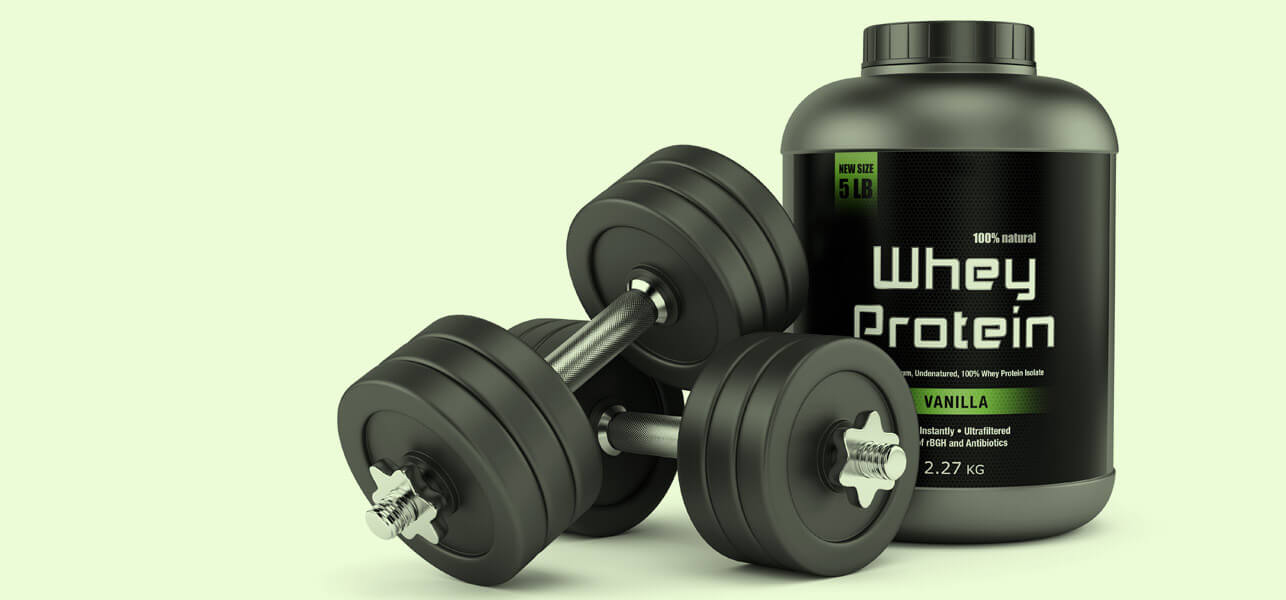
Strength training requires special equipment, trained instructors and regular visits to a gym. Once you join a gym, you are given a program and left to your own resources. If you want to avail of special supervision, you have to pay more and hire a personal trainer. You are also lured into buying expensive protein supplements.

The health industry is a multi-billion dollar industry worldwide. Health clubs have a major share in this market.

The financial reality of the exponential growth of the health club industry in India is an altogether separate issue and could be a matter of research. But the functional reality of health clubs is entirely different. It is all about selling memberships and earning incentives on it for the marketing youngsters, earning extra money by working as a personal trainer for the instructors and making money by selling expensive protein supplements for the management and, on the sly, for the trainers!

The social, intellectual and educational background, actual training and knowledge of the trainers in gyms in India is very questionable. And people put themselves and their bodies and health in the hands of these trainers! A large number of people are suffering from grave musculoskeletal injuries inflicted by these muscular trainers looking to make muscular men and women out of their pupils!

Forget all the rhetoric supporting strength training. The actual ground reality in India is quite different. You will never get the correct strength training that the researchers may be talking about!

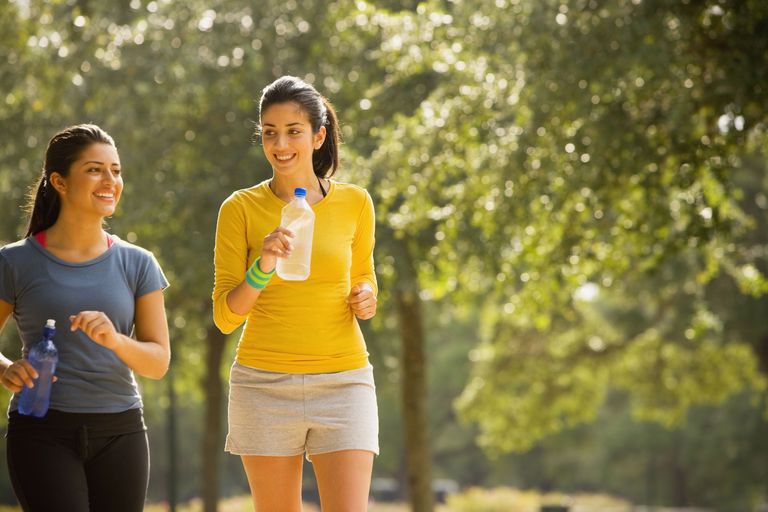
The best exercise for almost everyone, of all ages, in most circumstances, is walking!

You don’t need these so called trainers, no specialized equipment, no visits to the gyms.

And it is good enough to not only to lose weight effectively but also to get optimally healthy!

All you need is proper clothes and appropriate walking shoes. And the desire and motivation to walk!

And you don’t need special training or technique to walk.

What you need to do is to begin walking!

US Government guidelines recommend 150 minutes of ‘moderate’ exercise or 75 minutes of ‘vigorous’ exercise each week. Walking 100 steps a minute constitutes moderate exercise while 130 steps a minute constitutes vigorous exercise. In terms of distance covered per hour, 4.4 km/hour constitutes moderate exercise while 5.7 km/hour constitutes vigorous exercise.

Researchers have found that most people walk at over a hundred steps per minute when asked to walk at their comfortable pace, that is they already walk at moderate pace. So taking them a step ahead at a time, to 110 steps, 120 steps and 130 steps is not very difficult.

But the intensity of exercise varies with many factors, including height, weight, age, level of fitness, state of health etc. What would be vigorous exercise for a five feet tall person would be moderate exercise for a six feet tall person.

So the best plan is to begin walking regularly at your normal, comfortable pace and time and increase pace and time as you get fitter. In fact, your speed and distance increase automatically as your fitness improves!

Here is a note of caution, when you walk at 120 or 130 steps per minute, you are likely to suffer from knee pain, if the muscles around the knees are not strong enough. That is the reason why you ought to take up knee strengthening exercises along with your walks.

If you are very unfit, even walking on the spot at home (like marching) for as little as five minutes at a time is good enough. Do it twice a day, morning and evening and add one session of five minutes both times of the day every few days, as you get fitter and stronger. Gradually build it up to thirty minutes in the morning and thirty in the evening, either at home or outside. You gather pace as you get more and more fit. And it all happens naturally, you don’t have to do it intentionally.

Your energy levels and mood improve within days, and you start enjoying walking. You look healthier and your skin starts glowing with the new found health.

If you are already walking, walk for thirty to forty-five minutes twice a day consistently, it gives you better metabolic rate than walking once day.

Some people may find it tough to do thirty minutes at one go. They may even grab sessions of ten minutes whenever time permits, like during the lunch break. The idea is to keep walking as and when time permits, but with a definite timetable to suit your work schedule.

You can also use a motorised treadmill for walking.

Walking lowers your bad, low density lipid (LDL) cholesterol, which leads to heart disease, increases your good, high density lipid (HDL) cholesterol, which helps ward off heart disease, lowers blood pressure and blood sugar, protecting you from diabetes and heart diseases.

The benefits of brisk walking are the same as that of high intensity cardiovascular exercises like running or dancing or aerobics or cycling. Plus it ensures against injuries.

In short, walking is the magical exercise that can make you slim and healthy without the fear of injuries. And you must walk even if you are slim!

Benefits of healthy food, exercise and weight loss on blood pressure and the heart health:

Exercise alone has been shown to reduce systolic blood pressure by 3.5 and 2.0 mm respectively.

The systolic blood pressure has been shown to drop by 5.5 and the diastolic blood pressure by 3.0 mm Hg in people shifting from diets rich in high fat dairy and flesh foods and low in low fat dairy and fibre rich foods to low fat dairy (milk, curds, buttermilk) and fibre rich foods viz. vegetables and fruits and pulses and legumes.

Weight loss of every four kg has been shown to reduce systolic blood pressure by 6.25 mm and diastolic blood pressure by 4 mm.

The combined effects of exercise and weight loss has been shown to reduce systolic blood pressure by 12.5 mm and diastolic blood pressure by 8 mm in overweight or obese people.

Exercise has also been shown to improve ventricular mass and wall thickness, reduce arterial stiffness and improve endothelial function.

The endothelium produces small amounts of nitric oxide which keeps the endothelium smooth and slippery, allowing the blood to flow smoothly and preventing inflammation of the endothelium and clot formation by white cells and platelets, by preventing them from attaching to it. It also relaxes the smooth muscle cells of the middle layer of the arterial wall, below the endothelium, preventing their spasms and keeping arteries open.

In simple words, exercises keep our arteries healthy and protect us from heart attacks and strokes!

Sitting is the modern day smoking:

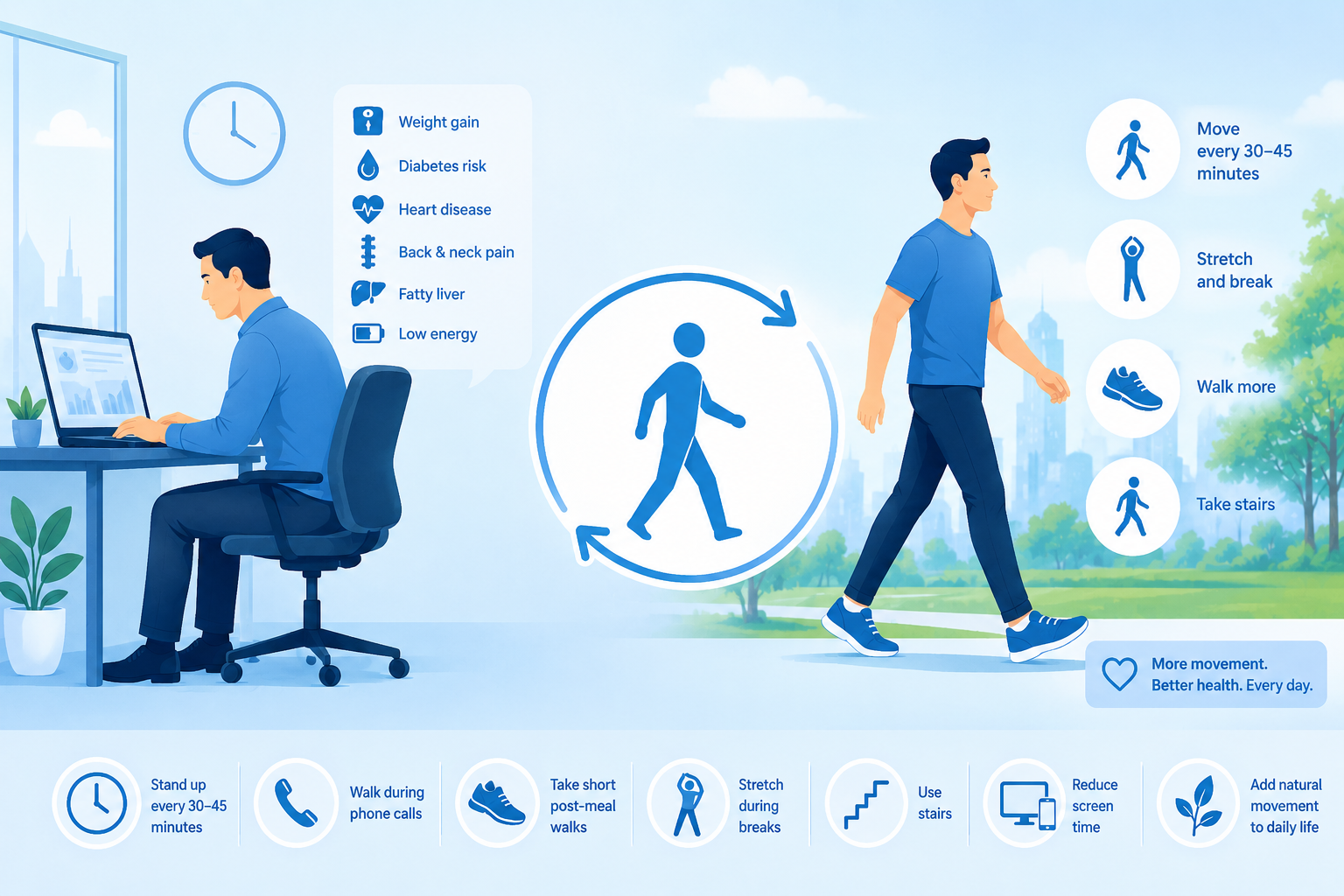
According to Dr. James A. Levine, a Mayo Clinic physician, research has linked sitting for long periods of time with a number of health concerns, including obesity and metabolic syndrome — a cluster of conditions that includes increased blood pressure, high blood sugar, excess body fat around the waist and abnormal cholesterol levels. Too much sitting also seems to increase the risk of death from cardiovascular disease and cancer.

To prevent the risk of premature death due to heart disease and some cancers, we must stop sitting long hours and make sure we move around all day and walk at least 20 minutes twice a day, more even better if we are overweight!

***

We have always helped people get slim and healthy by only simply nutritionally fine tuning their original food patterns and keeping the food plan as close to their original food habits as possible and planning exercise mostly in the form of walking regularly, which most people easily can, not only at our Slimming Centre in Pune, but also all over the world, on our ‘Distance Program’.

On such treatment people can get slim and healthy and overcome various diseases associated with obesity assuredly and happily, as their nutrition and fitness improve dramatically!

While most of the obesity clinics or weight loss treatments in Pune or anywhere else rely on low calorie diets in one form or another to treat obesity, such treatments cannot help people get and stay slim and healthy long term.

For more information read the article ‘Science Of Exercise’ on this website.

obesity clinic in pune

Health Problems Of The Young: Hypertension

Obesity And Hypertension Amongst Young People

In the two and half decades of my practice, I am coming across increasing number of young girls and boys getting overweight. The two illnesses that accompany weight gain in these young people are hypertension in both girls and boys and PCOD in girls and young women.We shall look at hypertension (high blood pressure) problem amongst young people in this post.

Recently a 14-year-old boy was brought to me by his parents. His blood pressure was 160/120 mm of Hg and weight was 76 kg at 5 ft 5 in height. The blood pressure was so high at his age that I advised his parents to get his colour doppler test done for renal artery stenosis (narrowing of the kidney artery). An urosurgeon losing weight with us also agreed that the test must be done. But the parents didn’t bother to do so. The boy did lose 9 or 10 kg and the blood pressure was more stable at 130/90 mm of Hg, which was still high for a youngster, at the end of three months. But then boy just stopped coming to me without any intimation. Our phone calls went unanswered. Believe me, this kind of negligence can also be fatal.

Prolonged hypertension causes inflammation in the endothelium, the inner lining, of the arterial walls damaging the arteries including those of various organs of the body.

This causes hardening and thickening of the arterial walls and the narrowing of their lumen. This is called atherosclerosis

Atherosclerosis can lead to heart attacks and strokes.

Raised blood pressure causes greater resistance to the flow of the blood through the arteries and forces the heart to pump harder to circulate blood through our body, causing hypertrophy (thickening) of the heart muscle. The thickened heart muscle struggles to pump blood efficiently and eventually fails to do so, causing heart failure.

It can also lead to weakening and bulging of the arteries. This is called aneurism and such aneurisms can rupture and cause heavy internal bleeding causing grave complications, including strokes.

Thickening and narrowing and aneurysms of the arteries in kidneys or eyes can damage these organs and can lead to renal failure and loss of vision.

Hypertension also contributes to development of the metabolic syndrome that leads to development of diabetes, heart attacks and strokes.

It can also cause circulatory problems and strokes in the brain.

Normally young people with consistent hypertension must be investigated by a physician to be absolutely sure that there is no underlying cause of the condition. Most will not have one and their blood pressure will lower itself on losing weight and a little counseling of the youngster and the parents. Most will not require medication. But all precautions must be exercised.

Many such youngsters and young men and women come to join me and learn about their hypertension for the first time. This is often the case in older people too.

If your young son or daughter is overweight or obese, and especially if he or she has a big tummy, please ensure that their blood pressure is checked seriously. They must, of course, slim down as their future health is seriously compromised otherwise. If your family has a history of hypertension, diabetes and heart disease, these young people must be examined by a good physician. Please do not overlook these precautions.

This is to be remembered especially as many young people go to health clubs where they are put through heavy weight training and, in some places, mindless floor exercises. A young person, or a person of any age for that matter, with known or unknown hypertension, may suffer some serious complication when on such programs.

In reality, everyone planning to go to a gym must visit a doctor before joining, keeping it in mind that gyms do not have the skill to handle your health problems. They only provide facilities for you to use. Taking care of yourself at a gym or a health club is solely your responsibility. Most health clubs do take a written undertaking from you, absolving themselves of any responsibilities for any accident or mishap to your health.

So take good care of yourself!

Also read ‘Health Problems Of The Young: PCOD‘ on this website.

Obesity Treatment in Pune

Health Problems Of The Young: PCOS Or PMOS!

PCOS, Or (As Newly Called) PMOS And Visceral Fat and the Hidden Hormone Imbalance!

Over the past few decades, doctors have been observing a worrying trend. Increasing numbers of young women — and even teenage girls — are developing a similar cluster of health problems.

Their menstrual periods become irregular. Weight gain occurs easily, especially around the abdomen. Acne persists despite treatment. Some develop excessive facial hair, while others later face difficulty in conceiving.

In many such cases, the underlying problem turns out to be a hormonal and metabolic disorder traditionally known as Polycystic Ovary Syndrome (PCOS).

***

PCOS Is Now Increasingly Being Called PMOS

An important recent development is that international experts have begun replacing the term PCOS with PMOS — Polyendocrine Metabolic Ovarian Syndrome.

The newer name reflects modern scientific understanding more accurately. Many women with the condition do not actually have ovarian cysts, while the disorder affects not only the ovaries, but also metabolism, insulin regulation, hormones, body fat distribution, emotional disturbances, skin, fertility and long-term cardiovascular health.

Many people are also familiar with the older term PCOD (Polycystic Ovarian Disease). Modern medical understanding now recognises that PCOD and PCOS largely refer to the same condition, with PCOS — and increasingly PMOS — being the preferred terminology.

Most importantly, PMOS is not merely an ovarian disorder. It is a complex condition involving the body’s metabolic and hormonal systems.

***

What Happens in PMOS

In a normal menstrual cycle, a follicle within the ovary matures every month and releases an egg during ovulation.

In PMOS, this delicate hormonal balance becomes disturbed. Ovulation may not occur regularly, and multiple small immature follicles may accumulate within the ovaries. At the same time, the ovaries often produce increased amounts of male hormones called androgens.

These hormonal changes can lead to:

irregular or infrequent menstrual periods

acne and oily skin

excess facial or body hair

thinning of scalp hair

affection of emotional wellbeing, anxiety, low self-esteem, mood changes and depression, and deep in energy levels

difficulty in conceiving

However, the ovaries themselves are often only one part of a larger metabolic disturbance.

***

The Hidden Driver: Insulin Resistance

One of the most important factors underlying PMOS is insulin resistance.

Insulin is the hormone that helps glucose enter the body’s cells to produce energy. When the cells become less responsive to insulin, the pancreas compensates by producing larger amounts of insulin.

Chronically elevated insulin levels stimulate the ovaries to produce excess androgens. These hormones interfere with normal ovulation and contribute to the hormonal imbalance characteristic of PMOS.

Thus, insulin resistance forms an important link between metabolism and reproductive health.

***

The Role of Visceral Fat

Another major factor aggravating PMOS is visceral fat — the fat that accumulates deep within the abdomen around the internal organs.

Unlike the fat beneath the skin, visceral fat is metabolically active. It promotes insulin resistance, chronic low-grade inflammation and hormonal disturbances.

As visceral fat increases, insulin resistance worsens and insulin levels rise further. This stimulates greater androgen production and aggravates PMOS symptoms.

The result is a self-reinforcing cycle:

Visceral fat → insulin resistance → high insulin → excess androgens → worsening PMOS.

This is one reason why many women with PMOS develop central or abdominal obesity.

***

Why PMOS Is Also a Metabolic Disorder

For many years, PCOS was considered mainly a reproductive disorder. Research over the past two decades has shown that PMOS is also closely linked with metabolic health.

Women with PMOS have a higher risk of developing conditions such as:

Type 2 Diabetes

Metabolic Syndrome

Hypertension

Nonalcoholic Fatty Liver Disease

These risks are largely related to insulin resistance and abdominal fat accumulation.

Recognising PMOS early therefore provides an opportunity to prevent many long-term health problems.

Why Lifestyle Changes Work So Well

One encouraging aspect of PMOS is that lifestyle changes can significantly improve the condition.

Even a modest reduction in body weight — about 5 to 10 percent — can help improve insulin sensitivity, restore hormonal balance and regulate menstrual cycles.

Regular physical activity helps the body use insulin more efficiently and reduces visceral fat. Balanced nutrition that avoids excessive refined carbohydrates can also help reduce large spikes in insulin levels.

These measures not only improve symptoms but also help protect long-term metabolic health.

***

Warning Signs That Should Not Be Ignored

Certain symptoms in young women should prompt medical evaluation:

irregular or absent menstrual periods

persistent acne

unexplained weight gain

excess facial or body hair

difficulty in conceiving

These may be early indicators of PMOS.

Early diagnosis and appropriate lifestyle measures can dramatically improve the condition and reduce future complications.

***

Why Abdominal Fat Is Particularly Harmful

Excess abdominal fat is not merely a cosmetic concern. Visceral fat actively contributes to insulin resistance and hormonal imbalance.

In young women, this can accelerate the development and progression of PMOS. Reducing abdominal fat through regular physical activity and healthy eating habits therefore plays a crucial role in controlling the condition.

***

A Final Word

PMOS — earlier widely known as PCOS — has quietly become one of the most common hormonal and metabolic disorders affecting young women today.

Fortunately, it is also a condition in which early awareness and healthy lifestyle measures can make a major difference.

By addressing insulin resistance, reducing visceral fat and maintaining healthy habits, many women with PMOS can improve metabolic balance, support reproductive health and protect their long-term wellbeing.

***

We have inspired and helped a large number of young ladies adapt healthy, balanced nutrition and exercise as a lifestyle and lose weight to overcome their obesity, PCOS or PMOS and infertility not only in our Slimming Centre in Pune, but also all over the world, on our ‘Distance Program’.

While most of the obesity clinics not only in Pune but also everywhere else rely on low calorie diets in one form or another to treat obesity, absolutely balanced nutrition and exercise even as simple as walking have always been at the core of our Weight Loss Treatment in Pune and all over the world.

***

Related articles:

‘Overcoming PCOS And Infertility: The Role Of Weight Loss In Fertility Treatment’

‘The Relationship Between Visceral Fat And PCOS!’

Save Your Knees

Your knees are precious, save them!

Knee pain is a constant companion of overweight people.

The most frequent pain overweight people came to me with, in the first half of my practice, were low backache and pain in the neck. Knee pain had relatively insignificant presence in the list of complaints. Over the last decade knee pain has progressively become the most common complaint, relegating the other two to distant second and third positions!

Today more and more people are developing knee problems and at a much younger age. Osteoarthritis is a common ailment, especially in obese people. Ligament and cartilage injuries are also frequently seen.

To top this, more and more people are reporting accidental knee injuries. The commonest causes of such injuries are two wheeler accidents and sports injuries, especially common amongst football players.

These are the reasons why knee surgeries have become very common. Knee replacement surgeries, almost unheard of a decade ago, are commonplace today.

Many of the knee problems can be prevented by taking simple precautions.

Keeping your weight down is obviously the basic requirement of maintaining your knee health.

Every 4 kg extra weight puts nearly 20 kg of extra load on your lower body joints and wears them down that much faster, causing arthritis.

Extra fat also triggers release of some harmful chemicals in the body, those damage various body tissues including joints, causing arthritis.

Losing those 4 kg can ease that much load on those joints and slows down the progression of arthritis. Keeping them off may even prevent it long term.

Additionally, you must prevent activities that cause undue wear and tear of knee joints. Activities like mindlessly excessive walking, jogging, running, hill climbing and sports like badminton may lead to such wear and tear.

These are all excellent cardiovascular activities and everyone must take up such activities to keep themselves heart healthy. What must be avoided is, overdoing them.

Take up such activities moderately and also ensure that you strengthen your knees with proper knee exercises while you take up the above activities as workout options.

You will have to learn knee exercises, which are easy enough to perform within a few minutes at home, without any special equipment. Start with these exercises when you are young and have healthy knees, don’t wait to develop knee trouble to start them. Water-walking (in chest high water) is also an excellent knee exercise, even for those with arthritis of the knees.

You can consult your own doctor or visit us to learn these exercises.

Your knees are precious, save them for the old age!

Also read the article ‘Losing Four Kg Extra weight Improves Health Immeasurably!‘ on this website.

Obesity Treatment in Pune

Preventing Diabetes

Preventing Diabetes

Diabetes is a grave metabolic disorder and damages small (microangiopathic damage) and large (macroangiopathic damage) blood vessels.

It damages multiple organs, causing musculoskeletal and movement disorders, microangiopathic complications like diabetic neuropathy, retinopathy, nephropathy, macroangiopathic complications like ischaemic heart disease, cerebrovascular disease and peripheral vascular disease.

Loss of vision, renal failure, heart attacks, strokes, foot disease including gangrene are common complications of diabetes.

In short, it is a fatal disease that we can ill afford to ignore whether we are already diabetic or are predisposed to it or lead a sedentary lifestyle, eat bad and are overweight. Prolonged stress and prolonged intake of some medications too predispose us to diabetes.

And the longer the duration of the disease, graver are the complications. So you must be particularly watchful if you have caught the disease in young age.

Young ladies who suffer from diabetes during pregnancy and the illnesses doesn’t reverse post pregnancy are at a higher risk of developing complications in later life.

Diabetes is one disease that one must leave no stone unturned, to prevent.

No effort should be spared to prevent it’s onset if you are threatened with it.

Once it sets in, you are left fighting it for a lifetime and believe me, it is a no holds barred fight, and often an ugly one.

And there can only be one winner if you don’t take utmost care!

It is also a very expensive fight!

So fight to prevent it all costs!

India is home to the largest population of diabetics. In that sense, we are the world capital of this disease.

The reasons for this are numerous. Being genetically more prone to diabetes and heart disease complicates matters.

Lack of awareness about the predisposing factors of the disease, rising affluence, physical inactivity, fat and sugar rich high calorie food, intense competition, stress, unending ambitions and desires, lack of satisfaction and mental peace and rising obesity are even more important factors.

If you confirm to the above traits, if you have a family history of diabetes, if your waist is over 80 cm (for ladies) or 90 cm (for men), if you are over 35 years of age, you are prone to catch diabetes.

The risk is greater if both of the parents are diabetics if your waist is over 90 cm (women) or 100 cm (men) and you are over 50 years of age.

You must screen yourself by a general check up and check up your blood sugar two hours after consuming 75 gm glucose once every year if you are over 35, if you have the above risk factors, or if you are over 50.

You can protect yourself from diabetes by taking following measures:

Eat healthy, simple, nutritious, low calorie food rich in vegetables and fruits.

Eat fatty and sweet food minimally.

Walk briskly for at least half an hour every day.

Lose weight.

Make room for adequate rest and recreation in your daily routine.

Lead a happy, peaceful and contented life.

Screen yourself for diabetes every year.

Diabetics may not have any symptoms in the early stages. But left unchecked, it can damage various organs including the eyes, the kidneys, and the heart. It is a life-threatening disease. So take care!

***

We have always helped people get slim and healthy by only simply nutritionally fine tuning their original food patterns and keeping the food plan as close to their original food habits as possible and planning exercise mostly in the form of walking regularly, which most people easily can, not only at our Slimming Centre in Pune, but also all over the world, on our ‘Distance Program’.

On such treatment people can get slim and healthy and overcome various diseases associated with obesity including hypertension, diabetes, heart disease, assuredly and happily, as their nutrition and fitness improve dramatically!

While most of the obesity clinics or weight loss treatments in Pune or anywhere else rely on low calorie diets in one form or another to treat obesity, such treatments cannot help people get slim and healthy long term, much less overcome diseases associated with obesity.

***

Also read the Latest Post ‘Preventing Hypertension‘ on this website.

Obesity And Infertility

Getting Slim, Healthy, Happy And Positive To Overcome Infertility!

It is a well known fact that obesity is closely associated with or is one of the major causes of PCOD, miscarriages and primary and secondary infertility.

Obesity is known to cause menstrual irregularities, poor or complete absence of ovulation, lowered chances of conception, increased chances of miscarriages, increased risk of complications during pregnancy and child birth.

Research has proved that even five per cent drop in body weight of obese young women has helped them drop an average of eleven per cent of their abdominal fat, reduced their waist circumference measurements by four cm, increased their insulin sensitivity by an amazing seventy one per cent, improved the hormonal environment in their bodies, restored their regular menstruation and ovulation and improved their pregnancy rates.

In short, it means that many a young women are deprived of natural motherhood only because they are overweight or obese. Losing a small amount of weight, as little as five per cent, will help their periods become regular, ovulation to improve, dramatically improve their chances of conceiving naturally, having a safe pregnancy without miscarriages and a safe delivery and having a healthy child.

In spite of this, these ladies are first put through complex and expensive fertility therapies rather than asking them to lose weight. Only after all the fertility treatments are exhausted, they are advised to lose weight, which should have been done before fertility treatments were unleashed on them.

That is why, in actual practice, when such a young woman begins to start eating healthy and exercise, she conceives quickly even as she loses five to seven kg weight, even when she needs to lose twenty or thirty kg to slim down completely.

So if you are suffering from obesity, PCOD, miscarriages and primary or secondary infertility, lose weight by eating healthy, taking up exercise even as simple as walking and becoming happy and positive. The chances are very high that you will conceive naturally, stop having  miscarriages, have a safe pregnancy and a healthy baby. Without needing any fertility treatments!

Getting slim, healthy, happy and positive is a much surer, healthier and safer way of overcoming obesity related infertility than taking fertility treatments. Doing so will also protect the expectant mother from developing hypertension, toxaemia of pregnancy and diabetes during pregnancy.

In fact, every young woman planning pregnancy should get slim, healthy, happy and positive before she gets pregnant. This will ensure a safe pregnancy and a happy and healthy duo of a mother and a child!

***

We have inspired and helped a large number of young ladies adapt healthy, balanced nutrition and exercise as a lifestyle and lose weight to overcome their obesity, PCOS or PCOD and infertility not only in our Slimming Centre in Pune, but also all over the world, on our ‘Distance Program’.

While most of the obesity clinics not only in Pune but also everywhere else rely on low calorie diets in one form or another to treat obesity, absolutely balanced nutrition and exercise even as simple as walking have always been at the core of our Weight Loss Treatment in Pune and all over the world.

Also read the articles ‘Health Problems Of The Young: PCOD‘ and ‘Slim Women Are Healthy Women‘ on this website.

What You Must Know About Cholesterol!

Vital Information About Cholesterol!

Cholesterol is a waxy, sticky, fat like substance produced in the liver and is also present in our food.

Most people only know that it causes heart disease, few know that it is an essential constituent of our body and has a vital role to play in our health.

Functions of Cholesterol:

Cholesterol provides structural support to every cell of our body as it is an essential constituent of the cell membrane and plays a significant role in deciding what goes in or out of the cell membrane.

It also helps form the protective myelin sheath of our nerve cells.

It is essential for the synthesis of steroid and sex hormones and for the formation of Vitamin D under the skin when exposed to sunlight.

It is also essential for the formation of bile which is, in turn, essential for digestion of fats.

LDL and HDL Cholesterol:

Cholesterol is insoluble in water. So it has to be transported in blood in complex fat and protein molecules called lipoproteins. Cholesterol moves through our body inside these lipoproteins.

LDL or low density lipoproteins transport most of the cholesterol in the plasma, from the liver to the peripheral tissues where it is used for building the cell membranes of every cell of the body and to the adrenal glands and gonads where it is used for synthesising steroids and sex hormones.

Excess build up of low density lipid cholesterol in the blood can enter the arterial walls causing plaque formation and atherosclerosis, leading to narrowing of the arterial walls causing ischaemia or reduced blood supply to the heart or any tissue of the body and could lead to myocardial infarction or heart attack and strokes.

And if a plaque breaks away, it could block the arteries of the heart or the brain causing heart attacks or stokes.

HDL lipoproteins transport cholesterol from the tissues and the arteries to the liver which excretes it from the body, protecting it from heart disease and strokes.

This is called the reverse cholesterol transport system.

This is why the HDL cholesterol is considered the good and the LDL cholesterol the bad cholesterol.

Our liver is capable of providing us all the cholesterol we need. We don’t need to consume it in food.

Only animal sources of foods such as flesh, eggs, shell fish, whole milk, cream, ghee, butter, cheese and margarine have cholesterol. No food of vegetable source has cholesterol.

Cholesterol And Heart Health

Excess cholesterol in the blood is bad for the heart.

The HDL cholesterol is the healthy cholesterol, while the LDL and the VLDL cholesterol are bad for the health of the heart.

HDL cleanses our arteries by transporting cholesterol from the arteries to liver and cleansing the arteries, thus protecting us from coronary heart disease.

The latter two transport cholesterol from liver to the arteries, where it sticks the walls of the arteries, which become hardened and lose their elasticity, causing atherosclerosis and clogging of the arteries leading to coronary heart disease.

Saturated fats in our food are actually more responsible for raised levels of cholesterol in our body than dietary cholesterol. Animal products including whole milk, eggs and flesh and vegetable fats which are solid at room temperature (e.g. palm oil, coconut oil) are examples of saturated fats.

This means vegetarian people too are going to suffer from raised levels of cholesterol, if they eat fatty and sweet foods in excess.

Genetically too some people are more prone to have high levels of cholesterol as their livers manufacture excess cholesterol.

Trans-fatty acids also are equally to blame for raised levels of cholesterol. In fact they are rated as worse than cholesterol for the health of the heart. Hydrogenated vegetable oils and oils in which food stuffs are fried over and over, again and again, develop trans-fatty acids. Many bakery products and ready to eat snacks are made using hydrogenated vegetable oils as it gives them longer shelf life. Most people who never use hydrogenated oils at home, eat these products without realising that they are consuming hydrogenated oils.

White Meat And Red Meat

The thinking till recently has been that it was red meat that was mainly responsible for raising your blood cholesterol levels and was dangerous to the health of our heart and that it was safe to eat white meats.

But according to study published in the ‘American Journal Of Clinical Nutrition’ the researchers of the ‘University Of California’ have found that white meat can also raise your blood cholesterol and is as bad as red meat for the health of our heart.

So stop eating white meat blissfully imagining that it is heart healthy!

Dietary Fibre and cholesterol:

Soluble fibre dissolves in water, forming a gel like substance that absorbs cholesterol and sugars and clears them out of our bowels, reducing their absorption in our blood stream, thus helping lower blood cholesterol, especially LDL, the bad cholesterol, triglycerides and sugar. Thus it helps lower the risk of diabetes, heart disease and strokes.

Soluble fibre sources are oats, pulses and legumes, apples, citrus fruits, carrots, barley and psyllium (isabgol).

Abdominal obesity and cholesterol:

Abdominal obesity leads to raised levels of blood pressure, blood sugar, total cholesterol, LDL cholesterol and triglycerides and lowers the levels of HDL cholesterol.

This is called the Metabolic Syndrome.

It leads to heart disease and strokes.

Effect Of Smoking On Cholesterol:

Tobacco smoke damages the endothelial lining of the arteries and causes inflammation, making it easier for the white cells and platelets to clump together and stick to the damaged endothelium and cause clot formation.

Burning of tobacco releases fumes which include many toxic substances including acrolein. Acrolein renders the bad cholesterol, the LDL cholesterol more sticky and it sticks more easily to the endothelium of the arteries and white blood cells and other substances stick to it and plaques are formed in the arteries narrowing them. It also interferes with the ability of HDL cholesterol to remove the plaque build up and keep the arteries blockage free.

Thus smoking causes damage and inflammation to the endothelium of the arteries leading to atherosclerosis and also damages the LDL and HDL cholesterols preventing them from functioning properly and leads to heart disease and strokes.

Effect Of Alcohol On Cholesterol:

Drinking alcohol raises the levels of the triglycerides in your blood and build up of triglycerides in liver leads to fat build up in the liver and leads to fatty liver disease. Damaged liver cannot remove the cholesterol from your blood efficiently and this leads to raised blood levels of cholesterol and eventually to heart disease and strokes.

Normal Levels Of Cholesterol

Ideal levels of cholesterol and it’s components are:

Cholesterol below 200 mg/dL

HDL cholesterol above 60 mg/dL

LDL Cholesterol below 100mg/dL. Some physicians want it below 70mg/dL

VLDL Cholesterol below 30 mg/ dL

Triglycerides below 150 mg/dL

Normal range is always provided by every laboratory in its report.

Dietary Cholesterol Guidelines

Until 2013 it was generally accepted that dietary consumption of cholesterol should not exceed 300 mg daily for people who are not at a risk of developing coronary heart disease and 200 mg daily for people who are at a risk of developing coronary heart disease.

But research across the world could not establish a direct link between dietary cholesterol and raised blood cholesterol and LDL cholesterol and cardiovascular disease risk and hence the contemporary guidelines for coronary heart disease risk reduction from the American Heart Association (AHA) and American College of Cardiology (ACC) and the 2015–2020 Dietary Guidelines for Americans (DGA) have not issued explicit guidelines for consumption of dietary cholesterol.

But most of the high cholesterol foods, viz. full cream milk and animal flesh are also high in saturated fats.

So eating these high cholesterol foods also adds excess saturated fats to your diet.

Also the two diets highly recommended for prevention of heart disease, the Mediterranean Diet and the DASH Diet are both low cholesterol diets.

So even if there is insufficient evidence that dietary cholesterol raises blood cholesterol significantly, it is prudent to keep your dietary cholesterol consumption low.

A whole egg provides 210 mg cholesterol, goat meat provides 75 mg per 100 gm, chicken 85 mg, lamb, pork and beef between 85 to 105 mg, sea food provides between 50 to 100 mg cholesterol per 100 gm. Liver of the above animals provides the highest levels, between 350 to 650 mg per 100gm!

Prawns and other shell fish may contain upto 190 mg cholesterol per 100 gm, but it helps lower LDL cholesterol and increase HDL cholesterol and thus is heart healthy according to American Journal Of Clinical Nutrition.

Sea fish including shell fish are low in saturated fatty acids and high in sea source omega 3 polyunsaturated fatty acids. Prawns are low calorie and high in the potent antioxidant astaxanthin, a carotenoid. Hence eating fish and prawns in moderation is healthy.

Keeping Your Cholesterol Levels Healthy:

Lead a healthy lifestyle.

Eat healthy, focussing on skimmed milk and dairy products, whole grain cereals and pulses, ample vegetables and fresh fruits on daily basis and have fatty fish rich in omega-3 fatty acids twice a week.

Most Indians have no problems consuming whole grain cereals, pulses and vegetables as that is what our food basically consists of. What we most often may not consume adequately are skim milk and fruits. Ideally we should have three helpings of both!

Keep consumption of saturated fats to the minimum and trans-fats out of your food. Eat only lean meat, that too in moderate amounts and frequency. Have a whole egg no more than four days week, even if your cholesterol is fully normal.

Make sure to include oats, pulses and legumes, apples, citrus fruits, carrots in your regular diet to consume adequate soluble fibre.

Exercise regularly and be physically active. Even a half hour brisk walk, spread over the whole day, will be invaluable, half an hour twice a day will be wonderful even for losing weight!

Lose weight and get rid of your paunch.

Stop smoking.

Drink alcohol minimally or better quit drinking.

Be mentally happy and peaceful.

In short to keep your cholesterol levels healthy, you do exactly what is needed to be done to be slim and heart healthy!

Read the article ‘Basics Of Nutrition’ on this website for more information.

Boosting Your HDL Cholesterol

Many people have normal total cholesterol but low HDL cholesterol, the cholesterol that cleanses your arteries by removing cholesterol build up within them and prevents coronary artery disease.

The following six steps will help boost your HDL cholesterol levels.

1. Get regular exercise. Regular walks, even half an hour every day, can give you much better heart health than being couch potato!

2. Lose weight. Even four kg loss can dramatically lower your bad cholesterol (total cholesterol and LDL cholesterol) and boost your HDL cholesterol.

3. Eat healthy fats viz. omega 3 rich sea fish, cold pressed cooking oils like groundnut oil, sesame oil and olive oil and walnuts and flaxseeds. Reduce unhealthy fats viz. saturated fats coming from milk viz. cream, butter, ghee, cheese, full cream paneer and fatty meats. Stop consuming foods made from hydrogenated oils, they are loaded with trans fatty acids which can cause more damage to your coronary arteries than cholesterol.

4. Stop smoking.

5. Reduce your alcohol consumption.

6. Consult your physician.

Also read the articles ‘Basics Of Nutrition‘ and ‘The Good And The Bad Fats‘ on this website.

Slim Women Are Healthy Women!

Obesity Attracts Numerous Illnesses, Slimming Reverses Them!

Today more and more women of all ages are becoming overweight. Girls are putting on weight because of sedentary lifestyle, fast food and PCOD, while young women are doing so also due to oral contraceptives and around pregnancy and after child birth. Older women experience middle aged spread and later put on more weight during menopause. In addition, many girls and women are suffering from hypothyroidism, which contributes to weight gain by lowering the metabolic rate.

Many of these overweight girls and young women are suffering from PCOS, PCOD, difficult conception, repeated miscarriages and infertility and older women are falling prey to diseases like arthritis, osteoporosis and hypothyroidism, high blood pressure, diabetes and heart disease! Menstrual disorders are also more common in the obese women.

Obese ladies have excess fat in their bodies. Excess fat leads to raised levels of oestrogen which can lead to the development of fibroids in the uterus. Fibroids can cause pain, heavy bleeding, infertility and miscarriages, among other symptoms.

And the age of catching these illnesses is shrinking all the time.

The number of young women undergoing treatments for PCOS and PCOD and infertility is rising constantly. The number of hysterectomies (surgical removal of uterus) in older women is ever increasing. So are total knee replacement surgeries.

Obese women are also more prone to multiple cancers, including breast, gastrointestinal, uterine and ovarian cancers.

Losing weight helps reverse PCOS and PCOD in most girls, most start getting periods regularly.

Many obese women having excessive bleeding (menorrhagia) find that the problem is taken care of by losing weight, without any treatment. Many hysterectomies can be avoided if these obese ladies lose weight!

Most obese young women, in whom fertility treatment had failed repeatedly, conceive naturally, stop having miscarriages and complications during pregnancies, on losing weight, thus realizing their dreams of motherhood!

If obese young ladies lose weight early, they can prevent damaging their knees and thus osteoarthritis! They will also protect themselves from a backache.

Losing weight helps correct blood pressure, blood sugar and lipid levels (triglycerides, total cholesterol, HDL and LDL cholesterol). Many will need lower doses or even get rid of their hypertension, diabetes, cholesterol and hypothyroidism medication. Thus losing weight will prevent, reverse or control these disease and also heart disease in many obese ladies, as indeed in men!

Thus it is easy to understand why slim women are healthy women!

***

We have inspired and helped a large number of young ladies adapt healthy, balanced nutrition and exercise as a lifestyle and lose weight to overcome their obesity, PCOS or PCOD and infertility not only in our Slimming Centre in Pune, but also all over the world, on our ‘Distance Program’.

While most of the obesity clinics not only in Pune but also everywhere else rely on low calorie diets in one form or another to treat obesity, absolutely balanced nutrition and exercise even as simple as walking have always been at the core of our Weight Loss Treatment in Pune and all over the world.

***

Read the article ‘Diseases Associated With Obesity‘, ‘Health Problems Of The Young: PCOD‘ and ‘Obesity And Infertility‘ on this website for more information.

Healthy Fruits For Diabetics And Over Weight People!

Selecting The Right Fruits For People With Diabetes And Over Weight!

Many people with diabetes—or those dealing with overweight and obesity—feel confused about fruit. A common myth is that fruits must be restricted or even avoided altogether. That’s not only unnecessary, it can also mean missing out on important nutrients.

Let’s simplify this.

Are Fruits Safe? Yes—With Context

Fruits are whole, nutrient-dense foods. They provide:

Natural carbohydrates (mainly fructose and glucose)

Dietary fibre

Vitamins (A, C, B-complex, folate, E)

Minerals (potassium, magnesium, etc.)

Antioxidants (polyphenols, flavonoids, carotenoids)

Unlike refined sugar, fruits come packaged with fibre and bioactive compounds that slow digestion and absorption. This leads to a more gradual rise in blood glucose, rather than sharp spikes.

So the question is not “Can I eat fruits?”
It’s “Which fruits, how much, and when?”

Understanding Glycaemic Impact (Beyond Just GI)

Earlier, glycaemic index (GI) was used heavily. While useful, it’s now understood that:

Glycaemic load (GL) and portion size matter more in real life

Whole fruit behaves very differently from fruit juice

Fibre content significantly alters glucose response

Most whole fruits have a low to moderate glycaemic impact, especially when eaten in sensible portions.

***

A Practical Way to Classify Fruits

Instead of rigid rules, think in terms of calorie density and carbohydrate load per 100 g.

1. Lower-Calorie, High-Fibre Fruits (Frequent Use)

These are excellent choices for both diabetes and weight control:

Berries (strawberries, blueberries, mulberries, blackberries)

Papaya

Watermelon

Muskmelon

Approximate calories: 30–45 kcal/100 g

These can be consumed more freely (within total daily intake), especially as snacks.

2. Moderate-Calorie Fruits (Daily Use in Portions)

Apple

Pear

Guava

Orange, sweet lime

Pomegranate

Peach

Approximate calories: 50–70 kcal/100 g

Ideal for 1–2 servings per day, spaced out.

3. Higher-Calorie, Higher-Carbohydrate Fruits (Mindful Portions)

Banana

Mango

Chikoo (sapota)

Grapes

Custard apple

Lychee

Approximate calories: 70–100 kcal/100 g

These are not “forbidden”—just portion-sensitive.

***

Important Perspective on Carbohydrates

Even the higher-calorie fruits contain ~20–23% carbohydrates, which is:

Much lower than refined cereals like rice (~80%)

Lower than wheat (~70%)

And unlike refined carbs, fruits bring fibre, micronutrients, and antioxidants.

So eliminating them completely doesn’t make metabolic sense.

Practical Guidelines

For weight-conscious individuals:

2 servings from low/moderate category

0–1 serving from higher-calorie fruits

For people with diabetes or insulin resistance:

Prefer low and moderate categories

Include higher-calorie fruits occasionally, in small portions

Pair fruit with nuts or protein if needed to reduce glucose spikes

A Few Modern Clarifications

Fruit juice ≠ whole fruit (avoid routine use)

Timing matters less than total daily intake and portion size

Individual glucose response varies—monitor if needed

Diversity is beneficial—rotate fruits rather than repeating one

The Bottom Line

Fruits should not be feared or eliminated.

Even higher-calorie fruits do not need to be banished. With the right quantity and frequency, they can be part of a healthy diet for both diabetes and weight management.

The goal is balance—not restriction.

Fruits Calorie Table

Fruits (100 grams)Calorie Content
Apple56
Avocado Pear160
Banana95
Chikoo94
Cherries70
Dates281
Grapes 70
Guava66
Figs74
Lychees80
Mangoes85
Musk Melon34
Orange 53
Papaya47
Peach50
Pears51
Pineapple46
Plums56
Pomegranate54
Strawberries32
Watermelon26

Read the Latest Post ‘Magical Health Benefits Of Fruits‘ for nutritional information about fruits.