Uncategorized

Staying Slim And Healthy Through Pregnancy!

Staying Slim And Healthy Through Pregnancy!

Staying Slim And Healthy Through Motherhood!

When I started my Slimming Centre in Pune, over three decades ago, the goal was not only to help people lose weight and stay slim and healthy for the lifetime but also to help people prevent putting on weight unnecessarily, during different stages of their lives.

After all, staying slim is so much easier than losing weight, even if it has to be done in an excellent slimming centre.

The commonest period when most ladies gain weight unnecessarily is around motherhood. If they can be educated about the basic science of how much weight they need to gain during pregnancy, how much extra and what food they need to eat and how they can exercise during this period, most ladies will stay slim and healthy through pregnancy and will not need to lose weight in a slimming centre.

A slim and healthy Indian young woman needs to gain around 9 to 10 kg during pregnancy, or even less if she is a little overweight.

This weight gain includes about 1 kg each of placenta, amniotic fluid, increased blood volume, increased breast volume, a couple of kg of reserve store of fat and between 2.7 to 4 kg being the weight of the baby.

So immediately after the delivery, the new mother has a weight loss of about 5 or 6 kg, as the baby, the placenta and the amniotic fluid exit her body.

So all the extra weight she needs to lose at the end of the pregnancy is only about 4 to 5 kg, which she can lose easily while nursing the baby and stay slim, without going to a slimming centre for any big weight loss!

For a slim and healthy, young Indian lady, the extra energy required during pregnancy are about 150 kcal in the first three months of pregnancy and about 300 kcal in the later period of pregnancy.

That means increasing only a small portions of cereals (chapati and rice) and pulses and legumes (dals and beans – ‘usal’), fresh vegetables and fruits and extra (3 or 4 cups) milk, and consumption of moderate amounts of egg and fish and meat, in non-vegetarian ladies easily meets the increased need of calories, proteins, vitamins and minerals, during pregnancy.

Along with this the young woman must also learn and take up antenatal exercises and walk regularly.

If every expectant mother follows these easy guidelines, she will stay slim and healthy through pregnancy, without having to lose any weight at all, after the delivery!

***

We have planned the nutrition and exercise and helped a large number of young ladies to stay healthy and fit and gain just the right amount of weight during pregnancy and slim down perfectly during lactation, not only in our Slimming Centre in Pune, but also all over the world, on our ‘Distance Program’.

While most of the obesity clinics or weight loss treatments in Pune or anywhere else rely on low calorie diets in one form or another to treat obesity, such treatment cannot help young mothers lose weight while still continuing to breast feed their babies successfully.

Also, read the articles ‘Slim Women Are Healthy Women!’ and ‘Staying Slim And Healthy Post Pregnancy!’ on this website.

Weight Loss Program in Pune

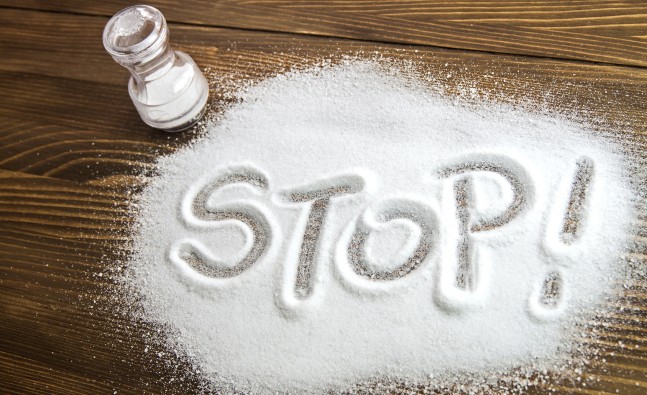
How Much Salt Do I Need?

Vital Information About Our Salt Requirement

Sodium is a mineral that is essential to our health. Our body needs it to regulate our body water balance, blood pressure and blood volume and also for proper functioning of our muscles and nerves.

The largest source of sodium in our food is table salt. Almost all components of our food, including milk and water, naturally contain sodium.

All the fried snacks (‘farsan’ or ‘namkin’) are high in sodium.

All fast foods like ‘wadas’, burgers, pizzas are high in sodium.

Indian foods like pickles, chatnis and papad are all high sodium foods.

Dried fish including prawns available in India are very high in salt content.

All sauces like Worcestershire sauce, soya sauce and garlic sauce are high in sodium content.

Processed meats like salami, bacon, sausage and ham, and canned soups and vegetables are high in sodium.

Many people imagine that rock salt or ‘saindhav’ is healthy. It isn’t. It contains as much sodium as table salt. So don’t replace table salt with saindhav imagining it to be the healthier option. And since it tastes less salty, most people end up using it more than table salt and in fact get more sodium than when they use table salt.

‘Chat masala’ is also a source of sodium. It is extremely unwise to use it liberally. In fact, best is to avoid it altogether.

The glamorous super chefs on television have popularized sprinkling of ample table salt and also chat masala on their cookery shows with such panache, such flamboyance that you are tempted to imitate them!

So you can see that sodium is easy to get amply and difficult to restrict.

The surest way to go overboard with our capacity to acquire a bad habit like overeating or over-drinking is to recklessly persist with it. Same holds true to eating too much salt. The more we eat it, the more do our taste buds demand it for the same level of the pleasure of eating salty food.

Gradually you can over-consume food, sugar, salt and even alcohol in quantities you couldn’t possibly have consumed previously. Your capacity of consuming food, alcohol or salt keeps going up.

So the same applies in equal measure to eating sweets! The more you eat sweet foods, the more you can eat it!

Give your taste buds a chance to adjust to low sugar, low salt food and in a few weeks you will find that you cannot eat as sweet or as salty food any more!

Too much sodium can lead to water retention and high blood pressure. Your doctor may ask you to cut down on your sodium (salt) intake if your blood pressure is high or you have oedema (swelling) on your body.

Water retention in people with congestive heart failure, liver cirrhosis, or kidney disease can lead to grave consequences. Such people are usually put on strict sodium-restricted diets by their doctors.

A healthy adult should consume less than 2,300 mg of sodium a day while individuals with high blood pressure should consume no more than 1,500 mg a day. Those with congestive heart failure, liver cirrhosis, and kidney disease may need much lower amounts.

One teaspoon of table salt contains 2,300 mg of sodium. Plus every food item that you consume and also the water that you drink contain sodium.

So you can easily see that your food should not contain any more than three fourth of a teaspoon of table salt, perhaps even a little less than that may be better! Most people easily eat much more!

A renowned Pune, India, doctor goes so far as to say that we don’t need to add table salt to our food at all, all our food is naturally endowed with all the salt we need for absolute health! And I couldn’t agree with him more!

But following his advice will take a radical change in our thinking, which can only happen with great difficulty. Also it will present some practical difficulties, like say when you eat out, in a restaurant.

But it is not very difficult to get used to low salt food. Fortunately, our taste buds are not difficult to manipulate. If you start eating low salt food consciously and persist with it for a few weeks, you can train them to get used to low salt food, just as easily as you trained them to enjoy overeating it. And then you would find it tough to get back to eating high salt food again.

Incidentally, the same principle applies to food and sweets. Eat food and sweets sensibly and moderately for a few weeks and you can train your taste buds, brain and tummy to get adjusted to the new levels quickly.

So it is vital that we constantly remain aware that we must consume food, salt, sweets and alcohol with care! Moderation is the key! It will create optimum health, lack of it will destroy it!

It is vital that we cook low salt food at home and ensure that our children learn to eat low salt food from childhood. Once low salt food becomes a culture for them, they won’t have any problem eating salt in moderation later in life.

So the best plan is to set aside just under three fourth of a teaspoon of salt per adult in your family and cook all your family meals from this salt. This, of course, is applicable to otherwise healthy families.

This also requires that your food does not include the above mentioned high sodium foods on daily basis.

If your family members eat all meals at home and eat on par with each other, everyone will get the measured amount of salt.

In contrast to sodium, potassium helps us lower our blood pressure.

Potassium relaxes our muscles, and relaxing the smooth muscles in the arterial walls relaxes the arteries and this helps lower our blood pressure.

We need potassium also for the electrolyte and acid base balance of the body and normal functioning of the muscles and nerves.

We get potassium from fresh vegetables, fruits and pulses.

While it is very easy to get sodium amply from most of your food as well as water, you have to choose right foods consciously to get adequate potassium.

Therefore you have to consciously avoid high sodium food and keep your sodium consumption low and eat more of vegetables, fruits and pulses to get adequate potassium, whether your blood pressure is high or normal, to protect yourself from heart disease and strokes.

If you consciously reduce your sodium consumption and increase your potassium consumption, you will protect yourself from heart disease and strokes.

Also read the article ‘Preventing Hypertension‘ on this website.

Goat Meat Is Healthier Than Other Meats!

Not All Red Meat Is Equally Bad For The Heart!

It is now common knowledge that sea fish is excellent for the health of the heart as it is the only source of the sea source omega-3 fatty acids in our food and it protect us from the coronary artery disease.

It is also a common belief that all red meat viz. mutton, beef, and pork are bad for the heart while the white meat, viz. turkey and chicken, are fine for the heart.

Researchers now label all meat, red as well as white, as equally bad for the health of the heart.

But it will be impractical to expect all the non vegetarian people to turn vegetarian overnight.

But even amongst the meats, the amount of calories, the total fat, the saturated fat, the cholesterol and the protein contents of meats vary.

So we can still grade the available meats according to their calorie, total fat, saturated fat, cholesterol and the protein contents.

The most commonly consumed red meat in our country is what is called mutton, which in fact is not one kind of meat. Both goat and lamb meat are called ‘mutton’, and not many people know exactly which meat they buy as mutton.

Nutritionally goat meat is much better than lamb meat.

Goat meat is actually lower in calories, total fat, saturated fat, and cholesterol than not just lamb, pork and beef meats, but also chicken meat. This makes goat meat the healthier red meat, even better than chicken.

A 100 gm serving of cooked goat meat contains about 142 calories compared to chicken 185, beef 207, pork 209 and lamb 205 calories per 100 gm.

Goat meat has 3 gm of total fat, 1.8 gm of saturated fat, 75 mg of cholesterol and 27 gm of protein per 100 gm serving.

Chicken meat has 4 gm of total fat, 1 gm of saturated fat, 85 mg of cholesterol and 31 gm of proteins per 100 gm.

Turkey meat has 3.6 gm of total fat, 1 gm of saturated fat, 109 mg of cholesterol and 21 gm of protein per 100 gm.

All other meats fare even more poorly in comparison to goat meat.

Additionally, goat meat has higher levels of iron than the other meats. It has 3.8 mg iron per 100 gm serving while beef has 3.4 mg, pork has 3.1 mg, lamb has 1.6 mg and chicken has 1.7 mg of iron per 100 gm.

Goat meat also has higher levels of potassium and lower levels of sodium than the other four types of meat. Thus it is a healthier option for people with hypertension, heart and kidney disease.

Thus goat meat is superior to all the four other types of meat including chicken meat.

So other than fish, goat meat is the best meat to consume. As always, eating moderately is the key.

One can consume 250 gm goat meat in a day, and still satisfy the upper safe limit of cholesterol consumption allowable to a person with high cholesterol levels viz. 200 mg.

Thus, if you are a mix food person, you should consider fish, goat, and chicken as the non-vegetarian options in your food, in that order. You can keep off the lamb, pork, and beef.

Other than providing you a very good source of proteins and iron, goat meat also provides you a vital nutrient in vitamin B12, which is completely absent in vegetarian food. This is significant since many Indians suffer from vitamin B12 deficiency. Iron from flesh sources is also absorbed better than that from the vegetable sources. Thus goat meat also helps prevent anaemia.

Hence eating goat meat in moderation is a good option if you are a mixed food person.

And it is perfectly fine if you are a pure lacto-vegetarian as long as you take balanced nutrition, eat ample vegetables, especially leafy vegetables, and fruits and drink ample skimmed milk. Milk provides the necessary high quality proteins as well as all the vitamin B 12 you need.

Read the articles The Basics Of Nutrition and Can I Eat A Whole Egg on this website for more information.

Sitting Is The New Age Smoking!

Is Sitting Really ‘The New Age Smoking’?

This phrase became globally popular because prolonged sitting is now extremely common and affects huge populations.

However, medical researchers caution that the comparison should not be taken literally. Smoking remains far more dangerous biologically.  

But the phrase succeeds in drawing attention to an important reality:

A sedentary lifestyle is becoming one of the major health hazards of modern civilisation.

***

Why Prolonged Sitting Harms The Body,

when we sit continuously for long periods:

Calorie expenditure drops

Muscle activity reduces sharply

Blood circulation slows

Glucose utilisation becomes less efficient

Fat metabolism worsens

Posture-related stress increases on the spine and neck

Over time, this contributes to metabolic dysfunction and cardiovascular risk.  

Even people who exercise regularly may still experience some harmful effects if they remain sedentary for most of the day.

***

Sitting: The Silent Health Risk Of The Digital Age!

For millions of people today, life revolves around screens.

We work on laptops,
attend meetings online,
travel seated in cars,
relax with television,
and scroll through phones before sleeping.

Modern life has quietly engineered movement out of our daily routine.

Over the last decade, research has increasingly shown that prolonged sitting and sedentary behaviour are associated with several chronic health problems including:

Weight gain and visceral obesity

Insulin resistance and type 2 diabetes

High blood pressure

Heart disease

Fatty liver disease

Poor posture, neck and back pain

Reduced fitness and muscle strength

Depression and low mood

Increased long-term mortality risk

***

Is Sitting Really “The New Age Smoking”?

This phrase became globally popular because prolonged sitting is now extremely common and affects huge populations.

However, medical researchers caution that the comparison should not be taken literally. Smoking remains far more dangerous biologically.  

But the phrase succeeds in drawing attention to an important reality:

A sedentary lifestyle is becoming one of the major health hazards of modern civilisation.

Why Prolonged Sitting Harms The Body

When we sit continuously for long periods:

Calorie expenditure drops

Muscle activity reduces sharply

Blood circulation slows

Glucose utilisation becomes less efficient

Fat metabolism worsens

Posture-related stress increases on the spine and neck

Over time, this contributes to metabolic dysfunction and cardiovascular risk.  

Even people who exercise regularly may still experience some harmful effects if they remain sedentary for most of the day.

***

The Modern Reality: 

‘Active For One Hour, Sedentary For The Other Fifteen’

Many people today complete a morning walk or gym session — and then spend the remaining day seated.

Research increasingly suggests that both are important:

Dedicated exercise
and

Frequent movement throughout the day

Human beings are biologically designed for regular movement, not uninterrupted sitting for 8–10 hours daily.

***

Practical Ways To Reduce Sedentary Time

The good news is that small changes help significantly.

Try to:

Stand up every 30–45 minutes

Walk briefly during phone calls

Use stairs whenever possible

Take short post-meal walks

Stretch during work breaks

Reduce recreational screen time

Avoid prolonged uninterrupted TV watching

Walk while discussing routine matters

Incorporate more natural movement into daily life

Even 2–5 minutes of movement every half hour appears beneficial.

***

Exercise Still Matters Immensely

Regular exercise remains one of the strongest protective factors for long-term health.

Moderate physical activity helps improve:

Blood sugar control

Insulin sensitivity

Cardiovascular fitness

Mental health

Weight management

Longevity

Research suggests that higher levels of physical activity can offset some of the risks associated with prolonged sitting.

***

The Real Message

The goal is not to fear sitting.

Humans are meant to sit, rest and relax.

The real problem is prolonged uninterrupted inactivity becoming the dominant pattern of life.

In the digital era, movement must be consciously built back into daily routine.

Your body does not necessarily need extreme workouts.

But it does need regular movement.

Related articles

‘Walking To Be Slim And Healthy!’

‘Small Lifestyle Changes Make Big Impact On Health’

Obesity Treatment in Pune

How Safe Are Artificial Sweeteners?

The Controversy Over The safety Of Artificial Sweeteners

When you are looking to evaluate the safety of artificial sweeteners like saccharine, aspartame and sucralose, you must understand that there will always be an anti-artificial-sweetener lobby and a pro-artificial-sweetener lobby.

Both sides will be making forceful arguments regarding the grave dangers posed to public health by these artificial sweeteners or the complete safety of these products.

The anti-artificial-sweetener lobby has accused the artificial sweeteners of causing illnesses ranging from lowered immunity to multiple sclerosis, systemic lupus to cancers.

The pro-artificial-sweetener lobby as well as the research results ordered by the US Government claim that the artificial sweeteners are safe.

To an outside observer, it could be a battle between cash rich vested interests and the true story could be amongst the best kept trade secrets of the world. It may never be told to you or me.

The real question is not whether we should use sugar or artificial sweeteners, it is whether we should be eating sweets at all!

Most of the sweets that you consume as deserts in fancy restaurants or buy from a sweets shop or home made sweets are also loaded with fats, comprising mostly of saturated fats and also trans fats. The principal components of Indian sweets are milk, cream, butter, ghee, vanaspati ghee (hydrogenated fats) and dry fruits. The western desserts may have refined flours, eggs, milk, cream and butter. Plus of course sugar or the artificial sweeteners will be there.

Thus you would consume ample bad fats hidden in sweets irrespective of what sweetener is used in it.

Simply all this bad fat in sweets will make you overweight and lead to hypertension, dyslipidemia (abnormal levels of blood fats and cholesterol), diabetes and heart disease, irrespective of which sweeteners are used in them, natural or artificial!

So while sugar may give you overweight, diabetes and heart disease, the artificial sweeteners, for all we know, may give us all the above diseases plus diseases as fatal as cancers, of which nobody is telling us the exact truth.

The question is, do we really need to find the truth, the hard way, ourselves?

The saner option is to consume sweets, deserts and cold drinks minimally.

And believe me, it can be done far more easily than you think.

Most people think that they just can’t do without sweets, that they have uncontrollable cravings for sweets, which they can never conquer. So they replace sugar with artificial sweeteners, and thus buy obesity, diabetes, heart disease as well as, perhaps, cancers!

As we have seen in the Latest Post ‘How Much Salt Do I Need?’, we are masters of our taste buds, not the other way round.

Like in case of salt, we have to just get determined to stop eating sweets for a few weeks. Once you just shut out the desire to eat sweets altogether for those few weeks, the craving will automatically go away.

The best option is to stop buying all kinds sweets and sweet drinks and sweeteners. If you have no stock at home or the work place, you can’t reach out to them! And if you can’t reach out to them, you won’t consume them!

Within weeks, you will find that you don’t even remember to reach out to them, far less stop and buy them!

Try this technique honestly, and I am sure, you will have no need to buy much sugar and no artificial sweeteners at all!

Read the article ‘How Much Salt Do I Need?‘ for more information.

Magical Health Benefits Of Fruits!

Fruits Are A Fountain Of Health, Eat them Amply!

Few people in India eat enough fruits, most do not eat them at all, even amongst those who can afford them! Few people realize that fruits are not only a treasure of nutrition giving you excellent health but they actually prevent or reverse numerous severe and chronic diseases. Thus very few people have fruits as an integral part of their daily food intake.

Bananas, mangoes, papaya, apples, pears, guavas, pomegranates, oranges, sweet limes, sapota or chikkoo, grapes,  cherries and berries like blueberries, blackberries, raspberries, strawberries, in fact all fruits are wonderfully nutritious.

All fruits and vegetables are rich in a variety of vitamins, minerals and antioxidants along with carbohydrates and some amino acids. They are also rich in dietary fibre.

They provide us with beta-carotene, a precursor of vitamin A, vitamin C, B vitamins, folate, vitamin E, minerals like iron, calcium, copper, magnesium, manganese and potassium.

They also provide us with a group of vital nutrients called antioxidants. These include phenolic flavonoids, lycopene, carotenoids and glucosinolates.

Vitamins and minerals are essential to every sphere of our health. They have a vital role to play in the health and functioning of every organ and component of our body, from the water content of our body to the blood and the blood pressure, from the skin to the hair, from the teeth to the bones, from the eyes to the the kidneys, from the brain to the nerves, from the muscles to the joints, from the heart to the lungs, from the liver to the stomach and the intestines, from the hormonal system to the reproductive system; nothing in your body can function normally without them.

Antioxidants are essential to neutralize the destructive effect of the free radicals that are formed in our body during oxidative processes. These free radicals are atoms or group of atoms that have odd or unpaired electrons. They attach themselves to healthy cells of different tissues and react with vital elements of the cells like the DNA or cell membrane. The cell dies or starts malfunctioning.

Our body has several enzyme systems to neutralize the destructive chain reaction unleashed by these free radicals. Vitamins C and E also are included in the list of antioxidants along with the above compounds.

The destruction triggered by these free radicals leads to many diseases like hypertension, raised cholesterol, diabetes, heart disease, strokes, many cancers, cataract, arthritis, Alzheimer’s disease and obstructive pulmonary disease.

Antioxidants help us prevent or fight these diseases. They also slow down ageing and boost our immune system.

Fruits are also a rich source of potassium. Potassium helps relax arterial walls, excretes sodium, thus helping lower blood pressure and preventing heart disease.

Thus adequate consumption of a variety of fruits and vegetables helps keep us healthy and prevent the above disease.

Fruits and vegetables are also rich in fibre. The insoluble fibre in fruits helps in keeping our bowel movement regular while the soluble fibre helps lower the bad low density cholesterol. It also helps stabilize blood sugar and decreases the need to keep snacking.

Digestive enzymes like papain, bromelain, esters and terpenes present in fruits like papaya, pineapple and mango help us digest our food better.

You must consume at least five servings of fruits and vegetables a day. Even more servings are beneficial.

Many people complain of an irresistible desire to eat sweets after each meal, or any time they see sweets, which prevents them from losing weight. Such people can easily become obese and diabetic. Eating fruits daily also helps eliminate this irresistible desire to eat sweets, helping you lose weight easier and protects you against diabetes.

If fruits are not a part of your food culture, include them now!

Every one who has done it after consulting me, including those who were avowed fruit haters, will vouch for dramatic improvement in their sense of well being, improved digestion and bowel movement, freedom from the symptoms of hyperacidity and improved skin and complexion!

People who consume ample fruits and vegetables have a much lower risk of developing the  above diseases than those who don’t.

People who are looking to lose weight also can easily eat ample fruits, without worrying about gaining weight. Replacing the rubbish, high fat, high sugar snacks from your food culture with fruits will immensely help you lose weight healthily!

We can get the widest possible range of vitamins, minerals and antioxidants by eating a variety of fruits and vegetables. So don’t limit yourself to a few fruits and vegetables, eat all fresh fruits and vegetables available. And choose them from the widest range of colours, to ensure that you get the widest range of vitamins, minerals and antioxidants.

Always eat fruits with the skin intact, as the antioxidants usually sit under the skin and they are lost when the skin is peeled off.

Read the article ‘Basics Of Nutrition‘, ‘Diseases Associated With Obesity‘, ‘Obesity, Diabetes And Heart Disease‘ and ‘Healthy Fruits For Diabetics And Weight Losers’ on this website.

Obesity Clinic in Pune

Dangers Of Food Packs In Slimming Treatments!

Using Meal Replacing Food Packs Is Nothing But Planned Starvation!

The weight loss industry is a multi-billion dollar industry worldwide. Naturally slimming treatments of every conceivable kind are available in the market, most of them no more than a figment of the imagination of fertile minds looking to exploit the gullible and ignorant people, desperate to lose weight, to make millions!

One such prominent kind of bogus treatment is to sell overweight people so called nutritional food packs or liquids, sometimes accompanying some magic pills that are said to raise your metabolic rate in some mysterious way unknown to science and help you burn more calories to slim down effortlessly!

The most famous herbal product amongst these has been found to contain heavy metal contamination, toxic compounds, psychotropic substances and pathogenic bacterial contamination and has been associated with acute liver failure, liver cirrhosis, liver cancer, renal failure and death.

The growth of these products and expansion of its nutrition clubs in major cities that promise fake health benefits portend a serious public health concern.

These so called nutritional products are manufactured and chain-marketed by huge multinational companies and employ freelance people who look to make easy money by pushing these products to anyone they know or meet.

These people know nothing about nutrition or health, so probably many of them don’t even understand the gravity of the danger they pose to the health of their victims! And they loftily label themselves as ‘Nutrition Centre’ and ‘Wellness Centre’!

The multi nationality of these companies is good enough to convince many people that the treatment must be good! This is anything but true!

These so called nutritional products are expected to provide you with the same nutrition that your meals provide but carry much fewer calories. You are told to replace one or more meals with this pack till you lose weight.

This pack swells up in your stomach when ingested and you feel full. It takes care of your hunger at this meal time.

What it doesn’t take care of, irrespective of claims to the contrary is the nutrition provided to you by your normal meal! If it did, it would provide you with the same number of calories as your normal meal, which would defeat the very purpose of replacing a meal with a low calorie substitute.

Your normal meal will provide you with certain grams of carbohydrates, proteins, and fats, along with vitamin and minerals. Each gram of carbohydrates and proteins provides you with four calories while fats provide nine calories.

If your food pack were to contain the same number of grams of carbohydrates, proteins, and fats, it would have the same number of calories. It can’t have fewer calories and still provide the same nutrition.

If it did provide the same number of calories, it wouldn’t precipitate weight loss. If it provided fewer calories, it wouldn’t have the same nutrition!

But people on these so called nutritional food packs do lose weight for a while because replacing meals with these packs amounts to planned starvation! It takes no brains to understand that starvation will precipitate weight loss, even if temporary, but it will also invariably destroy your health, often permanently!

Starvation sends your body into ‘survival mode’ and lowers your metabolic rate, meaning your body burns fewer calories every day than it did earlier. Naturally, as soon as you stop these bogus food packs, as you must sooner or later, and start eating normal food, your weight shoots up quickly, higher than it was earlier.

Apart from this, what you lose on starvation based diets includes glycogen (a kind of carbohydrate stored in your liver and muscles and used as the immediate source of energy during initial activity), water and proteins and not just fat. So you don’t actually slim down as much as the scale shows. The body quickly regains glycogen, water, and proteins when you stop starving and regains weight even before it restores all the lost fat and then some more!

The damage goes much beyond this. You develop various deficiencies of vital nutrients. You feel weak, tired and become anaemic, pale and haggard, with wrinkled skin and hair loss. Most people, who persist with this dangerous treatment, develop hyperacidity, colitis, malabsorption syndrome, severe electrolyte imbalance, hypertension and sometimes fatal complications. Many people land up in hospitals on such treatments.

Audaciously, these people even sale their products to diabetics, who would be at great risk on such products.

Apart from the dangerous side effects, you can’t take these expensive powders or liquids and miss one or more meals every day for a lifetime. Once you stop, you become more obese!

You must understand that there are no magic treatments for losing weight!

Only a healthy lifestyle, excellent nutrition consisting of our normal food, sufficient exercises even as simple as walking, adequate rest and mental peace and happiness can give you superb slimming and optimum health!

Read the articles ‘Basics Of Nutrition‘,  ‘Simple Steps To Slimming‘ and ‘Dangers of Unscientific Treatments‘ on this website for more information.

Obesity Clinic in Pune

Dangers Of Protein Supplements!

Dangers Of Protein Supplements In Amateur Body Builders

Most people going to gyms spend most of their time in gyms on weight training. Most gyms in India look to sell poorly trained personal trainers and make more money by selling expensive protein supplements to their members. Thus most of their members turn into amateur body builders taking expensive protein supplements without the slightest idea of the benefits, or the lack of them and the dangers posed by these supplements.

These people believe or are made to believe, that being muscular is being fit and they equate exercise with weight training. They are also told that they must consume more protein to help muscle recovery and to build bigger and stronger muscles.

Gym instructors tell people that they will lose weight when they put on more muscles. They are made to believe that they must take synthetic protein supplements to do so.

But in reality, average people need no more than 0.8 gm protein per kg body weight and athletes need 1.5 to 2 gm, both levels can be supplied adequately by balanced, everyday food. There is absolutely no need to waste money and health on the synthetic protein supplements.

For a vast majority of people, protein supplements have no special benefit in either muscle building or repair. In fact, they do more damage than good.

Amino acids are the building blocks of proteins. Our health depends upon getting a particular balance of amino acids, which is provided naturally in a balanced diet. Protein supplements provide a limited range of amino acids, thus severely disrupting this balance which can only lead to grave health risks.

Protein supplements, usually in the form of shakes, are high in calories. Our body can store excess calories only as fat and not as muscle. Thus people who consume adequate calories through food will only put on more fat when they consume these high calorie supplements.

Most protein supplements are made from casein, whey or soya protein. A large number of people are sensitive to these proteins and develop gases, abdominal pain, hyperacidity, nausea and diarrhea or constipation. People who consume protein supplements for sustained periods, and eat little heart healthy food and fibre, suffer from chronic constipation. Chronic constipation predisposes people to piles, fissures, diverticulosis and colorectal cancers. Straining at stools can cause hernias.

Generally being low in heart healthy foods and fibre, such high protein diets also lead to hypertension, dyslipidemia, diabetes, strokes and heart disease.

To prevent these diseases, you must eat balanced nutrition including whole grain cereals, pulses, and legumes, fresh vegetables and fruits. But a balanced nutrition always supplies adequate calories for your daily requirement. Combined with high calorie protein supplements, it will surely lead to weight gain unless you take adequate cardiovascular exercises like brisk walking, jogging, running, cycling, swimming, aerobics or dancing. Most people going to gyms take little cardiovascular exercise and end up putting on more weight than losing it!

The metabolism of protein produces large amounts of acid. This causes acidosis which our body must correct. The kidneys must excrete this acid to maintain the acid – base balance within the body. But the kidneys cannot handle fluids with so high acidity and they must dilute these acids with great amounts of water. Hence the body loses a lot of water and this leads to dehydration. The body also uses calcium to neutralize this excess acid. Most of the body calcium is stored in bones. Thus the calcium is withdrawn from bones and used for this purpose.

Thus excess protein consumption causes the kidneys to excrete more calcium and this leads to calcium loss from the bones which causes bone damage leading to osteoporosis and also can cause kidney stones over a period of time.

We have already seen how excess proteins also cause dehydration. This puts excessive strain on the kidneys which are already struggling hard to eliminate excessive amounts of waste products and this leads to chronic kidney disease in the long run.

The other vital organ eliminating the toxic waste products of protein metabolism is the liver. So both of these vital organs are overloaded when you take excessive proteins. This leads to kidney and liver diseases if these protein supplements are consumed for a long period. For this reason, people with a history of kidney or liver disease must not take protein supplements.

Contamination with toxic elements is an ever present threat when producing synthetic protein supplements. A 2010 study found that some of the artificial protein supplements were contaminated with toxic metals like arsenic, cadmium, and lead, which can seriously damage your health.

So think twice before buying protein supplements!

Also read the articles ‘Dangers Of Unscientific Treatments‘ and ‘Dangers Of Food Packs In Slimming Treatments!‘ on this website.

Magical Health Benefits Of Milk!

Milk Is A Treasure of Excellent Nutrition!

Milk is a fabulous treasure of wide ranging vital nutrients that few foods can match.

It is a rich source of excellent quality proteins, minerals like calcium, potassium, phosphorus and vitamins like Vitamin A, Riboflavin, Vitamin B12 and Vitamin D.

Buffalo milk provides about 4.25 gm of excellent quality proteins per 100 ml. Buffalo milk with 8 gm fat provides about 110 calories per 100 ml. Thus a 200 ml cup of skimmed buffalo milk provides a mere 76 calories.

It is a rich source of calcium and a good source of magnesium, potassium and phosphorus. It also contains iron, sodium, zinc, copper and manganese in small amounts. It is also a rich source of Riboflavin and Vitamin B12 and a good source of Vitamin A, C and Thiamine. It also has small amounts of Folate, Pantothenic Acid, Vitamin B6 and Niacin.

Cow milk provides 3.2 gm high quality proteins per 100 ml. Cow milk with 3.9 % fat provides about 66 calories per 100 ml. A 200 ml cup of skim cow milk provides just about 62 calories.

It is a rich source of iodine and a good source of calcium and phosphorus. It also has small amount of potassium in it. It has Vitamin D, Vitamin B12 and Riboflavin in good amounts. It also has Vitamin K and Vitamin A in small amount.

The main sugar present in milk is lactose. Lactose helps in the absorption of calcium and phosphorous and the synthesis of some B complex vitamins in the small intestine.

Milk proteins mainly consist of casein (about 80%) and whey (about 20%). The milk proteins are of a high biological value. Thus milk provides us with invaluable proteins of high quality. In fact milk constitutes the most important protein source of a lacto-vegan diet, apart from the fact that it is the only source of Vitamin B12 in this diet. Thus it is imperative that every pure vegetarian diet must include ample milk in it. In fact researchers recommend that we drink 750 ml low fat or skimmed milk a day.

Whole milk and skimmed milk: When fat is removed from the whole milk, you get skimmed milk. There is some difference in the nutritional composition of whole milk and skimmed milk. When fat is removed, most of the cholesterol and fat soluble vitamins A, D, E and K are also largely removed from the whole milk. Thus skimmed milk is much lower in calories, fat, cholesterol and vitamin A, D, E and K than the whole milk. Skimmed milk retains all the protein and carbohydrates present in whole milk as well as the water soluble vitamins like the B vitamins and all the minerals including calcium completely.

A cup of whole milk contains 24 mg of cholesterol, while the same serving of skim milk contains 5 mg of cholesterol. Thus it makes sense to drink skim milk as it provides most of the healthy nutrition of whole milk while it is much lower in calories and cholesterol. The only downside is that you lose out on some vital fat soluble vitamins present in whole milk, more notably, Vitamins A and D.

Health benefits of milk: Milk confers a wide range of health benefits on us.

The only source of Vitamin B12 in a purely vegetarian diet is milk. Pure vegetarians need to drink at least 2.5 cups of milk to meet their daily requirements of Vitamin B12. Those vegetarians who don’t drink as much milk are most likely to suffer from the deficiency of the vitamin.

Health of bones and teeth: Milk is not only vital for developing healthy bones and teeth in childhood but also for maintaining their health in later life upto old age. The abundance of calcium, phosphorous, magnesium and protein in milk helps in giving us healthy bones and teeth.

Drinking adequate milk protects us from the crippling ‘brittle bones disease’ osteoporosis, which causes easy fractures in old age.

The main protein in milk, casein, develops a thin protective film on teeth, which protects the enamel of teeth from the corrosive effect of acids developed in our mouth, protecting teeth from developing caries.

Healthy heart: Many studies worldwide have concluded that adequate consumption of milk helps lower our blood pressure and the low density (bad) cholesterol, total cholesterol and helps improve the high density (good) cholesterol and thus helps protect us from heart disease.

Milk is low in sodium and also has potassium. This helps in lowering blood pressure. Calcium amongst other nutrients in milk is thought to protect the heart.

Prevention of obesity: Adequate consumption of skim or low fat milk as a part of a healthy, balanced diet helps in prevention or reversal of obesity. Ample low fat or skim milk must be an essential component of any healthy diet, more so when you are looking to lose weight.

Apart from providing excellent nutrition, the delicious milk has the ability to give you satisfying ‘filling’ effect, thus keeping you free of hungerpangs, keeping your tummy ‘happy’! It also works as a natural antacid, taking care of your hyperacidity. This helps in fighting off the desire to overeat.

Contrary to popular belief, research has shown that people who consume milk and dairy foods adequately are likely to be slimmer than those who do not, with slimmer waists than those who do not drink milk.

Prevention or better control of Type II diabetes: A large number of studies have shown that consumption of low fat milk has proved beneficial in preventing or controlling Type II diabetes. The abundance of calcium and magnesium as well as low glycemic index of milk (reflecting the ability of a food to increase the blood sugar levels immediately after consumption) are thought to be the cause of this effect.

Prevention of some cancers: There is considerable evidence that drinking increasing quantity of milk appears to bestow increasing protection against colorectal and breast cancers.

Calcium and Conjugated Linoleic Acid (CLA), a type of fat present milk, have been suggested as protective components in colon cancer.

Drinking adequate milk gives you better skin and hair health. If you are not a milk fan, start drinking three cups a day and you will find dramatic improvement in your sense of well being, skin and hair health. Hair loss will reduce, skin will start glowing with new health.

Milk also helps in relieving the symptoms of premenstrual syndrome (PMS).

Milk helps relieve stress, helps in keeping our muscles healthy and also helps strengthen our immune systems.

If you are looking to prevent or fight osteoporosis, you should choose skim buffalo milk which is more nutritious than cow milk. If you are looking to feed an old person, cow milk should be preferred. Currently paediatricians tend to advice parents to put their babies and toddlers on buffalo milk.

If you find it difficult to digest milk, if you develop excessive gas formation, and have pain in the tummy after taking milk, if you have lactose intolerance, drink small quantities, say half a cup at a time along with every meal or a snack. That will reduce the discomfort substantially.

In short, milk is more beneficial to your health than any other food!

Don’t let anyone convince you otherwise!

Please also read the article ‘Basics Of Nutrition‘ on this website.


Obesity Treatment in Pune

The Good And The Bad Carbohydrates!

Learning To Choose The Right  Carbohydrates!

Carbohydrates are the most important staple food of the developing world, forming the most important source of energy and nutrition for its population.

Carbohydrates can be broadly classified as the complex or the healthy carbohydrates and the simple or the bad carbohydrates.

Complex or healthy carbohydrates include vegetables, fruits, legumes and whole grain cereals and nuts.

Vegetables provide small amounts of complex carbohydrates and ample vitamins, minerals, fibre and antioxidants at minimal calories.

Fruits provide water, fructose or fruit sugar, vitamins, minerals, fibre and antioxidants. Although fructose is a simple carbohydrate, the presence of water and fibre in the fruits prevents fructose from causing a sudden spike in your blood sugar, unlike table sugar. Plus the presence of vitamins, minerals and antioxidants makes them very healthy.

Whole grain cereals include wheat, rice, jowar, bajri, nachni, corn, oats and barley.

Legumes and pulses include various beans, peas, and lentils like toor, mug, masur, matki, chavli and chana, whole or split as dals.

They provide us with adequate calories, complex carbohydrates, proteins, healthy fats, most essential vitamins, minerals, antioxidants and fibre.

Consumed together, pulses and cereals also provide the bulk of good quality proteins in a vegetarian diet.

In fact, a diet majorly composed of these healthy carbohydrate foods and milk is wholly healthy.

Thus these foods are highly nutritious and there is no cause to exclude them from your food just because of the fear of carbohydrates spread by the proponents of wrongly hyped low carb diets.

There is absolutely no cause to believe that eating complex carbohydrates causes obesity and diabetes.

It is eating more calories than you burn that causes weight gain, doesn’t matter which source they come from, carbohydrates, proteins or fats, not just carbohydrates. So little point blaming carbohydrates for obesity.

carb1  Homemade fresh Hot Chapati.

Simple carbohydrates  or refined carbohydrates include table sugar or sucrose, jaggery, sago, honey, refined cereals like wheat or corn flour and breakfast cereals. Refined wheat flours include ‘rava’ and ‘maida’.

Whole cereals are composed of the bran, the germ and the endosperm.

The bran, the hard outer protective layer of the grain, contains the fibre, vitamins, minerals and antioxidants.

The germ, the nutrient rich core, contains the complex carbohydrates, fats, proteins, vitamins, minerals, antioxidants and plant compounds. When a new plant germinates from the germ, it draws nutrition from the grain.

The endosperm majorly consists of carbohydrates and a little protein, but no fibre, vitamins, minerals and antioxidants.

Refined cereals are made by grinding and removing the most nutrient rich bran and germ from the grain, retaining only the endosperm which carries the less nutritious carbohydrates and a little protein.

‘Rava’ or coarse refined wheat flour is traditionally used for making ‘shira’ and ‘upma’, ‘rava idli’ and ‘rava dosa’. ‘Maida’ or finely ground refined wheat flour is extensively used for making commercial bakery products like bread, pasta, biscuits, cakes, pastries, ‘khari’, toasts or rusks.

Refined corn flour is used for thickening soups and as batter for some fried snacks or meat dishes.

Sugar, jaggery, honey, sago and refined flours have high glycemic index. When they are consumed, the quickly digested and absorbed carbohydrates in them raise your blood sugar quickly, unleashing a surge in insulin to lower the raised blood sugar. Insulin lowers your blood sugar to subnormal levels.

This leads to a surge in two hormones, glucagon and cortisol to raise the below normal blood sugar to normal. Raised levels of both insulin and cortisol tend to increase the tendency of the body to store the extra calories as fat, rather than raising the metabolic rate (calorie burning) a little to burn them off!

Simple carbohydrates are digested quickly and leave the stomach early, making you feel hungry soon, causing overeating and weight gain. Complex carbohydrates are digested slower and also leave the stomach slower, hence you fill full longer and don’t feel hungry for a longer time. So overeating and weight gain are prevented.

Diets high in refined carbohydrates and low in fibre are associated with obesity, increased abdominal fat, increased levels of blood sugar and insulin causing insulin resistance, type 2 diabetes, raised triglycerides, heart disease, colon cancer and various digestive problems.

So the verdict is:

Complex carbohydrates are healthy. They must form the basic foundation of your food and you can be slim and healthy on a diet principally based on them. People with obesity and diabetes too can eat them sensibly.

So eat chapati, rice, preferably brown rice, dal, sprouted pulses sensibly and vegetables and fruits amply and stay slim and healthy for a lifetime!

Simple carbohydrates are bad for your weight and health and must be kept to the minimum in your food, irrespective of whether you are obese and / or diabetic or slim and healthy.

So avoid eating sugar, jaggery, honey, sago, ‘rava’, ‘maida’, refined flours like corn flour and bakery products made from them, to stay slim and healthy for a lifetime!

Healthy options:

In short, you ought to get used to keeping your consumption of ‘shira’, ‘rava upama’, ‘rava idli’, ‘rava dosa’, commercial bakery products like bread, biscuits, ‘khari’, cakes, pastries down to the minimum, if you are worried about your weight, blood sugar or heart!

Upama made from oats, rajgira or ‘daliya’ (broken wheat) instead of ‘rava’ and home baked whole wheat or whole grain bread are healthy, even biscuits or ‘khari’ made with whole wheat flour and butter, not vanaspati ghee or hydrogenated oil as the cooking medium are also permissible.

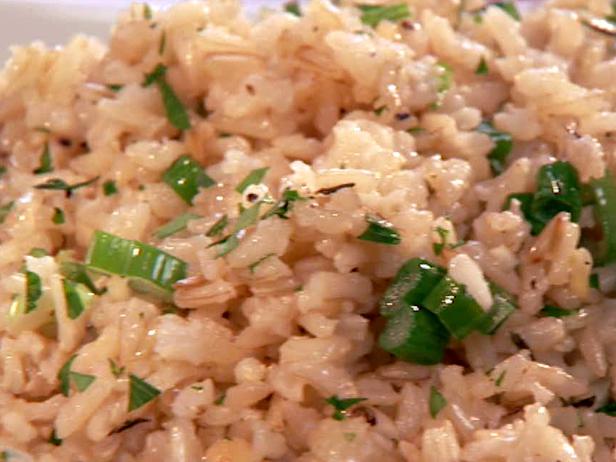
Replacing white rice, as much as possible, with brown rice is also a very healthy option.

Please also read the articles ‘Basics Of Nutrition‘, ‘Preventing Diabetes‘ and ‘Healthy Fruits For Diabetics And Weight Losers‘ on this website.

carb4  carb3