The Good And The Bad Fats!
Knowledge About The Good And The Bad Fats Is Life Saving!
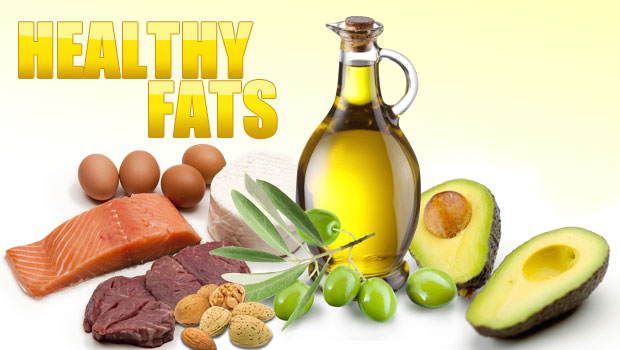
Good Fats and Bad Fats — What Really Matters
***
Doctor’s Summary
Avoid trans fats completely
Limit total visible oil to about 3–4 teaspoons per day
Use groundnut oil for routine cooking if cooking at medium temperature or more
Add a small amount of extra virgin olive oil in raw form for cold dressing salads
Use extra virgin olive oil if low temperature cooking is possible and reheating food can be minimal
Small amounts of ghee can be included for taste
Reheating food once is acceptable if done properly
Overall diet and lifestyle matter far more than any single oil
***
For many years, fats were seen as the enemy. Today, the conversation has shifted—but in many cases, it has gone too far in the opposite direction, with certain fats being portrayed as “superfoods.”
The truth lies in understanding balance rather than extremes.
Fats are not simply “good” or “bad.” Their impact depends on type, quantity, balance, and how they are used in daily life.
***
What Are Dietary Fats?
Fats are an essential part of a healthy diet. They:
Provide energy
Support hormone production
Help absorb fat-soluble vitamins (A, D, E, K)
Play an important role in brain and heart health
***
They are broadly classified into three categories.
1. Saturated Fats
Found in ghee, butter, coconut oil, and animal fats
These fats are relatively stable during cooking
They can be part of traditional diets in moderate amounts
Excess intake, especially in sedentary individuals, may increase cardiovascular risk
2. Unsaturated Fats
These are generally beneficial and are divided into two types:
a) Monounsaturated fats (MUFA)
Found in:
Groundnut (peanut) oil
Olive oil
Nuts such as almonds and peanuts
These fats support cardiovascular health and improve lipid profile when used in place of saturated fats.
b) Polyunsaturated fats (PUFA)
Found in:
Sunflower oil
Soybean oil
Corn oil
Fatty fish (source of omega-3 fats)
Important distinction:
Omega-6 fats → abundant in vegetable oils
Omega-3 fats → found in fish, flaxseed, and walnuts
Both are essential, but the balance between them is important.
3. Trans Fats — To Be Avoided
Found in:
Hydrogenated oils (vanaspati)
Packaged and processed foods
Bakery products
These fats increase the risk of heart disease and should be avoided as far as possible.
***
The Real Issue: Imbalance in Modern Diets
Most modern diets are:
High in omega-6 fats
Low in omega-3 fats
This imbalance may contribute to long-term metabolic problems.
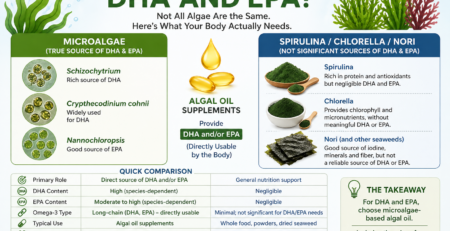
Vegetable oils do not supply DHA and EPA, the important omega 3 fatty acids.
The best balanced oil is the one with the highest monounsaturated fatty acids to omega 6 polyunsaturated fatty acids ratio.
Extra virgin olive oil provides exactly this balance.
The goal is not just choosing a “healthy oil,” but maintaining a balanced diet overall.
***
Groundnut (Peanut) Oil — A Practical Perspective
Groundnut oil is widely used in Indian cooking and works well with common cooking methods, at moderately high temperatures.
Composition:
About 50% monounsaturated fats
About 30% polyunsaturated fats (mainly omega-6)
Contains vitamin E
Clinical perspective:
It can be part of a healthy diet when used in moderation
It is suitable for routine Indian cooking, including moderate heat
However, because it is relatively high in omega-6 and low in omega-3, it is best not relied upon as the only fat in large quantities
***
Extra Virgin Olive Oil — Separating Myth from Evidence
Extra virgin olive oil (EVOO) is one of the most well-studied dietary fats.
Key advantages:
About 70 to 80 % monounsaturated fats
Averages about 10% polyunsaturated fats (mainly omega-6)
Contains natural phenolic antioxidants
Associated with cardiovascular benefits
Thus it is the best balanced oil for heart health but needs to be used at low temperatures, best for cold dressing
It is reasonably stable for cooking, but in practical Indian settings, it is often easier and more beneficial to use it in its raw form, as cold dressing.
Practical use:
Salad dressings
Added to cooked food after preparation
Light to low temperature use.
***
Reheating Food — A Practical Clarification
In many Indian households, food is cooked once and reheated for the next meal.
When oil intake is moderate and food is reheated only once:
The oil is part of the cooked food, not exposed directly to high heat
Short reheating does not significantly damage the fat
Practical advice:
Reheat only the required portion
Avoid repeated reheating of the same food
Avoid overheating or burning
This common practice is generally safe when these precautions are followed.
***
Practical Advice for Everyday Use
For most individuals
Limit total visible oil to only a few teaspoons per day
A practical and sustainable pattern is:
Best is to use groundnut oil for regular cooking, especially medium heat cooking
Best is to use extra virgin olive oil for salads or added after cooking in daily food
Using both oils in equal balance will be a good choice
Up to ½ teaspoon ghee occasionally for taste may be permissible
This is an approximate daily pattern and does not need to be followed rigidly every single day.
What About Ghee and Butter?
These traditional fats can be included:
In small quantities
As part of a balanced diet
They are not inherently harmful, but excessive intake—especially with low physical activity—can increase health risks.
***
The Bigger Picture
The health impact of fats depends on overall lifestyle:
Total diet quality
Physical activity
Body weight and waist circumference
Smoking and alcohol habits
Focusing only on “which oil is best” often misses these more important factors.
***
Final Takeaway
Avoid trans fats completely
Limit total oil intake rather than focusing only on type
Use groundnut oil for routine Indian style cooking at medium high temperatures in moderate amounts
Include small amounts of extra virgin olive oil in daily food as cold dressing
Can solely use extra virgin olive oil if cooking is limited to low temperatures and reheating is avoided
Include ghee but very sparingly if desired
Reheating food once is acceptable if done properly
Long-term health depends more on consistency and balance than on any single dietary choice.
***
How much fish is enough to get adequate omega 3 fatty acids EPA and DHA?
Adults should eat about 170 gm sea fish twice a week and children between the ages of 2 to 8 years between 40 to 85 gm and children over 9 years between 115 to 140 gm twice a week to get enough of the two omega 3 fatty acids.
Related article