Uncategorized

Overcoming Obesity Related Infertility

Weight Loss Should Be The First Treatment For Obesity Related Infertility!

On 5th May 2017, Ms Sarika Shukla, 30, 5 feet 2 inches tall, 93 kg young lady came to me, looking for my help in losing weight that apparently was preventing her from conceiving even after 3 or 4 years of expensive and frustrating fertility treatments that had failed completely, under a well known Pune gynecologist. After spending a few lacs and undergoing two expensive laparoscopies, a doctor relative severely admonished her and sent her to me.

She had also spent huge amounts on trying to lose weight on a few heavily advertised, self-styled slimming centers in Pune, without any success, before coming to me.

I had hoped against hope that she would lose at least 25 to 30 kg weight before she conceived.

No such luck!

Put on a healthy nutritional plan and regular walks, she lost some 4 kg and conceived naturally in a month’s time.

She delivered a healthy baby, absolutely safely, without any complications during pregnancy or delivery.

A few years earlier, a 28 year old, 5 feet tall, 70 kg young lady was referred to me by a top infertility expert in Pune. The lady, whose name I am not at liberty to disclose, is the daughter in law of a famous construction family in Kothrud, Pune and both husband and wife are ayurvedic doctors. She was unable to conceive even on extensive fertility treatments as well as ayurvedic treatments, after suffering from nine miscarriages! Needless to say that she was more sad and depressed than Sarika.

I assured her that we would overcome her problems in a few months and that she should relax, get happy and positive and stop worrying about pregnancy and that everything will fall in place when she loses weight healthily.

She lost 18 kg with me, lost all her gloom, became happy and positive and conceived naturally, without any fertility treatment. This time the slim and fit young lady had no complications of pregnancy and delivered a healthy baby safely.

She too had spent a fortune on many obesity clinics in Pune, without losing weight.

Today millions of women all over the world are suffering from PCOD, menstrual dysfunctions and anovulation, lower conception rates, infertility, higher miscarriage rates and a higher rate of complications during pregnancy.

Most ladies suffering from PCOD are overweight or obese, many of them also suffer from hyperinsulinemia and insulin resistance, some of them also suffer from hypothyroidism and many have difficulty in conceiving or are infertile.

The easily perceivable common condition running in most of these ladies is obesity. What is less easily perceivable is that many of these ladies may eat bad and may have sedentary lifestyles.

I have been helping young ladies all over the world, overcome obesity, often with PCOD, history of one or more miscarriages and also infertility, for three and a half decades.

In actual practice, I have found that the root cause of obesity and PCOD, and obesity-related miscarriages and infertility, are bad eating and sedentary lifestyles with an almost complete absence of any physical activity.

World over, most such ladies are directly put under hormonal fertility treatments, without being told to eat better, take up some exercise and lose weight before taking up infertility treatments.

I am sure, most of these ladies will conceive naturally, without any fertility treatments, if only they ate well, at least walked regularly, stopped thinking about pregnancy constantly, became happy and positive and lost weight healthily.

I have demonstrated this fact in my practice repeatedly over the decades!

Unfortunately, most times, such ladies either come to me directly, or a few are referred to me by their gynecologist or infertility specialists, only after all possible fertility treatments have failed.

Once they are put on healthy, balanced nutrition and they start walking regularly, most of them conceive naturally, most often much before they have lost all the weight they need to lose, often by the time they lose 8 or 10 kg, sometimes much less!

Ideally, they should slim down optimally, but since they are not taking any preventive measures, many conceive naturally in a month or two. Losing maximum excess weight protects them from miscarriages and complications during pregnancy and childbirth.

Since obesity, hypertension, diabetes, heart disease, strokes and all the above diseases that accompany obesity, have assumed epidemic proportions in our country too, obesity clinics, slimming centers, weight loss treatments of every hue have sprung up in Pune and all over India.

Few selling these so-called weight loss treatments really know what works long term and either force starvation or painful exercises on their hapless victims! Neither works long term!

It is vital that the lady aspiring to be a mother loses weight on completely healthy, balanced nutrition and gets fit, happy and positive.

A bad weight loss treatment with bad nutrition is also most likely to harm the health of the fetus and also cause miscarriages on its own.

It is wonderful for the pregnancy and the mental and physical health of the baby if both parents are happy, healthy, positive, slim and fit and are free of addictions like smoking, drinking or drugs, at the time of the conception.

I always strive to help couples struggling with obesity-related infertility to achieve these goals, the rest falls in place automatically!

Also read the ‘Testimonials’, ‘Health Problems Of The Young: PCOD’ and the ‘Slim Women Are Healthy Women’ articles on this website.

Obesity Treatment in Pune

Preventing Hypertension

How To Prevent High Blood Pressure

High blood pressure is a leading cause of cardiovascular disease. It accounts for two-thirds of all strokes and half of all heart disease.

One out of every five people in India has high blood pressure or hypertension. The situation is worse in Maharashtra, the ratio increasing to one in three.

Hypertension is often asymptotic. Many people never know that they have hypertension, simply because they have never had any reason to go to a doctor and check their blood pressure. It is often detected accidentally or after some tragedy strikes. That’s why it is called a silent killer!

The incidence of hypertension is so high today that it is vital that young people keep a regular watch on their blood pressure, at least once in every six months, even if they are not overweight, have no personal or family history of hypertension, and more often if they have all three plus stress.

Three decades ago, a survey amongst school children in Pune found a high incidence of obesity and hypertension, the incidence is much higher today! If your child is overweight or obese do get his blood pressure checked regularly and make sure that he loses weight.

Childhood obesity predisposes children to early hypertension, dyslipidemia, diabetes and heart disease.

Prolonged hypertension damages the blood vessels and various organs of the body.

It causes hardening and thickening of the arterial walls and the narrowing of their lumen. It can lead to weakening and bulging of the arteries. This is called aneurism and such aneurisms can rupture causing grave complications.

Hypertension can cause heart attacks and strokes. Raised blood pressure causes greater resistance to the flow of the blood through the arteries and forces the heart to pump harder to circulate blood through our body, causing hypertrophy (thickening) of the heart muscle. The thickened heart muscle struggles to pump blood efficiently and eventually fails to do so, causing heart failure.

Thickening and narrowing and aneurysms of the arteries in kidneys or eyes can damage these organs can lead to renal failure and loss of vision.

Hypertension also contributes to development of the metabolic syndrome that leads to development of diabetes, heart disease and strokes.

It can also cause circulatory problems and strokes in the brain and lead to impairment of memory and understanding and development of vascular dementia.

Thus you can see that untreated hypertension can cause blindness, renal (kidney) failure, heart attacks, strokes, and death. Even those people who are on proper medication may not necessarily escape these complications.

This said, it is vitally important that people consult their doctor, take the prescribed medication regularly and never stop medication on their own, without the knowledge of the doctor. Many people commit this mistake and pay the ultimate price for it.

Even amongst the people who are on regular medication, few have well-controlled blood pressures, 140/100 m.m. of Hg or more are not uncommon, when the levels should be 120/80 m.m. of Hg or less! Such people run the same health risks as mentioned above.

So our best option is to prevent hypertension and most people can definitely do it.

High blood pressure most often occurs without having any specific underlying disease leading to it. This hypertension is called primary or essential hypertension. About ninety to ninety-five percent of all hypertension cases fall into this category. Only five to ten percent people have an underlying disease leading to hypertension. This kind of hypertension is called secondary hypertension.

Various theories have been put forth about the causes of essential hypertension. Broadly speaking high blood volume, increased cardiac output, increased resistance of the arterial walls due to their thickening and reduced elasticity, narrowing of the lumen of arteries, increased vascular tone and a few other causes are thought to lead to primary hypertension.

But the fact remains that, with proper precautions, most people can prevent the onset of primary hypertension, many may overcome the problem completely.

Here are some interesting facts about the effects of food, exercise and weight loss on blood pressure.

Exercise alone has been shown to reduce systolic blood pressure by 3.5 and 2.0 mm respectively.

Improvement in diet by shifting to low fat dairy (milk, curds, buttermilk) and fibre rich foods viz. vegetables and fruits, we already have ample pulses and legumes in our food, has been shown reduce blood pressures by 5.5 and 3.0 mm Hg in people whose diets are rich in high fat dairy, flesh foods and low in low fat dairy and fibre rich foods.

Weight loss of every four kg has been shown to reduce systolic blood pressure by 6.25 mm and diastolic blood pressure by 4 mm.

The combined effects of exercise and weight loss has been shown to reduce systolic blood pressure by 12.5 mm and diastolic blood pressure by 8 mm in overweight or obese people.

Exercise has also been shown to improve ventricular mass and wall thickness, reduce arterial stiffness and improve endothelial function, improving our chances of fighting off coronary artery disease, strokes and peripheral vascular health by lowering blood pressure.

Exercise also improves the health of the arteries by reducing inflammation of the endothelial lining of the arterial wall, improves their flexibility, prevents clot formation and also prevents coronary and cerebral vascular accidents.

So you can see why it is essential to eat healthy, exercise regularly and lose weight to overcome hypertension.

Following are the essential steps you must take to prevent this hypertension.

Adapt a healthy lifestyle.

Keep your nutrition healthy, complete and moderate in calories.

Eat minimum fatty and sweet food and red meat.

Eat salt minimally. Avoid high salt foods like ‘papad’, ‘chatani’, ‘pickles’, dried and salted fish. Salt causes the blood volume to increase and this, in turn, causes blood pressure to climb. The sodium content of mineral salt may be higher than table salts. So, contrary to popular belief, mineral salts like ‘saindhav’ may be worse for hypertension than the table salts. Avoid mineral salts and ‘chat masalas’.

In general, foods rich in potassium, beans, dark leafy vegetables, all fruits, notably bananas, potatoes, fish, mushrooms, will help lower blood pressure. So include them in your food regularly.

Foods high in sodium, table salt, mineral salts, chaat masala, pickles, dried fish, fast foods, chips, French fries, salted nuts, canned foods (meats, fish and beans), sauces, salad dressings, will increase blood pressure. Keep them out of your food.

In general, animal source foods are high while vegetable source foods are low in sodium. So eating less of flesh and more of vegetables and fruits will help lower blood pressure.

Workout sufficiently; a brisk walk of at least thirty to sixty minutes will be good enough for most people, thirty if you are slim, sixty if you are overweight.

Make sure that you move around, get a little stroll whenever possible and generally remaining more active during work hours if you have a sedentary job.

Lose weight. A slim tummy will dramatically help bring down blood pressure, blood sugar and blood fats and cholesterol. Abdominal obesity leads to hypertension, diabetes and heart disease.

Quit smoking and consuming tobacco in any form.

Sleep and rest adequately. Seven hours of sound sleep will prove invaluable.

Be happy, positive, contented and peaceful.

A mind full of negative thoughts, sorrow, irritability, anger, endless desires, and a king size ego causes immense damage to our health. This kind of mindset leads people to hypertension, diabetes and heart disease sooner or later.

Any honest and intelligent person can identify if he or she has such a mindset. A bloated ego or plain stupidity can prevent us from identifying that we have such a mindset.

You must calm down your mind, free it from the clutches of negative and violent thoughts if you really want to become happy and healthy and free from the impending threat of hypertension, diabetes and heart disease.

And it can be done for sure, only you should want to be happy and healthy.

Take up a technique as simple as ‘yoganidra’ if not meditation if you wish to be calm, happy and healthy. Consistent yoganidra will immensely help in making you peaceful, happy and positive.

So ensure that you take these steps urgently and see how dramatically your blood pressure and blood chemistry improve. These steps will give you much improved mental and physical health and prevent hypertension, diabetes and heart disease and also slim you down!

Also read ‘Health Problems Of The Young: Hypertension’, ‘Hypertension Prevention And Control Program’ and ‘Preventing Diabetes‘ on this website.

Obesity Clinic in Pune

Can I Eat A Whole Egg?

The Dilemma Faced By Many people!

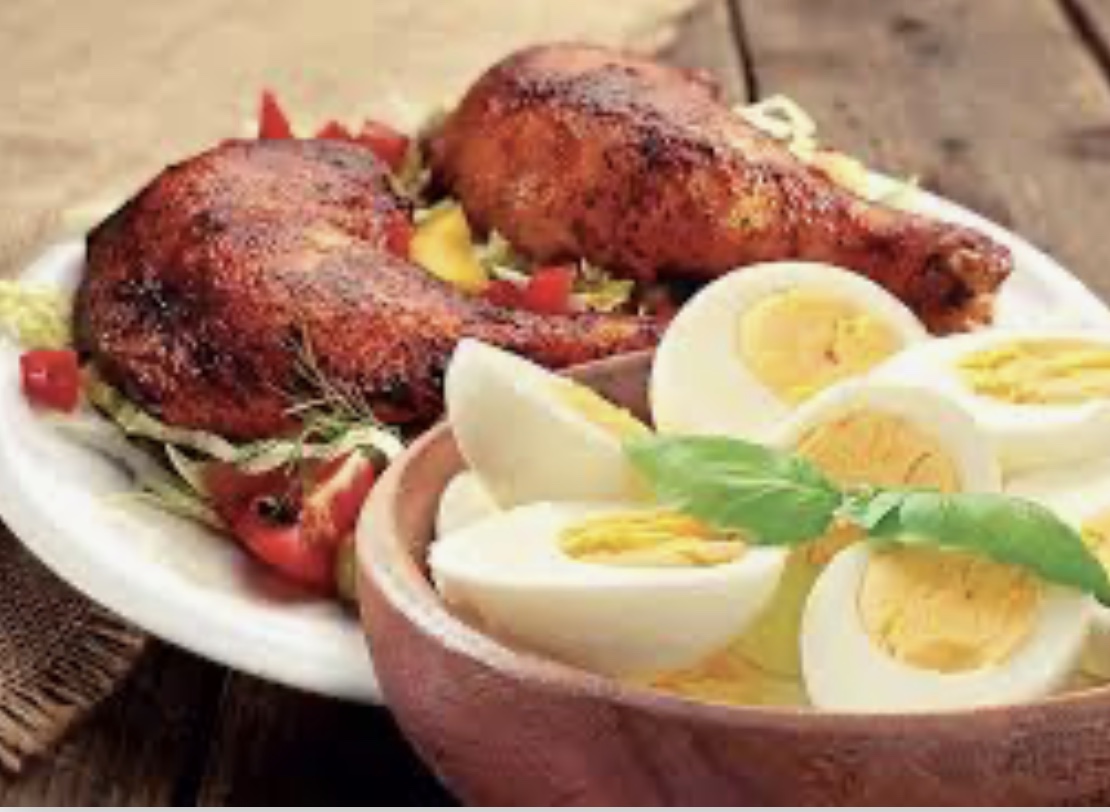
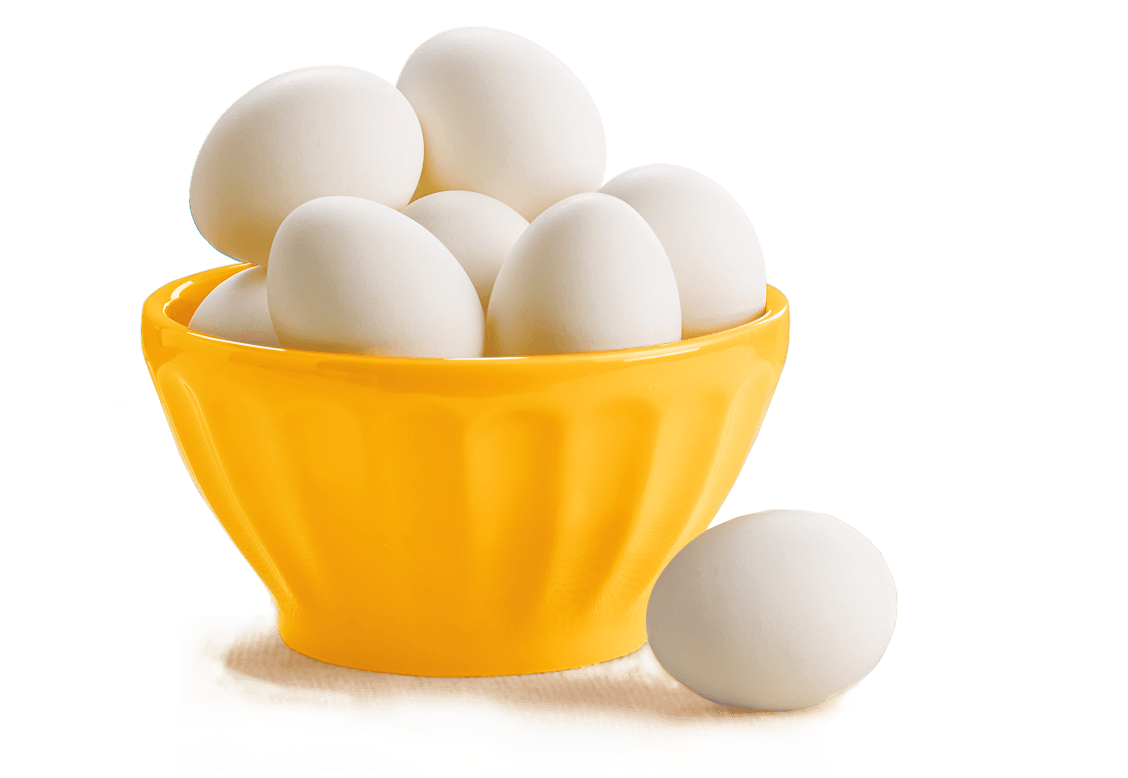
An egg contains six grams of the best quality proteins with all the essential amino acids.

An egg also contains 6 grams of fat, of which 1.5 grams are saturated fats. It also contains about 210 mg of cholesterol.

The protein content is almost evenly divided between the white and the yellow (yolk) of the egg, just a bit over 3 grams in the white and just under 3 grams in the yolk. The major part of the good nutrition as well as the entire fat and cholesterol are housed in the yolk.

Thus if you eat only the egg white, you get just over 3 grams of excellent proteins with only 12 calories and don’t have to worry about fats or cholesterol. Unfortunately, you miss out on most of the other excellent nutrition housed in the whole egg.

Plus the egg white is rather high in sodium. This could give you elevated blood pressure if you consume too many egg whites.

Eggs are one of the very few foods that contain naturally occurring vitamin D. Thus they help build healthy bones, teeth and help prevent osteoporosis.

Eggs are also beneficial to the health of the eyes. The carotenoid content of the eggs, specifically lutein and zeaxanthin may prevent cataract and macular degeneration, an eye disease that leads to loss of central vision.

Eggs are a good source of choline. Choline is an important nutrient that helps regulate the brain, nervous system, and cardiovascular system.

New research shows that, contrary to previous belief, moderate consumption of eggs does not have a negative impact on cholesterol. Research suggests that it is saturated fat that raises cholesterol rather than dietary cholesterol.

According to a study by the Harvard School of Public Health, there is no significant link between egg consumption and heart disease.

One study suggests that regular consumption of eggs may help prevent blood clots, stroke,and heart attacks. Another study suggests that women who consumed at least 6 eggs per week lowered their risk of breast cancer by 44%.

Eggs also promote healthy hair and nails because of their high sulphur content and wide array of vitamins and minerals.

Thus it is clear that eggs are highly nutritious. But an egg still provides two third of the safe upper limit of the daily recommendation of cholesterol for a healthy person, viz. 300 mg, while a person with high cholesterol or bad lipid profile shouldn’t cross 200 mg.

Dr. Thomas Behrenbeck, a Mayo Clinic cardiologist, advises that a healthy person should not cross 4 whole eggs a week.

A person with high cholesterol or bad lipid profile should follow his doctor’s advice.

Even a healthy person should avoid eating other high cholesterol and high saturated fat food and fatty deserts the same day.

Newer research thus tends to exonerates the egg from the demon of heart disease, but prudence must still be exercised while eating whole eggs.

It would be a good idea to keep an eye on your lipid profile every six months if you eat whole eggs regularly.

For more information about fats and cholesterol, read the article ‘Basics Of Nutrition‘ on this site.

weight Loss Treatment in Pune

Health Benefits Of Brown Rice

Why You Must Replace White Rice With Brown Rice

Rice is a cereal and all cereals have more or less similar nutritional composition. But this is true for whole grain rice, not the polished white rice that people generally eat.

A grain of rice that is obtained after removing the husk by minimally processing it is the whole grain rice.

It is brownish in colour and is called the brown rice.

Brown rice is further milled to separate the outer cover called the bran and the germ from the rest of the grain of rice.

This grain is the white rice and it is composed mostly of the endosperm.

Brown rice and white rice have a similar number of calories and carbohydrates. The main differences between the two forms of rice lie in processing and nutritional content.

The bran and the germ house most of the fibre, vitamins, minerals, healthy fats, antioxidants and about twenty five per cent of the proteins from the original whole grain rice.

The white grain of rice left behind houses most of the starch and seventy five per cent of the proteins from the original whole grain rice.

In short, brown rice is the whole grain rice, while white rice has the bran and germ layers removed from the whole grain rice, this process strips away the fiber, vitamins, minerals and healthy fats and the antioxidants from the whole grain rice.

Thus brown rice is superior to white rice when it comes to fibre content, minerals, vitamins, and phytochemicals.

The fibre content of the whole grain rice is 3.5 gm while that of the white rice is 0.5 gm.

The higher fibre content in the brown rice slows down the absorption of carbohydrates in the blood and does not generate as large an increase in blood sugar levels after a meal as white rice, that is the glycemic index of brown rice is lower than that of white rice.

Milling and polishing brown rice removes most vitamins and minerals. In addition, milling strips away most of its fibre, which helps deter diabetes by slowing the rush of sugar (glucose) into the bloodstream.

Eating white rice daily may help trigger the onset of diabetes in those who are at a higher risk of developing diabetes due to family history or poor lifestyle, poor nutrition, lack of exercise and stress.

Replacing white rice with brown rice in four or five meals a week will substantially lower this risk.

Several vitamins and dietary minerals are lost in this removal and the subsequent polishing process. A part of these missing nutrients, such as vitamin B1, vitamin B3, and iron are sometimes added back into the white rice making it “enriched”, as food suppliers in the US are required to do by the US Food and Drug Administration. We have no information what happens in India.

One mineral that is lost substantially in white rice is magnesium.

When the bran layer is removed to make white rice, the oil in the bran is also removed. Rice bran oil may help lower LDL cholesterol. Rice bran oil contains ‘Oryzanol’ which is considered to be helpful in lowering blood cholesterol levels.

Among other key sources of nutrition lost are small amounts of fatty acids and fiber.

Summary:

Brown rice is more nutrient dense offering more fibre, vitamins, minerals, antioxidants and healthy fats.

White rice is primarily a source of easily digestible carbohydrates and some proteins but significantly less nutrients.

Read the article ‘Basics Of Nutrition‘ on this website for more information

Carbohydrates Don’t Make Us Fat!

The Myth Of Low Carbohydrate Diets!

Carbohydrates are the first source of energy of our body. Amongst the three major components of our food, viz. carbohydrates, proteins and fats, the primary role of carbohydrates is to provide energy that our body needs for all it’s basic needs. We use energy drawn from this source for all our daily activities and for all the processes that go on in our body day and night.

Fats are the reserve source energy of our body and they are drawn upon for energy only when carbohydrate energy is exhausted.

Proteins are the most important constituents of most of the tissues of the body. They are essential for the growth, development and repair of the daily wear and tear of the body. They are responsible for the defence mechanism of the body. They are also essential for the formation of various enzymes and hormones in our body.

Proteins are not meant to be an energy source. Body uses proteins for energy only in survival mode when you are on a ‘very low calorie diet’ (VLCD), or on a diet very low on carbohydrates, our principal fuel energy source.

On such a low fuel energy mode, body cannot burn fats fast enough to meet it’s immediate energy needs and uses up proteins from food for energy, depriving the body of the vital role that proteins perform. Thus you need enough carbohydrates in your food to ‘spare’ proteins from being used for energy. This is the vital ‘protein sparing’ function of carbohydrates.

And as a last resort, the body also raids the proteins in the connective tissue, the muscles and vital organs of the body for energy. This is the reason why people on low calorie – low carbohydrate diets become wrinkled, shrivelled and look older with sagging, unhealthy skin and go on to suffer from multiple dietary deficiencies.

***

Carbohydrates are of two types, viz. simple and complex carbohydrates.

Simple carbohydrates are made up of one or two sugar molecules while complex carbohydrates are made up of long chains of glucose molecules.

Sugar, jaggery, honey, arrowroot, sago, rava, maida, refined corn flour are simple carbohydrates.

Starch and fibre are the two main types of complex carbohydrates and cereals and pulses are the main sources of complex carbohydrates.

Simple carbohydrates are digested quickly and cause sharp spikes in blood sugar and lead to hyperinsulinemia, insulin resistance, weight gain and can also lead to diabetes.

In contrast, complex carbohydrates are digested slowly and provide steady supply of glucose and hence energy to the body, preventing spikes in blood insulin levels, hyperinsulinemia and insulin resistance, weight gain and diabetes.

The sugars in fruits are simple carbohydrates, but due to the ample fibre and water in them, these simple sugars are absorbed slowly in the body and do not cause sudden spike in blood sugar. Thus fruits behave more like complex carbohydrates than simple carbohydrates.

So it is consuming too much simple carbohydrates regularly that leads to hyperinsulinemia, insulin resistance, weight gain and diabetes, not complex carbohydrates.

Complex carbohydrates foods like cereals and pulses are also rich in essential nutrients like fiber, vitamins, especially B vitamins and minerals like iron, magnesium and selenium.

Complex carbohydrates are the only source of fibre in our food.

Fibre is of two types, insoluble and soluble.

Insoluble fibre is crucial to digestion, bowel movement and to the maintenance our gut health.

The insoluble fibre helps regulate blood sugar and cholesterol.

Complex carbohydrates contribute to satiety, helping to control appetite and reduce overall calorie intake. Having well balanced food with adequate complex carbohydrates, without of course over eating, helps in controlling weight rather than causing obesity as is often wrongly projected.

Brain function: Glucose is the primary source of energy for the brain. Complex carbohydrates provide steady supply of glucose to the brain cells and this helps in the smooth functioning of the brain and helps support cognitive functions, including memory and concentration.

***

Lack of adequate complex carbohydrates in food leads to low energy levels, fatigues and deficiencies of vital nutrients like fiber, vitamins, especially B vitamins and minerals like iron, magnesium and selenium.

Lack of insoluble fibre in low carbohydrate diets leads to constipation, haemorrhoids (piles) and fissures and can also lead to development of conditions like diverticulitis and colon cancer.

High levels of fat and hence calories, in low carbohydrate diets can also cause obesity.

Lack of soluble fibre and presence of high levels of saturated fats in low carbohydrate diets can lead to raised levels of LDL cholesterol and total cholesterol, heart disease and strokes.

Low carbohydrate diets also lead to impairment of cognitive functions including memory, concentration and mental clarity and focus.

***

Researchers like Sara Seidelmann, a cardiovascular researcher and former clinical research fellow at Brigham and Women’s Hospital in Boston, a top US hospital, have found that people on animal based low carbohydrate diets are associated with shorter life span and should be discouraged.

According to this study, people who got 50 – 55 % of their calories from carbohydrates, on an average, outlived those on low carb diets by four years and those on high carb diets by one year.

So we can conclude that high animal source, low carb diets are worse than high carb diets and balanced nutrition is the best choice whether you are looking to lose weight or simply live healthy!

***

Thus a low carbohydrate diet is bad either for healthy living or for losing or maintaining weight. You must have enough carbohydrates in your food irrespective of whether you are losing weight or maintaining healthy weight.

People losing weight on balanced, healthy nutrition, slim down with glowing, healthy skin and look fresh and young!

You definitely can lose weight and stay slim and healthy on balanced, healthy nutrition, in fact you can’t lose weight healthily without being on healthy nutrition.

Yes, over consumption of simple carbohydrates is bad for your blood sugar and weight, but not complex carbohydrates.

Yes, simple carbohydrates lack any significant nutrition, but complex carbohydrates provide us with sustained energy, ample vitamins, minerals and antioxidants, help regulate blood sugar, cholesterol and also weight.

Complex carbohydrates don’t make us fat, it’s excess calories that make us fat and excess calories come from overall overeating, not just overeating carbohydrates!

Excess proteins, over and above your daily needs and fats also contribute calories that account for your weight gain.

In fact fats provide over twice the number of calories supplied by carbohydrates and proteins, nine per gm as compared to four each per gm supplied by carbohydrates and proteins.

So why single out carbohydrates as the villain?

Low carbohydrate diets are invariably not ‘high protein diets’ as they are projected to be, by their sponsors, but they are more ‘high fat’ than high protein diets. Such diets send your blood triglyceride levels shooting up and eventually your cholesterol levels will also shoot up. This is an invitation to heart disease and strokes.

So low carbohydrate diets are more likely to give you heart disease and strokes than make you slim and safe from hypertension, diabetes, heart disease and strokes!

***

Important takeaway:

For millions of Indians, food remains deeply rooted in culture, affordability and vegetarian traditions. Cereals such as rice, wheat, jowar and bajra form the bulk of daily calories, while proteins are mostly obtained through the traditional complementation of pulses and cereals — such as dal-rice, khichdi, roti-dal or idli-sambar — with milk and curd adding additional high-quality proteins.

This dietary pattern can be healthy and sustainable, but modern sedentary lifestyles have changed the equation.

Reduced physical activity combined with large carbohydrate-heavy meals can produce repeated blood sugar and insulin spikes, contributing over time to abdominal obesity, insulin resistance, fatty liver disease, prediabetes, type 2 diabetes and cardiovascular disease.

The answer is not abandoning traditional Indian food, but modifying both meal composition and activity patterns.

Meals can be made metabolically safer by reducing sugar, jaggery, white rice and refined carbohydrates like rava and maida and increasing fibre and protein intake. Replacing part of polished rice with brown rice and having adequate vegetables, salads, pulses, sprouts and protein-rich foods slows glucose absorption and improves satiety. Replacing part of wheat consumption with some millets such as jowar and nachani (ragi) may also help because of their higher fibre content and relatively lower glycaemic impact compared to wheat.

Physical activity is equally important. Morning walks or exercise improve insulin sensitivity for several hours, helping muscles utilise glucose more efficiently throughout the day. In addition, even a gentle 10–20 minute walk after meals can help muscles directly absorb circulating glucose, reducing post-meal blood sugar and insulin spikes.

Thus, a practical and sustainable strategy for modern Indian lifestyles may include:

Better balanced traditional meals,

Greater use of fibre-rich foods and millets,

Regular morning exercise,

And short post-meal walks.

Traditional Indian diets evolved alongside traditionally active lifestyles. In today’s sedentary environment, combining smarter food choices with regular movement may be one of the simplest ways to protect long-term metabolic health.

Related articles

‘Basics Of Nutrition’

‘The Good And The Bad Carbohydrates’

Obesity Clinic in Pune

Lots Of Nuts And Cheese Won’t Make You Slim!

Snacking On Nuts And Cheese Is Not Going To Make You Slim!

Many people ask me if snacking on ground nuts and other nuts like almonds and walnuts and cheese helps in slimming.

Hardly. In fact, all nuts including groundnuts and dry fruit nuts are very high in fats. They provide between 50 to 60 per cent fat, walnuts providing 60 gm fat by weight, meaning every 100 gm of these nuts provide you with 40, 50 or 60 gm of fat. That is the same as eating 10 to 12 teaspoons of pure fat, like oil or ghee!

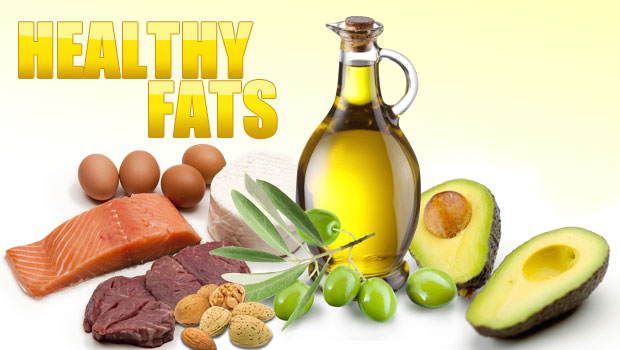
A major part of the fat in nuts is the monounsaturated kind, though walnuts also provide the plant source omega-3 fatty acids, which help protect us from coronary artery disease, although not as valuable as the sea source omega 3. Almonds and walnuts are also rich in a wide range of antioxidants. So it makes sense to have a few almonds and walnuts daily, walnuts especially if fish is not a part of your food, especially if you’re slim.

Luckily there is no cholesterol in nuts.

Eating nuts because nuts have fibre, makes no sense for Indians. Pulses, whole grain cereals, vegetables, especially leafy vegetables and fruits provide adequate fibre in Indian diet at the cost of much fewer calories. Our normal Indian food has all four in most meals, so we don’t need high fat nuts for fibre. Plus all four are far cheaper than dry fruit nuts!

For most Indians, the normal diet consists of cereal – pulses – vegetables routine in the majority of meals and meat only a few meals, probably no more than a couple of days a week. So getting enough fibre is not a great problem for us.

Predominantly ‘meat only’ Western diets include little whole grain cereals and vegetables and probably lack adequate monounsaturated fatty acids as well as fibre. Hence some Western experts may advise a handful of nuts as snacks. But for Indians, the advice is totally misplaced.

Nor do we need nuts to give us proteins. Milk and a combination of cereals and pulses and legumes  provide us with adequate proteins. Also the proteins in nuts are not of high quality, not containing all essential amino acids.

So we don’t need to buy a lot of fats to get some incomplete proteins and a little fibre.

A diet high in overall fat, and particularly saturated fats, builds more cholesterol in our blood.

Cheese will be 30 per cent fat, major part of it saturated, and ample cholesterol. Both are bad for your blood cholesterol levels and your heart.

We don’t need cheese to give us proteins and calcium; milk and leafy vegetables can provide them amply.

So snacking on nuts and cheese is bad for your weight as well as the heart. Make no mistake about it.

Eating either, in small quantity, occasionally isn’t exactly akin to committing suicide, but snacking on them every day definitely is!

Read more about the Basics Of Nutrition on our website.

Effects Of Cooking On Omega 3 In Fish

Effects Of Cooking On Omega 3 In Fish!

How To Cook Fish To Retain Omega 3!

Many people know that sea fish are the richest source of the sea source omega 3 fatty acids, the EPA and the DHA, in our food and that they protect us against coronary heart disease.

Many of them eat enough sea fish to get adequate omega 3.

But do they actually get the omega 3 from the fish?

Mostly not, because they don’t prepare their food the right way! Most people fry and eat it.

Let us see the effects of various kinds of cooking on the omega 3 content of fish.

The effects of the various kind of preparations of fish have been studied in two studies in India and Greece. Although more studies are needed, the findings of the two studies make the effect of cooking on omega 3 clear enough for us.

In general, lesser the heat and the duration of cooking, better the cooking process and greater the heat and the duration of cooking, worse the cooking process for retaining the omega 3 in fish.

Frying: Shallow frying of fish in a skillet or a pan, or deep frying exposes the omega 3 to high temperatures, destroying as much as 70 to 85 per cent of omega 3. Frying completely changes the fatty acid profile of the fish, so it doesn’t resemble the original profile at all!

Canning: Canning completely destroys the omega 3 in fish.

Tandoor cooking of fish too exposes it to very high temperatures, destroying much of the omega 3 in fish.

Microwave cooking: Many consider microwave cooking as a bad cooking practice, but it has been found to retain much of the omega 3 as microwave cooking is done at a lower temperature. The lesser the microwave power used and shorter the time of cooking, the better.

Cooking and baking: Cooking fish by boiling like in preparing fish curries or baking at 200°C for 20 minutes retains most of the omega 3, keeping its EPA and DHA content intact.

Steaming of fish in special steaming pots is also a good cooking method that helps retain most of the omega 3 in fish. Patra fish, a Parsee delicacy in which fish is steamed in banana leaves is a healthy preparation.

Smoking: Smoked fish does retain the omega 3 content of fish, but smoking fish is not a common practice in India. We get to eat smoked salmon in five-star hotels only, to the best of knowledge, and it is imported.

The commonest preparations of fish in India are frying and cooking in gravies. So the people who fry and eat fish, get minimum benefits of the fish omega 3 while those who cook it in gravies get the maximum benefits of the fish omega 3.

The key to keeping the healthy omega 3 in your sea fish intact on cooking appears to be cooking it at a lower temperature than about 200 degrees and cooking it quickly in about 20 minutes, may even be at a lower temperature if for a little longer time frame.

Higher temperatures and longer cooking time completely alters the chemical structure of the fatty acids in the fish so it doesn’t resemble the original chemical structure of the fish lipids. High heat also helps develop the very harmful trans fatty acids and some other toxic substances in fish.

So eating fish prepared by boiling, steaming or cooking it in gravies or baking or microwave cooking it, at low temperature and shorter time, is the better way of eating fish than frying or cooking it in tandoor or eating canned fish.

Also, read the articles Basics Of Nutrition, The Good And The Bad Fats and ‘Omega 3 Fatty Acids‘ on this website.


weight Loss Treatment in Pune

Preventing Osteoporosis!

Keeping Our Bones Healthy For A Life Time!

Osteoporosis is a disease in which bones lose calcium, mineral mass and density, become fragile and fracture easily. Even sneezing or coughing can cause fractures.

It is a highly crippling disease whose threat is not perceived seriously enough by people.

Fractured hip bone or femur (the thigh bone) in old age can be life threatening.

Osteoporosis is a lifestyle disease common amongst older men and women, more so amongst post-menopausal women.

The wrists, the hip bone, and the vertebrae are the common sites of fractures caused due to osteoporosis. Many old people fracture their hip bones and femur and have to undergo extensive orthopedic surgeries, and many of them become bedridden and never recover.

Lack of adequate calcium and vitamin D in the diet, minimum exposure to sunlight, lack of exercise and sedentary lifestyle are the major factors leading to osteoporosis.

There is the danger of developing osteoporosis during breast feeding, if the mother’s food doesn’t supply enough calcium and she doesn’t get enough Vitamin D.

Prolonged breast feeding is beneficial to both the baby and the mother in the long term.

But it puts strain on the mother’s body.

Breast milk draws vital nutrients from the mother’s body and provides it to the baby.

If the mothers food doesn’t supply it, the breast milk draws it from her body, e.g., if adequate calcium is not present in the mother’s food, the calcium is drawn from the mother’s bones, which ultimately may lead to osteopenia and eventually osteoporosis.

So multiparous women who breast feed many children for years, could suffer from osteoporosis most often.

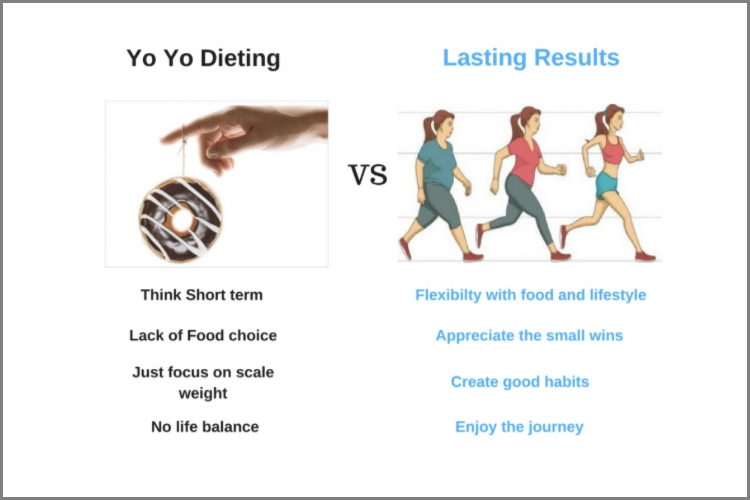
All commercial slimming programs inevitably force you to take up very low calorie diets (VLCD). Such diets invariably lead to calcium loss from bones, amongst multiple other nutritional deficiencies. If you are prone to take up starvation based low calorie diets off and on in a desperate attempt to lose weight, you are a prime candidate for osteoporosis. So stop such yo-yo dieting if you want to have healthy bones for a lifetime.

A high protein diet, excessive consumption of coffee and alcohol, smoking, stress, and depression also enhance calcium loss and slow down fresh rebuilding of bones, thus helping the development of osteoporosis. Caffeine in coffee and raised levels of the hormone cortisol in stress enhances calcium loss from bones.

People who have taken steroids for long periods for diseases like asthma or other allergies, also develop osteoporosis as steroids cause the body to lose calcium through the urine.

The threat of osteoporosis has increased multi fold during the Corona pandemic as we are home locked and get even less exposure to sunlight and may not get enough vegetables or drink enough milk to get sufficient calcium from our food.

Osteoporosis is undoubtedly a very grave disease that can be prevented simply by leading a healthy lifestyle from childhood. Which means that parents must have adequate knowledge about the dangerous disease which can be prevented or arrested but not completely reversed once it sets in.

So you must learn all about this illness and teach your children to eat healthy, play physical sports involving activities like running and climbing, get into the habit of exercising regularly and being happy and peaceful.

You must include ample skim milk, lots of green leafy vegetables, nachani (a cereal, also called ragi) and soya in your diet to ensure getting adequate calcium.

You can consult your doctor and discuss with him or her about whether you need calcium and vitamin D supplements. If you don’t get sufficient calcium in your food, you may be benefited by taking them.

Our body synthesizes vitamin D from sunlight. We also get it from food.

Our body builds a precursor of vitamin D under the skin with the help of cholesterol when exposed to the sunlight. Eventually the liver and the kidneys also play a role in the synthesis of vitamin D.

So ensure that you get adequate early morning sunlight to allow your body to build vitamin D without suffering from the damaging effects of strong sunlight. Five-minute exposure of your arms, legs and face to the morning sun, three to five days a week is adequate for most people to synthesize sufficient vitamin D.

The food sources of vitamin D are limited. Fatty fish oils, fatty fish, liver, eggs, and milk are the major sources of vitamin D. So you could consume milk every day, a couple of whole eggs a week (unless your doctor recommends not eating them to limit dietary sources of cholesterol) and fish to improve your supply of dietary vitamin D.

A whole egg four days a week would serve you nicely if your cholesterol is excellent, providing wide health benefits other than vitamin D. But you must avoid other sources of cholesterol, viz. non-vegetarian source foods, ghee, butter, and cheese on these days.

You may not get enough vitamin D if you do not have much exposure to sunlight. Barring milk, the food sources of the vitamin are not common foods. In such a case, it may be necessary for you to take vitamin D supplements. Ask your doctor about this issue.

Take up regular weight-bearing exercises. They help stop further bone loss and may help to build bone as you age. By improving your posture, balance, and flexibility, they also reduce your risk of falls that can break fragile bones. Exercise for at least 30 minutes three times a week. Take up antigravity exercises like walking, running, jogging, aerobics, hill climbing, stair climbing, tennis, football, basketball or volleyball and moderate weight training. Swimming doesn’t help in building healthy bones as your bones and muscles must work against gravity to do so.

A word of caution will not be out of place here. While taking up these exercises, don’t get carried away and damage your knees! Taking up knee strengthening exercises simultaneously is equally vital. We want strong bones as well as healthy knees.

So consult your doctor before taking up these exercises.

Read the articles ‘Can I Eat A Whole Egg?‘ and ‘Save Your Knees‘ on this site for more information.

Dangers Of Obesity

The Dangers Of Obesity!

The Diseases Associated With Obesity!

When I started my Slimming Centre in Pune, over three decades ago, the goal was not only to help people lose weight and stay slim and healthy for lifetime, but also to help them prevent putting on weight unnecessarily, during different stages of their lives and help them prevent or overcome all the diseases those are caused by obesity.

After all, staying slim is so much easier than losing weight, even if it has to be done in an excellent slimming centre.

Obese people are never fully healthy. Obesity and the faulty lifestyle associated with it, lead to a very wide range of diseases, some of them fatal.

The obese tend to be irritable, stressed out, depressed and may have poor self-esteem. Their energy levels are low and they tire quickly. There are pains and aches everywhere. A backache and joint pains are common. Spondylosis, prolapsed discs, osteoarthritis, osteoporosis, varicose veins, cholecystitis (inflammation of the gall bladder), and some hernias are prevalent in the obese.

High blood pressure, diabetes, coronary heart disease and cerebral strokes (paralysis) are frequently associated with obesity.

Amongst obese ladies PCOD, infertility, difficult pregnancies and labour, repeated abortions and complications during a caesarean section are common.

The obese are more prone to certain cancers.

They also are at a greater risk of complications during surgeries.

Abdominal obesity can lead to the dangerous triad of hypertension (high blood pressure), dyslipidemia (high levels of cholesterol and blood fats) and type-2 diabetes. These three together can lead to coronary heart disease, myocardial infarctions and also death.

So if you are obese, wake up and lose weight, or it’s going to destroy your health sooner than later!

Healthy weight loss can help prevent or reverse all the above grave diseases. And healthy weight loss is possible only if you slim down on normal, everyday food and exercises you can take up long term. That is the only way to lose weight and stay slim and healthy for a lifetime!

Hence the importance of choosing the right slimming centre!

Also read the article, Simple Steps To Slimming on this website.


Staying Slim And Healthy Through Lactation!

Staying Slim And Healthy Through Lactation!

Staying Slim And Healthy Through Lactation!

When I started my Slimming Centre in Pune, over three decades ago, the goal was not only to help people lose weight and stay slim and healthy for the lifetime but also to help people stay slim, during different stages of their lives.

After all, staying slim is so much easier than losing weight, even if it has to be done in an excellent slimming centre.

The commonest period when most ladies gain weight unnecessarily is around motherhood. We have already discussed how an expectant mother can stay slim and healthy through pregnancy in the article ‘Staying Slim And Healthy Through Pregnancy!’

Let us see now how a nursing mother can lose the few kgs of the extra weight that she still has, post pregnancy.

We have already seen in the above article that if a young lady goes through pregnancy properly, all the extra weight she needs to lose is 4 or 5 kg. Of these, one kg each is the extra blood volume that she needs during pregnancy, which the body will automatically correct soon, on its own and one kg is that of extra breast volume which is needed to support lactation, which the body will lose automatically once breastfeeding stops.

That leaves only 2 or 3 kg of fat which the body will burn off in the 7 or 8 months of breastfeeding as a ready source of energy in an emergency.

So this lady doesn’t really have to do much more than eat as per her needs of lactation and be physically active, to lose the remaining weight.

The extra energy required by a nursing mother would be about 400 to 500 calories, in the first 6 or 7 months of lactation and it would taper off when the demand for breast milk reduces as the baby is weaned off the maternal milk.

That means increasing small portions of cereals (chapati and rice) and pulses and legumes (dals and beans – ‘usal’), fresh vegetables and fruits and extra (3 or 4 cups) milk, in vegetarian ladies and consumption of moderate amounts of egg and fish and meat, in non-vegetarian ladies easily meets the increased calorie, protein and vitamin-mineral needs of the lactating mother.

She doesn’t need to eat too much.

Eating healthy, walking regularly and resting adequately throughout lactation, she will go through the period comfortably and slim down perfectly in the first 3 or 4 months post pregnancy, even without going to a slimming centre!

***

We have planned the nutrition and exercise and helped a large number of young ladies to stay healthy and fit and gain just the right amount of weight during pregnancy and slim down perfectly during lactation, not only in our Slimming Centre in Pune, but also all over the world, on our ‘Distance Program’.

While most of the obesity clinics or weight loss treatments in Pune or anywhere else rely on low calorie diets in one form or another to treat obesity, such treatments cannot help young mothers lose weight while still continuing to breast feed their babies successfully.

Also, read ‘Slim Women Are Healthy Women! and ‘Staying Slim And Healthy Through Pregnancy!’ on this website.