Uncategorized

Saturated Fats: Whole Milk, Ghee And Meats!

Effect Of Saturated Fats On Health!

It is well known by now that excess consumption of saturated fat and not cholesterol in foods that raise blood cholesterol and especially LDL cholesterol.

That is why many people are shunning saturated fats altogether.

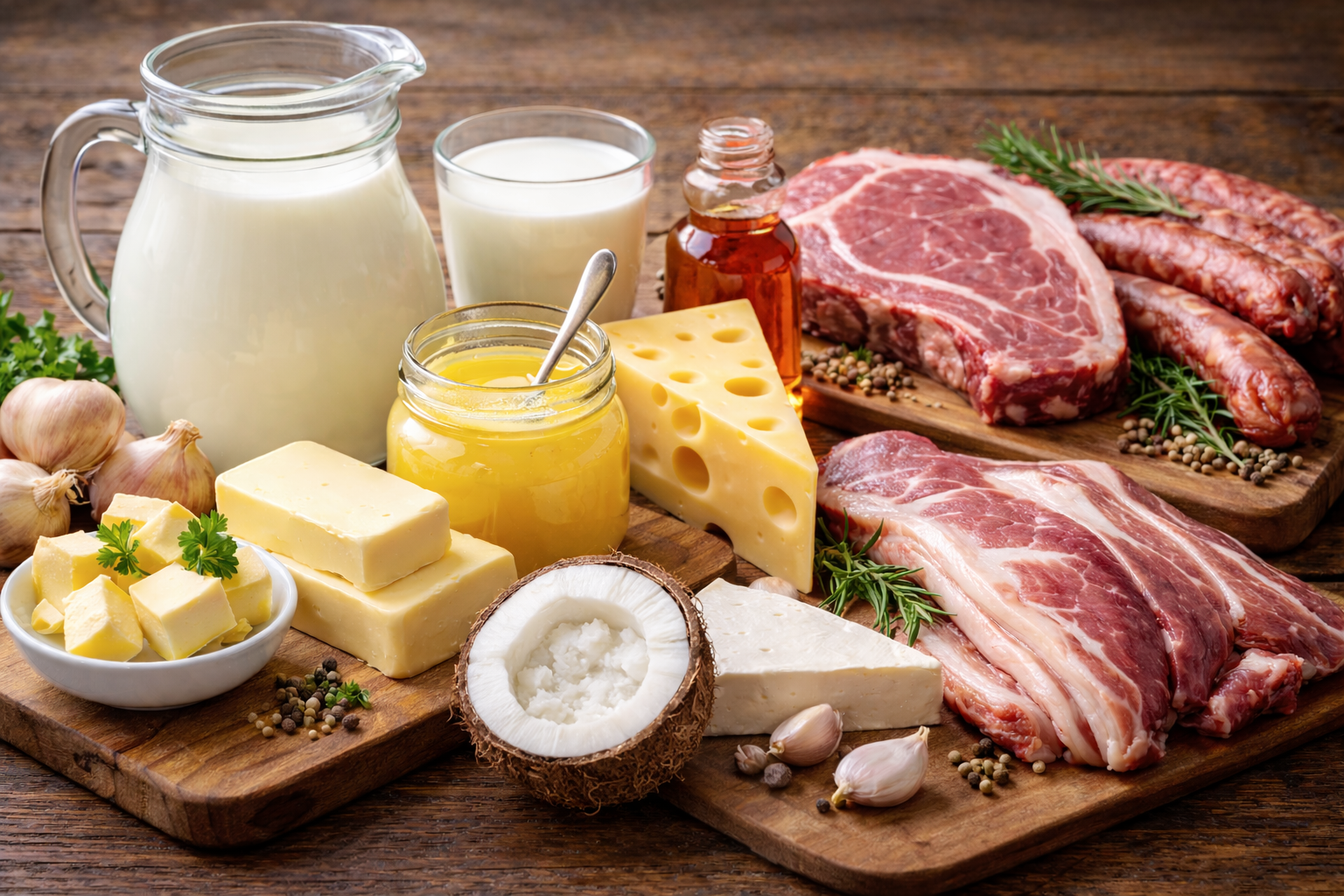
Saturated fats are found in foods like milk, curd, butter, ghee, cheese, coconut, meat, and eggs. 

They are also found in ultra- processed foods like bakery items, fried snacks, and processed meats.

They are usually solid at room temperature and add flavour and richness to food.

But not all saturated fats are identical.

The saturated fatty acids found in dairy differ in composition from those found in many meats. 

Milk fat contains a higher proportion of short and medium-chain fatty acids, as well as stearic acid, which has a relatively neutral effect on LDL cholesterol.

In contrast, red and processed meats tend to be richer in long-chain saturated fats like palmitic acid, which has a stronger LDL-raising effect.

This difference in fatty acid profile may partly explain why dairy fats often appear more neutral in population studies than meat-based saturated fats.

These fats tend to raise LDL (“bad”) cholesterol, while also raising HDL (“good”) cholesterol to a smaller degree. Because LDL often rises more, high intake of saturated fats can increase heart-disease risk in some people. 

However, this risk depends strongly on overall diet and lifestyle.

Saturated fats eaten as part of whole foods, such as dairy, appear to be less harmful than those in ultra-processed foods like bakery items, fried snacks, and processed meats. Portion size also matters, since many saturated-fat-rich foods are energy-dense.

The sensible approach is strict moderation. Saturated fat is not a ‘free fat’, meaning you can’t eat it without limit, but it does not need to be eliminated. Using small amounts of butter or ghee, while relying mainly on unsaturated fats and eating plenty of plant foods, and regular physical activity, fits well into a healthy diet.

In short: saturated fats are best enjoyed in strict moderation, as part of a balanced, whole-food diet and physical activity — not feared, and not overused.

When observational studies say:

‘Higher ghee intake was not associated with more heart disease’

It means:  

In real life, people who chose to eat ghee didn’t have more heart attacks.  

Not that ghee was proven harmless under controlled trials.

And saturated fats, including ghee reliably raise LDL in controlled trials.

Higher LDL means more atherosclerosis and more heart disease.

That distinction is exactly why guidelines about saturated fat consumption remain cautious.

The WHO recommendations aim for saturated fats to be no more than about 10% of your total daily calories, with lower targets of 6%, are recommended by some heart-focused groups for higher-risk individuals. 

The American Heart Association (AHA) too suggests aiming for around 6% of calories from saturated fat for heart health, which is more restrictive than the 10% guideline used in general nutrition advice. 

So in an 1800 calorie diet healthy people need no more than180 calories from saturated fat.

Each gm fat gives 9 calories 

So we need no more than 20 gm saturated fat in our diet.  

Whole milk, whole milk curds and butter and ghee have more saturated fat than meats.

It takes no more than 2–3 tablespoons of ghee or butter in a day to cross the 10% saturated-fat limit in our diet. 

Two cups of buffalo whole milk has 8 to 10 gm saturated  fat.

One tablespoon of ghee has 9 to 9.3 gm saturated fat.

One tablespoon of butter has 7.5 to 7.8 gm saturated fat.

Two tablespoons of cooking oil also has, on an average, 4.4 gm saturated fat.

One 100 gm bowl of chicken or meat curry  has approximately between 2 to 4.5 gm saturated fat,

depending upon which and how much cooking oil was used to cook it.  

Meaning, surprisingly in 50 g cooked, skinless meat, saturated fat is about 0.8 g in chicken, 1.8 g in goat meat, and 2.7 g in lamb meat.

So you can see how easy it is to consume saturated fat, in excess of the amount advised by authorities.

And excess consumption of saturated fat can raise LDL cholesterol and can increase the risk of heart disease.

Conclusion: Eat saturated fats in moderation in a balanced diet, which includes whole grain cereals, pulses, vegetables and fruits and stay physically active!

Related articles

‘Basics Of Nutrition’

‘The Good And The Bad Fats’


Effect Of Whole Milk And Ghee On Heart Health!

How Safe Are Whole Milk And Ghee For Heart?

For many years, fats from milk, butter, and ghee were placed firmly in the “bad for the heart” category. The reasoning sounded straightforward: these foods are rich in saturated fat, saturated fat raises LDL or “bad” cholesterol, and higher LDL increases the risk of heart disease. On this basis, full-fat dairy gradually fell out of favor, and traditional fats like ghee were often viewed with suspicion.

But as nutrition science has evolved, this simple cause-and-effect story has become less convincing. Large observational studies following thousands — sometimes hundreds of thousands — of people over many years have repeatedly failed to show a clear increase in heart attacks or strokes among people who consume dairy fats. Whether it is milk, curds, butter, or even ghee, the expected rise in cardiovascular disease simply does not appear consistently in real-world populations.

Many studies have also found that people eating whole-fat dairy products are leaner and have lower levels of body fats.

This is probably due to the better satiety conferred by whole-fat dairy products, preventing people from overeating.

This does not mean saturated fat has no biological effect. In controlled feeding studies, saturated fats do raise LDL cholesterol, and LDL remains an important risk factor for atherosclerosis. What the newer evidence suggests, however, is that foods cannot be judged by a single nutrient in isolation. We do not eat “saturated fat” on its own; we eat whole foods. Dairy fat comes packaged with proteins, calcium, fat-soluble vitamins, and a complex mix of fatty acids, all of which influence how the body responds. This helps explain why theoretical risks do not always translate into actual disease outcomes.

It is also important to understand that not all saturated fats are identical. The saturated fatty acids found in dairy differ in composition from those found in many meats. Milk fat contains a higher proportion of short- and medium-chain fatty acids, as well as stearic acid, which has a relatively neutral effect on LDL cholesterol. In contrast, red and processed meats tend to be richer in long-chain saturated fats like palmitic acid, which has a stronger LDL-raising effect. This difference in fatty acid profile may partly explain why dairy fats often appear more neutral in population studies than meat-based saturated fats.

Ghee deserves special mention in this discussion, particularly in the Indian context. For generations, ghee has been part of everyday cooking, religious rituals, and traditional health practices. Older generations consumed ghee regularly, yet widespread heart disease was not the norm. This was not because ghee was magical, but because it was used sparingly, within diets rich in vegetables, legumes, whole grains, and physical activity.

The modern problem arises when ghee is consumed generously on top of calorie-dense, low-fiber diets and sedentary lifestyles. In such settings, ghee — being almost pure fat — can contribute to excess calorie intake and higher LDL cholesterol, especially in people who are already metabolically vulnerable. The issue, therefore, is not ghee itself, but context and quantity.

Current evidence supports the view that ghee is neither heart toxic nor heart healthy. In small amounts, as part of a wholesome diet, it is unlikely to pose a significant risk for most healthy individuals. Those with elevated LDL cholesterol, diabetes, or established heart disease should be more cautious and keep intake modest, favoring unsaturated fats more often.

In observational studies, in real life, people who chose to eat ghee didn’t have more heart attacks

Neither was ghee proven harmless under controlled conditions meaning experimental studies.

That distinction is exactly why guidelines remain cautious: don’t overdo ghee!

Ultimately, heart health is not decided by a spoonful of ghee. It is shaped by the overall pattern of eating, physical activity, body weight, stress, and long-term habits. Respecting culinary tradition while applying modern scientific understanding leads to the same conclusion again and again: moderation, not fear, is the wisest approach to dietary fats — including ghee!

So the verdict is: Healthy people can eat ghee moderately if they eat balanced nutrition rich in vegetables, legumes, whole cereals and fruits and are physically active. People elevated LDL cholesterol, diabetes have to be cautious about eating ghee!

Related articles:

‘Basics Of Nutrition’

‘The Good And The Bad Fats’

Beliefs And Disbeliefs About Proteins In Vegetarian Food!

Facts And Myths About Proteins In Vegetarian Food!

There is a growing fear, especially amongst vegetarians these days that their diets are deficient in proteins and that unless they count proteins in their food in grams and add protein supplements to their diets, they are somehow lacking in proteins. 

Yet, if we pause and look at how Indian meals have traditionally been eaten, a different picture emerges.

Proteins in Indian vegetarian diets have never come from one single ‘high-protein’ food. Instead, it quietly shows up across the day – through pulses and cereals, milk and its products viz. curds and buttermilk. Groundnuts and other nuts include dry fruit nuts also provide proteins.

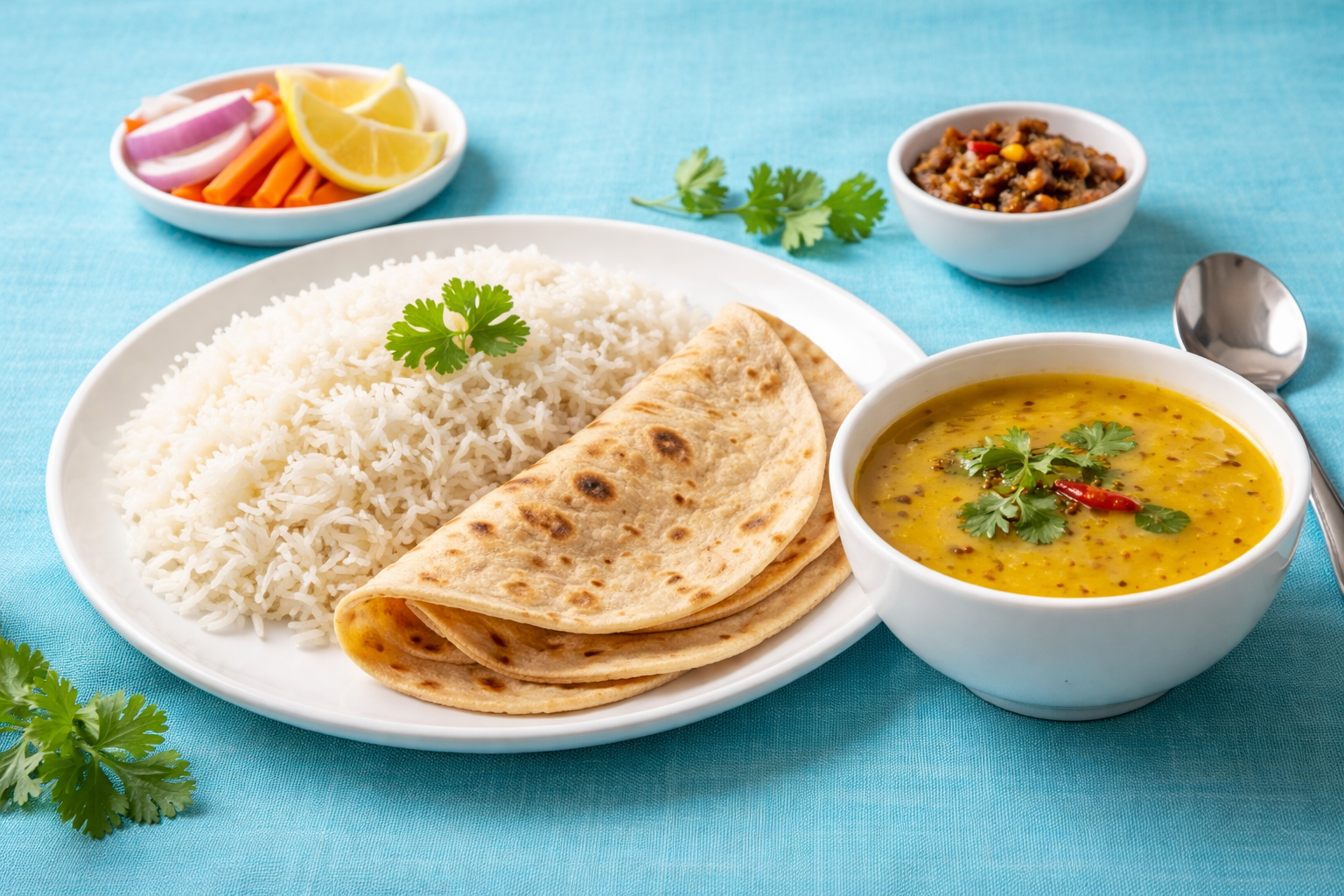
What makes Indian food particularly effective is how naturally it combines foods. Dal with rice, dal with roti, idli with sambar, rice and mug (or other dals) in khichadi, idli with sambar, dosa with sambar—these are not just comfort foods. Cereals and pulses complement each other’s amino acids and together provide proteins of high quality, allowing the body to use their proteins more efficiently. No calculations are required; the combination itself does the work.

A simple way to think about protein is to look at your plate. If a reasonable portion of your meal includes dal, legumes, cereals and milk products, nuts, or seeds, and you eat such meals two or three times a day, your protein needs are usually taken care of. This is how major Indian meals have always been structured.

It is also worth remembering that more protein is not always better. Beyond a certain point, extra protein does not turn into extra strength—it simply becomes excess. Very high protein intakes are needed only in special situations such as intense sports training or medical recovery, not in everyday life.

The body cannot handle excess proteins too well.

Excess proteins increase the acid load in the body. This puts greater work load on the kidney, the bones and the liver. Calcium is drawn out of the bones. This weakens them and may cause fractures. It can also lead to formation kidney stones and kidney damage.

High protein diets are also high in saturated fats, cholesterol and calories. This can also lead to heart disease and certain cancers.

For most people, protein deficiency does not occur because the diet is vegetarian. It occurs when meals are skipped, portions are too small, or food variety is lacking. A regular, balanced Indian vegetarian diet has sustained generations with good health and functional strength.

Perhaps the simplest truth is this: in Indian food, protein does not need to be counted—it needs to be consistently present. And when traditional foods are eaten mindfully, it almost always is.

***

Here are calories and proteins supplied by our common foods:

Chapati made from 35 gm wheat flour:

Calories 120, proteins 4 gm.

Chapati made from 50 gm wheat flour:

Calories 170, proteins 6 gm.

Bhakri made from 70 gm jowar / bajri flour:

Calories 240, proteins 7 to 8 gm.

Bhakri made from 100 gm jowar / bajri flour:

Calories 340, proteins 12 gm.

Cooked rice 1 wati (100 gm) 

Calories 130, proteins 2.5 gm.

Amti / varan / dal 1 wati (100 gm) 

Calories 90 – 100, proteins 6 – 7 gm.

Usal cooked 1 wati (100 gm) 

Calories 120 – 140, proteins 8 – 9 gm

Cooked vegetables (non – leafy) 1 wati (100 gm) Calories 40 – 60  proteins 1.5 – 2.5 gm

Cooked vegetables (leafy) 1 wati (100 gm) Calories 25 –  35  proteins 2 – 3 gm.

Home skimmed buffalo milk 1 cup (180 ml) Calories 90 – 95, proteins 6.5 – 7 gm

Home skimmed cow milk 1 cup (180 ml) Calories 65 – 70, proteins 6 – 6.5 gm.

Pohe 1 wati (100 g cooked): 

Calories 130 – 150 Calories and proteins 2.5 – 3 gm.

Upama 1 wati (100 g cooked): Calories 140 – 160 and proteins  3 – 3.5 gm.

Thalipith (100 g cooked, mixed cereal–pulse flour): 

Calories 210 – 230 and proteins 6 – 7 gm.

Amboli / Ghavan (100 g cooked, rice-based): 

Calories 160  – 170 kcal and proteins 3 – 3.5 gm.

Idli (2 home standard-size idlis): 

Calories 120 – 130 and proteins 4 – 4.5 gm.

Dosa (made from batter equivalent to 2 idlis, plain): 

Calories 150 – 170 and proteins 4 – 5 gm.

From this you can easily calculate your total protein consumption in your daily food.

Related article

‘Protein Sufficiency In Vegetarian Diets’.

Carbohydrates Are Essential to Human Nutrition!

There Is No Reason to Fear Them!

Carbohydrates have become one of the most misunderstood components of modern diets. Whole grains cereals, pulses, fruits and vegetables — foods that have nourished human populations for centuries — are now approached with suspicion. Rice is questioned, chapatis are avoided, and even fruits are consumed with guilt.

This is paradoxical, given that human diets across cultures and history have been centred on carbohydrate-rich foods. The fear surrounding carbohydrates appears to stem less from nutrition science and more from concerns about weight gain, diabetes and declining health.

Carbohydrates are not merely sources of calories. They are the body’s natural, preferred and primary source of energy. The brain, nervous system and muscles rely on glucose for optimal function. When consumed in appropriate amounts, carbohydrates are used first for energy. They are converted into body fat only when total energy intake consistently exceeds requirements — just as excess fats and excess proteins are also stored as fat. This represents normal human metabolism.

Much of the confusion arises from failing to distinguish between whole, minimally processed carbohydrates and refined carbohydrate-rich foods. Whole grains, pulses, fruits and vegetables digest slowly, provide dietary fibre, promote satiety and help regulate appetite. Refined foods such as sugar, refined flour products, sweets, sugary beverages and bakery items digest rapidly, cause sharp rises in blood glucose and promote overeating and weight gain. The metabolic harm caused by refined foods is often wrongly attributed to carbohydrates as a whole.

Another common misconception is that cereals are “carbohydrates” and pulses are “proteins”. In reality, both contain a much higher proportion of carbohydrates than proteins. Cereals typically contain 7 to 12 percent protein and 50 to 80 percent carbohydrates, while pulses contain about 21 to 25 percent protein and 55 to 65 percent carbohydrates.

Proteins from pulses are not complete proteins in isolation. Traditional dietary patterns addressed this by combining cereals and pulses, allowing their amino acid profiles to complement each other and form high-quality, complete proteins comparable to those from animal sources. Excluding cereals leaves pulse proteins incomplete, making the cereal–pulse combination nutritionally essential, particularly in vegetarian diets.

Carbohydrates do not inherently cause weight gain. Traditional diets were carbohydrate-rich, yet obesity was uncommon. Weight gain results from a sustained imbalance between energy intake and expenditure, irrespective of whether excess calories come from carbohydrates, fats or proteins. The rise in obesity corresponds not to increased consumption of rice or wheat, but to refined foods, added sugars, excess fats, frequent snacking, higher intake of animal foods in some populations and reduced physical activity.

Even in diabetes, the solution lies not in eliminating carbohydrates, but in selecting appropriate carbohydrate sources and consuming them in sensible portions. Whole grains, pulses, fruits and vegetables elicit very different metabolic responses compared to refined foods.

Carbohydrates become increasingly important with ageing, as they provide sufficient energy to preserve muscle mass by sparing dietary and body proteins for repair and maintenance rather than energy production. Once again, the cereal–pulse combination provides complete protein without reliance on animal foods.

Rather than asking whether carbohydrates are “good” or “bad”, a more meaningful question is which carbohydrates, in what quantity, and how often. Whole grains, pulses, vegetables, fruits and minimally processed foods have always formed the foundation of healthy diets. 

There is no nutritional justification for fearing them today. 

Related articles,

‘Basics Of Nutrition’

‘Carbohydrates Don’t Make Us Fat’

The Power of Pulses And Their Synergy With Cereals!

Protein Complementation Of Pulses And Cereals!

Pulses have long been the backbone of traditional Indian diets, quietly supplying wide ranging nourishment including ample proteins, long before the term “plant protein” became fashionable.

Dals or split pulses like moog (green gram), toor (pigeon pea), chana (chickpeas), udid (black gram), masur (lentils), whole moog, chana, masur (lentils)), matki (moth beans) chavli (black eyed peas or cowpeas), rajma,  (kidney beans), soya are all pulses.

They are rich sources of proteins, complex carbohydrates, dietary fibre, and essential micronutrients such as B-complex vitamins—especially folate (B9), thiamine (B1), niacin (B3) and vitamin B6—with moderate amounts of riboflavin (B2), pantothenic acid (B5) and biotin (B7), minerals like iron, magnesium, and potassium.

They are not a good source of fat soluble vitamins A, D, E, K.

They are naturally low in fat (except soya), have a low glycemic load, and support gut health—making them especially valuable in vegetarian populations.

Pulses are often described as providing “incomplete protein,” as they are deficient in some essential amino acids. 

Amino acids are the building blocks of proteins.

Our body needs all amino acids to be healthy. It can build some of them from other amino acids, but not all. Those it cannot build itself, have to come from food. These amino acids are called essential amino acids.

Pulses are particularly rich in lysine but are relatively low in sulphur-containing amino acids such as methionine and cysteine, and in some cases may also be modest in tryptophan.

Cereals such as rice, wheat, jowar, nachani, bajra and oats show almost the opposite pattern. They are low in lysine but provide methionine and cysteine in useful amounts and also contribute adequate tryptophan. When pulses and cereals are eaten together, their amino acids gaps neatly fill each other, resulting in a protein of much higher biological value, comparable in quality to animal proteins. This mutually beneficial interaction of amino acids of pulses and cereals is known as ‘protein complementation’.

Traditional Indian food habits have followed this principle for centuries, without any formal knowledge of nutrition science. Dal with rice, dal with chapati, moog and rice khichadi, rajma-chawal, chole-roti, idli, and dosa are all classic examples of cereal–pulse combinations that deliver complete protein in an affordable and culturally natural way. Importantly, the two foods can be consumed in the same meal or even the same day and it is sufficient for the body to utilise their amino acids efficiently.

Thus we can see that pulses are the chief protein source of the body and cereals provide only around half of their proteins, but the proteins in pulses are incomplete without the cereal proteins.

While the animal source proteins are more complete proteins than the pulses, the presence of saturated fats and cholesterol in them make them less heart friendly.

That is why many in the Western world are turning to vegetarianism.

In today’s context, this synergy between pulses and cereals is more relevant than ever. It allows vegetarian diets to meet protein needs without excessive reliance on dairy or supplements, supports muscle maintenance, immunity, enzymes, and hormones, and remains heart-friendly and sustainable. 

What modern nutrition science explains in textbooks is something traditional Indian meals have quietly practised on the plate for generations.

So, to make our food nutritionally completely balanced, we must have cereals (chapati, rice, bhakri) and pulses (varan, amti, dal, sambar, usal) together in the major meals.

And we must also add milk, fruits, vegetables to our diet and use moderate amounts of the right cooking oil to cook the food.

Related article

‘Basics Of Nutrition’

The Concept Of Eating By Colour!

Eating The Rainbow!

‘Eating by colour’ or ‘eating the rainbow’ is a simple but powerful concept of including a wide range of colourful vegetables and fruits in our daily food.

They provide us with a wide range of invaluable vitamins, minerals, antioxidants, phytonutrients and fibre.

They also provide satiety at the cost of very few calories, thus keeping our food low calorie and help us lose weight and stay slim.

Phytonutrients are natural plant compounds that give plant foods their distinctive colour, aroma, and flavour, and offer us wide protective health effects.

Here are some of the plant foods of various colour, the antioxidants and phytonutrients they provide and their health benefits.

*

Red foods like tomatoes, watermelon, red peppers, strawberries, cherries, beetroot are rich in lycopene and anthocyanin.

They protect our heart, blood vessels and prostate and also protect us from some cancers.

*

Orange and yellow foods like turmeric, carrots, oranges, pumpkin, mango and papaya are rich in beta-carotene, curcumin, lutein, zeaxanthin, flavonoids and Vitamin C.

They protect our eye health and vision, strengthen immunity and support skin health and collagen formation.

*

Green foods like all green leafy vegetables like spinach, fenugreek, green amaranth or chavlai, kale, broccoli, coriander, peas are rich in chlorophyll, indoles, isothiocyanates, lutein and folate.

They support bone, eye, liver and cardiovascular health and protect us from cell damage and certain cancers and detoxify our body.

*

Blue and purple foods like blueberries, black grapes, purple cabbage, Indian blackberry or jambhul, plums, eggplant or brinjal are rich in anthocyanin, resveratrol.

They support heart health and circulation, slow down aging and improve memory and brain function.

*

White and brown foods like garlic, onion, mushroom, cauliflower, oats, bananas, ginger are rich in allicin, flavonoids, selenium and lignan.

They lower cholesterol and blood pressure, strengthen immunity and have antibacterial and antiviral properties.

***

Overall health benefits of colourful foods:

They provide wide range of micronutrients and prevent their deficiency.

Different fibre in them improve gut health by nurturing different beneficial gut bacteria, help reduce cholesterol and blood sugar.

Wide ranging antioxidants neutralise different free radicals, prevent chronic diseases and boost immunity.

Improve metabolic health by helping manage weight and blood sugar better.

Help prevent chronic diseases by lowering inflammation and oxidative stress.

***

How to eat them:

Try to include four to five helpings of colourful food every day.

Eat a wide variety even in the same colour group to get widest variety of micronutrients.

Eating whole fruits without exposing cut fruits to air and light long and lightly cooking or steaming colourful vegetables preserves micronutrients in them.

Eat whole fruits, they are better than drinking even fresh home made fruit juices. Avoid packaged, commercial fruit juices.

Related articles

‘Magical Health Benefits Of Fruits’

‘Healthy Fruits For Diabetics And Over Weight People’

Can Diabetics Drink Milk?

Yes, Most Diabetics Can Drink Milk!

Milk does not worsen diabetes!

Most diabetics need not give up milk!

Since ancient time, different sections of society have been strongly advocating against using milk as part of adult food, majorly for religious reasons.

Today many social media pundits strongly advocate against drinking milk.

Some commercial diabetes reversal programs treating people on mass scale and not individually, completely banish milk from the diets of diabetics.

***

Is there any strong scientific evidence that milk worsens sugar control and type 2 diabetes?

No, researchers have not found any strong evidence that milk worsens blood sugar control or diabetes.

In fact, most scientific studies tend to show neutral to even beneficial effects of milk on blood sugar levels of diabetics.

Research has shown that milk can in fact blunt blood sugar spikes after a high carbohydrate meal.

The two proteins in milk, casein and whey, contribute to this phenomenon.

Casein slows down the passage of food from stomach to the small intestine, that is gastric emptying, thereby slowing down the absorption of sugar in the blood and thus dampens the blood sugar spike.

Whey on the other hand has an insulin stimulating effect, thereby increasing insulin production in pancreas and helps lower post meal blood sugar.

Studies have also shown that inclusion of low fat milk and milk products or dairy in diets helps reduce visceral fat, insulin resistance, abdominal circumference and weight.

Studies have also shown similar results on full fat milk and dairy, probably because the satiety provided by the milk fats prevents munching in between meals.

Some studies have also shown that regular consumption of low fat milk and dairy, viz. curds, yogurt, buttermilk and paneer is associated with reduced risk of developing type 2 diabetes.

In fact high fat dairy was also seen in a long term study to have reversed pre diabetes and it wasn’t found to have worsened diabetes.

But it is always safer to drink low fat milk than full fat milk.

A large number of studies have shown that consumption of low fat milk has proved beneficial in preventing or controlling Type II diabetes. The abundance of calcium and magnesium as well as low glycemic index of milk are thought to be the cause of this effect.

***

While this is true, it is also true that some people may show blood sugar spikes after milk, especially when taken on empty stomach, possibly due to the lactose in milk.

These people can observe how their blood sugar responds to milk on empty stomach and when taken with food, so they can take or avoid milk as per how their body responds to milk. 

But the rest of the diabetics needn’t shun milk as it has vast benefits for your general health.

In short, milk does not worsen sugar control and diabetes in more people than otherwise.

In fact, we have seen that the milk proteins blunt sugar spikes after a high carbohydrate meal.

Some studies have also shown neutral to mildly positive effects of milk on fasting blood sugar and HbA1c.

***

Bottom Line

Generally, milk does not worsen glucose control, and in many cases, it may even help blunt post meal blood sugar spikes, thanks to its protein and nutrient profile.

Long-term outcomes like fasting glucose and HbA1c show mixed but mostly neutral-to-slightly positive trends.

Individual responses vary, some people, especially on an empty stomach or those sensitive to lactose, might experience noticeable glucose spikes.

***

Clinical experience:

My own clinical experience helping diabetic patients get slim and healthy and control their diabetes better, at my Obesity Clinic in Pune or on my Weight Loss Treatment in Pune and all over the world, on balanced nutrition including ample low fat milk and regular walks of six km or more, has been excellent.

Everyone without exception, showed much better diabetes control, also because people under my care walked regularly and lost substantial weight.

Multiple studies confirm my experience that losing weight to reach their optimum weight can help many diabetics to substantially lower their drug dosage and insulin, some even to get rid of it and some to even go into complete remission.

Most of them have either been lacto – vegetarians or ate non vegetarian food once or twice a week.

The only source of vitamin B12 in their food is milk in pure vegetarians and still the major source of it also in the mix food habit people.

Also being the major source of top quality protein, calcium and magnesium and the B vitamins and the fat soluble vitamins A, D, E and K, although skimming milk removes the fat soluble vitamins from the whole milk, milk is an invaluable component of balanced nutrition that the diabetics can ill afford to miss out on, if milk doesn’t cause blood sugar spike in them.

***

Conclusion 

Whether a diabetic should consume milk or not, should be determined individually by the patient and his or her doctor, based upon individual responses to milk consumption.

Not many diabetics will need to forgo the vast health benefits of milk by avoiding it.

Related article:

‘Magical Health Benefits Of Milk’

Protein Sufficiency In Vegetarian Diets!

Lacto-Vegetarian Diets Are Not Protein Deficient!

There are plenty of myths about proteins in vegetarian diets.

A common belief is that the there are not much proteins in vegetarian foods.

Many vegetarians are worried about the protein sufficiency of their diet. 

Some of them even turn to protein supplements like protein powders, whey protein powders and some even try to become eggetarians meaning adding eggs to their diet, albeit forcibly.

***

What is the truth? 

These fears are totally unfounded and vegetarians needn’t worry about any protein insufficiency of their diet, especially if they are lactovegetarian.

A balanced lactovegetarian diet can be as good in protein sufficiency as any omnivorous diet.

The three major protein sources of lactovegetarian diet are milk and a combination of pulses and cereals.

Nuts and seeds are also good sources of proteins and good fats, but since they are high in fats, they are also high in calories, and you can’t consume them in large quantities if you are watching your weight.

Milk of course is a complete protein providing all the nine essential amino acids.

Pulses and legumes and whole grain cereals provide ample proteins in vegetarian diet.

It is true that cereals and pulses individually do not provide the full range of all the nine essential amino acids.

Cereals lack lysine while pulses lack methionine, tryptophan and cysteine.

But cereals have methionine, tryptophan and cysteine and pulses have lysine.

Thus when taken together, cereals and pulses provide all nine essential amino acids and become complete proteins.

Also the body does not need all essential amino acids in a single meal, it can build the full range even if it gets all the essential amino acids in adequate amounts spread over the day in all meals.

And in an Indian diet, we always combine cereals and pulses in the same meal, viz. chapati, rice, bhakri (all three cereals) with dal / amti / varan / sambar / usal (all pulses). Idli, dosa are made with udid dal (pulse) and rice (cereal) and eaten with sambar (pulse).

***

How much proteins do we need?

We need 0.8 gm of proteins per kg body weight.

So a 60 kg adult needs 48 gm protein daily.

Here it is important to understand that the calculation is based on the ideal height for the given height of a person and not the actual weight of an over weight or obese person.

So if a person whose ideal weight is 60, but he actually weighs 80 kg, he won’t need much more that 48 kg proteins, but not any way closer to 64 kg.

So don’t calculate your protein requirements on your actual weight, but calculate it on your ideal weight, if you weigh much more than your ideal weight.

***

How much protein does a lactovegetarian diet provide?

Two glasses of buffalo milk (500 ml) provide 20 to 21.5 gm of proteins 

Two glasses of cow milk (500 ml) provide 16 to 17 gm of proteins

One bowl (100 gm) of buffalo milk curds provides 4.1 to 4.3 gm protein

One bowl (100 gm) of cow milk curds provides 3.2 to 3.4 gm protein

Four chapatis (made from 100 gm dry wheat flour) provide 12 gm of protein

Two bowls (200 gm) cooked rice provide about 5 gm of protein

Two bowl (200 gm) dal or usal provide 12 to 16 gm proteins

Vegetables and fruits, though low in proteins, still can contribute 1.5 to 2 gm protein per 100 gm, meaning they too can contribute over 5 gm protein if taken adequately.

So it is not too difficult to exceed 50 gm or more, of proteins, from a balanced vegetarian diet.

And as long as we eat a wider variety of protein sources, our body can easily assemble complete proteins from the available amino acid pool.

Lactovegetarians who consume half a litre of milk also get their recommended dietary allowance (RDA) of Vitamin B12.

***

Conclusion: Protein anxiety of vegetarians is totally unfounded

Lacto-vegetarians who consume a variety of whole foods, pulses and legumes and whole grain cereals, and dairy, fresh vegetables and fruits have no reason to fear protein deficiency or their overall health.

In fact, they have better intestinal health, lower risk of chronic diseases like hypertension, type 2 diabetes, heart disease and strokes and some cancers and healthier blood and weight profiles.

The idea that vegetarians must struggle to meet protein needs is not supported by current nutritional science.

So stop worrying and focus on eating a wider variety of whole foods and low fat dairy, your protein requirements will automatically be taken care of!

Pure vegans, who don’t consume milk, of course will struggle a little to get enough proteins. They of course do not get any Vitamin B12 in their diet, they have to take it as a supplement.

Also read the article ‘Basics Of Nutrition’ on this website.

Interrelationship Between Visceral fat, Inflammation And Metabolic Syndrome!

The Cluster Of Visceral Fat, Inflammation And Metabolic Syndrome!

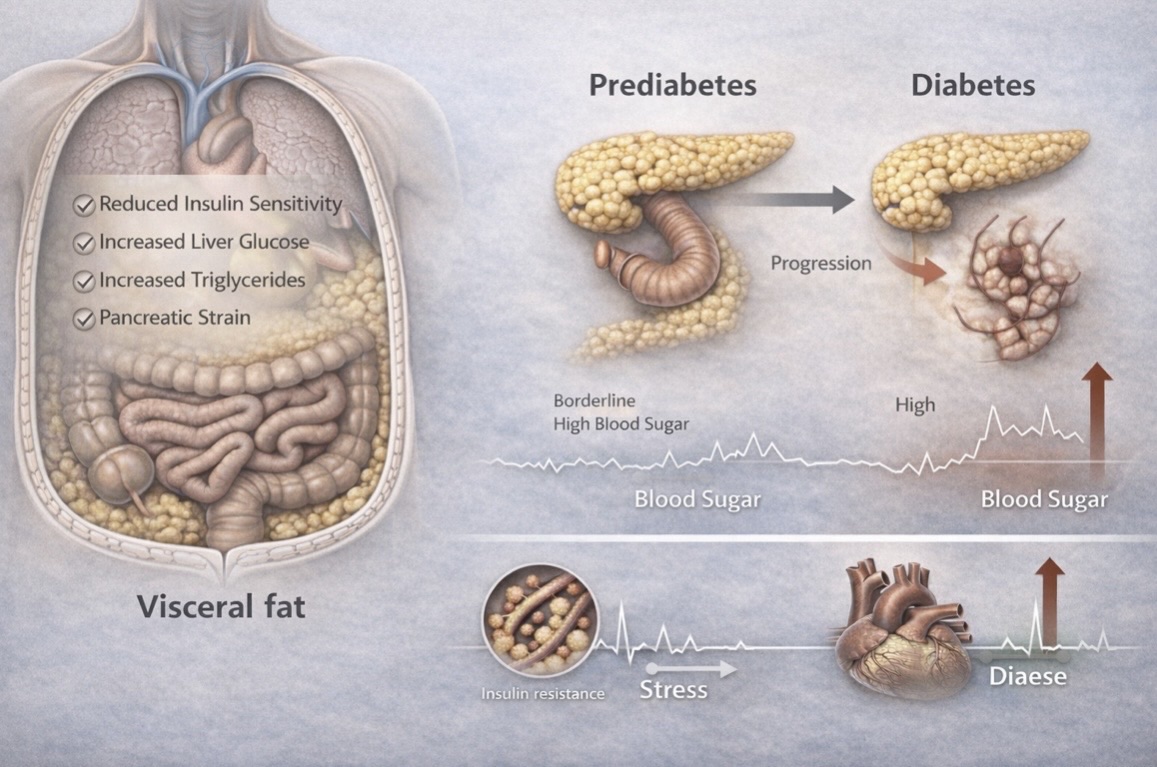
The interrelationship between inflammation, excess visceral fat, and metabolic syndrome is central to understanding many chronic diseases, especially those involving the heart, blood sugar regulation, and lipid balance. Here’s a clear breakdown of how these three are interconnected.

***

Visceral Fat as a Source of Chronic Inflammation

Visceral fat (fat stored around internal organs, especially in the abdomen) is biologically active.

It secretes pro-inflammatory cytokines, such as:

TNF-α (Tumour Necrosis Factor alpha)

IL-6 (Interleukin-6)

These compounds create a state of chronic low-grade inflammation in the body, unlike the acute inflammation seen in infections or injuries.

***

Inflammation Promotes Insulin Resistance

Chronic inflammation interferes with insulin signalling pathways.

Cytokines like TNF-α disrupt insulin receptors, making body cells less responsive to insulin.

This is a key mechanism in the development of insulin resistance, a hallmark of metabolic syndrome.

***

Metabolic syndrome is cluster of following conditions and it creates hypertension, type 2 diabetes, heart disease, strokes, and also diseases like fatty liver and PCOS in ladies and increases the risk of developing some cancers.

Metabolic Syndrome and Its Inflammatory Roots

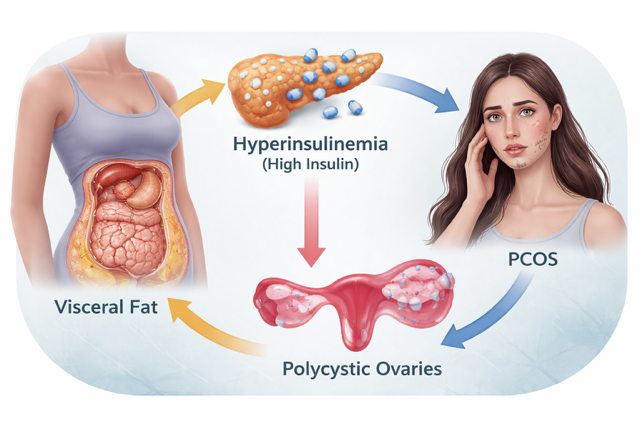
It also increases the risk of development of fatty liver disease and in women, polycystic ovarian syndrome or PCOS.

These conditions include:

High waist circumference (central obesity / visceral fat)

High blood pressure

Insulin resistance (high fasting blood sugar)

High triglycerides

Low HDL (good) cholesterol

Chronic inflammation exacerbates these conditions and metabolic syndrome and they in turn fuel more inflammation, creating a vicious cycle.

***

Diagnostic Clues

Assessment of visceral fat

It can be done by measuring the waist circumference and by using the body composition scans.

Waist circumference of over 37 inches (94 cm) in Indian men and above 31.5 inches (80 cm) indicate presence of excess visceral fat in the abdomen.

CRP (C-reactive protein) is elevated due to inflammation.

Elevated hs-CRP (high-sensitivity C-reactive protein) is a marker of inflammation linked to metabolic syndrome.

Levels of hs-CRP above of 1 mg/L indicate moderate inflammation and over 3 mg/L indicates significant levels of inflammation and indicates increased risk of developing diabetes and heart disease.

***

Breaking the Vicious Cycle

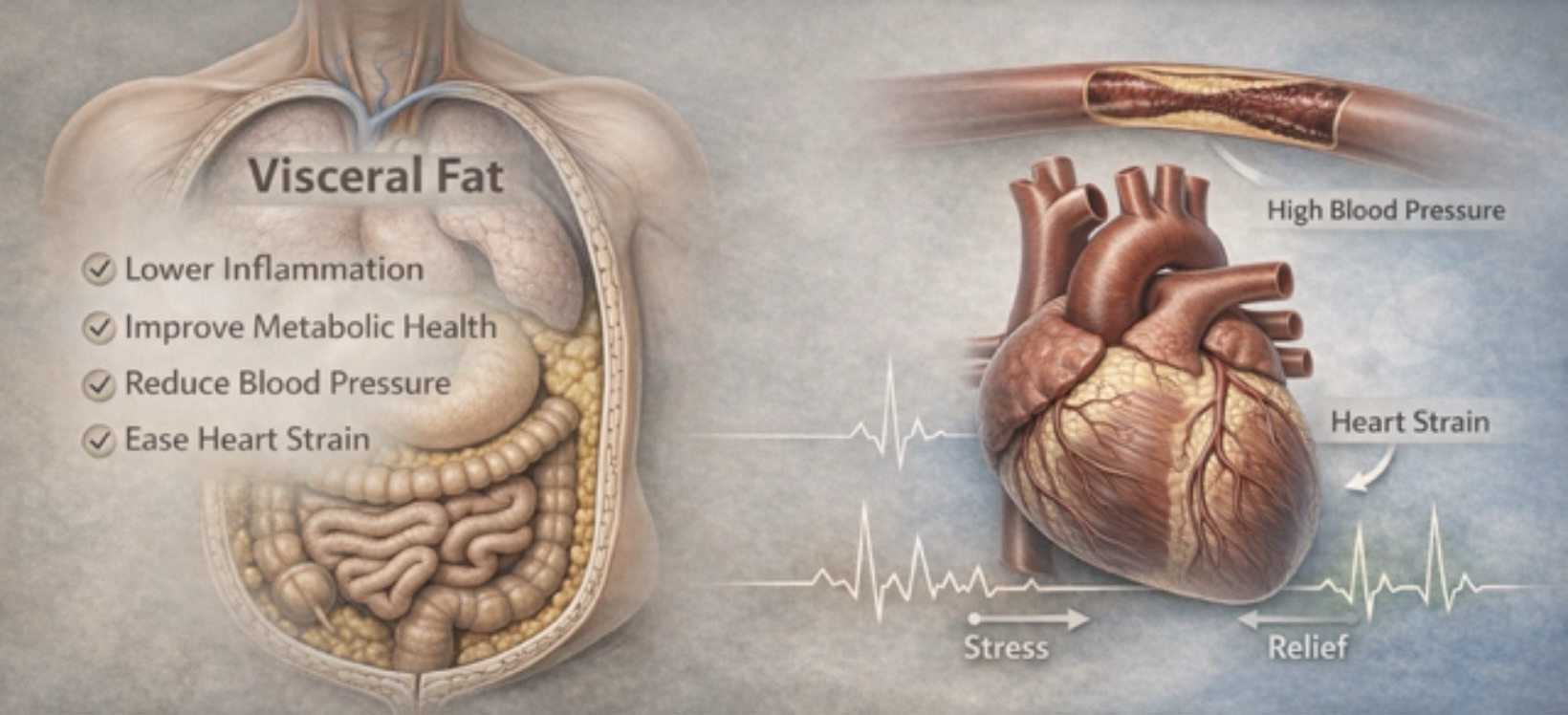
Losing weight helps reverse abdominal obesity and this helps reduce inflammation.

Adapting an anti inflammatory diet made up of whole grain cereals and pulses, fruits and vegetables, low fat milk and sea fish if possible (a diet rich in fiber, antioxidants and lean protein and omega-3 fats) helps.

Cardiovascular exercise helps reduce visceral fat and inflammation.

Medications like metformin or statins prescribed by doctors may help in some cases.

Also read the articles ‘Abdominal Obesity, Diabetes And Heart Disease’, ‘Acute And Chronic Inflammation’ and ‘Metabolic Syndrome’.

Metabolic Syndrome!

The Cluster Of Conditions That Define Metabolic Syndrome!

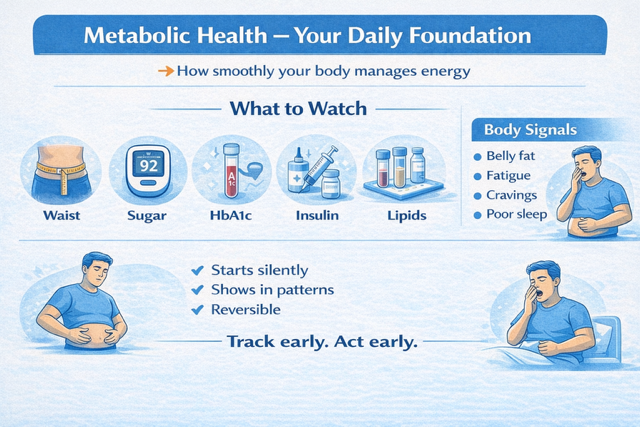
Metabolic syndrome is a cluster of conditions that occur together, increasing your risk of heart disease, stroke, and type 2 diabetes.

It is also associated with fatty liver disease and PCOS or polycystic ovarian syndrome.

It is not a single disease but a group of risk factors.

These include the following five conditions, abdominal obesity, high blood pressure, insulin resistance, high blood levels of triglycerides and low levels of HDL (the good) cholesterol.

A person having three of these five conditions is said to be suffering from metabolic syndrome.

***

Key Components of Metabolic Syndrome:

Abdominal obesity:

Waist circumference of more than 90 cm (35.4 inches) in Indian men and 80 cm (31.5 inches) in women is considered to be abnormal obesity.

Waist measurement has to be taken with the tape placed horizontal at the mid point between the lowest point of the last thoracic rib and the highest point of the iliac crest or the hip bone, this level generally coincides with a point about one inch above the navel (umbilicus), but the position of the navel can vary in grossly abdominally obese persons.

High blood pressure:

Blood pressures greater than 130/85 mm Hg, or on treatment for hypertension

Insulin resistance:

Very broadly speaking, fasting blood sugar levels being higher than normal  (70 to 99 mg/dL or 3.9 to 5.5 mmol/L)  in spite of fasting insulin levels being high (normal 2 to 25 miU/L) indicates  insulin resistance.

High triglycerides:

Blood triglycerides levels of 150 mg/dL (1.7 mmol/L) or higher, or people on treatment for high triglycerides.

Low HDL (the good) cholesterol:

HDL cholesterol less than 40 mg/dL in men and less than 50 mg/dL in women

***

Health Risks Associated with Metabolic Syndrome:

Heart disease

Type 2 diabetes

Stroke

Fatty liver disease

Polycystic ovarian syndrome (PCOS) in women

***

Causes and Risk Factors For Developing Metabolic Syndrome:

Insulin resistance

Sedentary lifestyle

Poor diet high in refined carbohydrates, sugars, and unhealthy fats; low in whole grain cereals and pulses, vegetables, fruits and low fat milk and healthy fats.

Obesity, especially abdominal obesity

Genetics

Aging

Smoking

***

Diagnostic Tests:

Waist circumference measurement

Blood pressure measurement

Fasting blood sugar

Blood insulin levels 

Glucose tolerance test (OGTT)

Lipid profile

***

Treatment and Management:

Lifestyle changes are the first and most important treatment:

They include adapting healthy diet and regular physical activity, weight loss, stress management, quitting smoking and quitting or at least drastically limiting alcohol, treatment of underlying medical conditions and taking necessary supplements.

Healthy diet consisting of whole grain cereals and pulses, vegetables, fruits and low fat milk and healthy fats.

Reduce processed foods, sugar, and refined carbohydrates like rava, maida, refined corn flour, limit white rice, white bread, sweets, colas.

Avoid trans fats and limit saturated fats.

Increase fiber in your diet: Helps control blood sugar, cholesterol, and weight.

Add healthy fats: From moderate amounts of nuts, seeds and fatty sea fish like salmon. 

Adding small amounts of olive oil as dressing for salads but avoiding overheating or overcooking them also helps add healthy fats to the diet.

Avoid trans fats and limit saturated fats.

Trans fats are present in commercially made fried snacks like shev, farsan, samosa, wada, kachori, chips, wafers, French fries, etc. and sweets like jilbi, imrati, balushahi when the same oil is used repeatedly for frying large amounts of these fried foods.

Trans fats are also developed in foods made using vanaspati ghee, partially hydrogenated oils (Dalda), like bakery products (breads, biscuits, cakes, pastries, pattice).

Saturated fats come from palm oil, coconut oil, whole milk and cream, butter, buttermilk, ghee, vanaspti ghee and meat and poultry.

Limit salt: Helps lower blood pressure.

*

Regular physical activity

At least 150 minutes of moderate aerobic activity per week.

Aerobic exercise: 30 to 45 minutes a day (walking, slow jogging, slow running, dancing, cycling, swimming) most days of the week. Helps burn calories and improves cardiovascular fitness, helps lower blood pressure, blood sugar and weight.

Strength training 2–3 days a week helps improve insulin sensitivity.

Keep moving through the day, avoid sitting for long.

*

Weight Management

Losing 5 to 10% of body weight can dramatically improve all five markers of metabolic syndrome and significantly improve symptoms of metabolic syndrome.

Even small, steady weight loss reduces insulin resistance and blood pressure.

*

Sleep Management

Sleep: Aim to get at least 7 to 8 hours of sleep at night; poor sleep worsens insulin resistance and hunger.

*

Stress management: Stress increases cortisol, worsening blood sugar and fat storage.

Practice yoga, meditation, yoganidra, pranayam or deep breathing, or breathing techniques, they reduce stress.

*

Quit smoking and limit alcohol.

*

Medications whenever necessary 

To control blood pressure, cholesterol, or blood sugar levels.

Reversing metabolic syndrome is very achievable, especially in the early stages, through consistent lifestyle changes and, in some cases, the use of targeted supplements, like omega 3, magnesium, Alpha-Lipoic Acid (ALA), Vitamin D, berberine,  cinnamon and probiotics.

Also read the article ‘Abdominal Obesity, Diabetes And Heart Disease’ on this website.