Uncategorized

Hypothyroidism

Hypothyroidism Or Under Active Thyroid Gland

Thyroid is a butterfly shaped endocrine gland situated at the base of the neck, below the prominence of the Adam’s apple, resting on the trachea or the windpipe.

It produces three hormones, the two thyroid hormones called triiodothyronine or T3 and thyroxine or the T4 hormones and calcitonin.

The two thyroid hormones control the metabolic rate, synthesis of proteins and the growth and development of children.

Calcitonin is involved in calcium homeostasis that is, it takes up calcium from the blood and deposits it in bones.

The two thyroid hormones are regulated by thyroid stimulating hormone or TSH, which is secreted by the master endocrine gland, the pituitary and the production of TSH in turn is regulated by a hormone called the thyrotropin releasing hormone or the TRH, produced by the hypothalamus, a part of the brain.

It means the final control of the thyroid gland lies with the brain.

***

Hyperthyroidism and hypothyroidism:

When the thyroid gland produces excess thyroid hormones, it results in hyperthyroidism while when it produces low levels of the thyroid hormones, it results in hypothyroidism.

Hypothyroidism is more common in women and in people over 60.

The commonest cause of hypothyroidism all over the world is deficiency of iodine in food and most countries have tackled the problem by iodising the salt available to its population.

A condition called Hashimoto’s thyroiditis or Hashimoto’s disease, an autoimmune disease of the thyroid gland, is the common cause of hypothyroidism in areas where there is no iodine deficiency in the population. It gradually destroys the gland.

***

Hypothyroidism:

Hypothyroidism can cause a variety of symptoms including fatigue, intolerance of cold, slow pulse rate, anaemia, depression, constipation, dyspepsia, muscle weakness, shortness of breath, hoarseness of voice, hair loss, dry, rough skin, weight gain, heavy menstruation in ladies and weight gain.

Apart from depression, hypothyroidism is also known to accompany severe psychiatric disorders like bipolar disorder, mood disorders and schizophrenia.

It can occur also in pregnancy. Not treating hypothyroidism during pregnancy can lead to delayed growth and low intellectual development of the baby.

Mild or sub clinical hypothyroidism too can cause infertility and miscarriages and can also cause a grave pregnancy condition called pre-eclampsia, a condition in which there is rise in the blood pressure and loss of significant amounts of protein in urine. Gestational diabetes is also seen in hypothyroidism in pregnancy.

In mild or sub clinical hypothyroidism the TSH levels are raised but the thyroid hormone levels are normal.

***

The diagnosis and the treatment:

Many times, the patient of hypothyroidism is the last to complain about the condition. Often a family doctor may suspect the disease seeing sudden weight gain, deteriorated skin and changes in voice in a regular patient plus probably dulled comprehension reflected in speech and eyes, suspects hypothyroidism.

A doctor will usually suspect hypothyroidism when she or he sees that your skin and hair are dry and rough, there is coldness and swelling of extremities and your heart rate is slow (bradycardia). He may also see delayed relaxation of tendons on testing the tendon reflexes and a kind of non pitting oedema called myxoedema.

Thyroid function lab tests include checking the blood levels of the pituitary hormone TSH and levels of the thyroid hormones T3 and T4.

High blood levels of TSH and / or low levels of T3 and T4 are diagnostic of hypothyroidism.

Hypothyroidism is treated by your doctor with levothyroxine, a synthetic form of the thyroxine hormone or T4.

Levothyroxine is safe in pregnancy.

Your doctor will order regular lab checks of your blood levels of TSH, T3 and T4 (thyroid function test) and adjust the dose of your medication based on the severity of the symptoms and the levels of the hormones, from time to time.

That is the reason why you have to check your thyroid function and see your doctor at regular intervals as advised by your doctor.

***

The weight gain due to hypothyroidism is of mild to moderate degree. A huge weight gain is unlikely to be caused by hypothyroidism.

Many slimming programs tell people under their treatment that they haven’t lost weight because they have hormonal problems.

The commonest hormonal problems related to obesity are PCOD and hypothyroidism.

It doesn’t matter whether your weight gain is due to PCOD or hypothyroidism.

You still have to eat healthy and at least walk adequately to slim down perfectly and overcome PCOD and most likely help your doctor to reduce your levothyroxine dose considerably.

And people unfailingly do succeed, if they do.

The people on these slimming programs didn’t fail because they had hormonal problems, but because the treatments themselves were unscientific.

Also read the articles, ‘Basics Of Nutrition’, ‘The Science Of Exercise’ and the ‘Simple Steps To Slimming’ and ‘Health Problems Of The Young: PCOD‘ on this website.

***

हायपोथायरॉयडिझम! 

थायरॉईड ही एक फुलपाखराच्या आकाराची एन्डोक्रिन ग्लॅन्ड (ग्रंथी) आहे.

ही ग्लॅन्ड गळ्यातील ॲडम्स ॲपल ह्या उचंवट्या खाली ट्रकिया किंवा विंड पाइप वर बसलेली असते.

ती ट्रायआयोडोथायरोनाईन किंवा ‘टी 3’ आणि थायरॉक्झिन किंवा ‘टी 4’ ही दोन थायरॉईड हॉर्मोन्स आणि कॅल्सिटोनिन ही तीन हॉर्मोन्स निर्माण करते.

ह्या पैकी ही दोन थायरॉईड हॉर्मोन्स ही मेटबॉलिझम, प्रोटीन सिन्थेसिस आणि लहान मुलांची वाढ आणि डिव्हेलपमेंट नियंत्रित करते, तर कॅल्सिटोनिन हे रक्तातील कॅल्शियम हाडांमध्ये डिपॉझिट करते.

ही दोन थायरॉईड हॉर्मोन्स पिच्युअटरी ही मास्टर एन्डोक्रिनल ग्लॅन्ड ‘टी एस एच’ (TSH) ह्या हार्मोन ने कंट्रोल करते तर ‘टी एस एच’ हे हार्मोन, मेंदू च्या तळाशी असलेले हायपोथलॅमस, थायरोट्रोपिन रिलीझिंग हार्मोन किंवा ‘टी आर एच’ ने कंट्रोल करते.

म्हणजेच ह्या सर्व हॉर्मोन्स वर नियंत्रण अखेर मेंदू चे असते.

***

जेव्हा थायरॉईड ग्लॅन्ड गरजे पेक्षा अधिक थायरॉईड हॉर्मोन्स निर्माण करते, तेव्हा हायपरथायरॉयडिझम तर गरजे पेक्षा कमी थायरॉईड हॉर्मोन्स निर्माण करते तेव्हा हायपोथायरॉयडिझम हे आजार निर्माण होतात.

हायपोथायरॉयडिझम हे स्त्रिया आणि वयाच्या साठीच्या पुढच्या लोकांमध्ये अधिक प्रमाणात आढळते.

हायपोथायरॉयडिझम चे जगातील प्रथम कारण अन्नात आयोडीन ची कमी हे आहे.

आणि जगातल्या अनेक देशांनी मीठा मध्ये आयोडीन ॲड केल्याने जगातील हायपोथायरॉयडिझम चे प्रमाण खूप कमी झाले आहे.

जगातील मिठात आयोडीन ॲड केलेल्या भागात, हशिमोटो थायरॉयडायटीस किंवा हशिमोटो डिसीझ हा ऑटोइम्यून आजार हा हायपोथायरॉयडिझम प्रमुख कारण आहे. ह्या आजारात थायरॉईड ग्लॅन्ड हळू हळू नष्ट होते.

हायपोथायरॉयडिझम मध्ये थकवा, थंडी सहन न होणे, स्लो पल्स रेट, डिप्रेशन, कॉनस्टिपेशन, अपचन, स्नायूंचा वीकनेस, श्वास घ्यायला त्रास होणे, आवाजात होर्सनेस येणे, केस रफ होणे आणि गळणे, स्किन रफ होणे, वजन वाढणे, स्त्रियांमध्ये पाळी मध्ये खूप ब्लीडिंग होणे अशी लक्षणे दिसतात.

डिप्रेशन शिवाय ही बायपोलर डिसऑर्डर, मूड डिसऑर्डर्स, स्किट्झोफ्रेनिया ह्या सारखे गंभीर सायकियाट्रिक आजार ही हायपोथायरॉयडिझमशी संबंधित असू शकतात.

***

हायपोथायरॉयडिझम प्रेग्नन्सी मध्ये ही होऊ शकते.

काही लोकांना प्रेग्नन्सी मध्ये आलेल्या हायपोथायरॉयडिझम वर औषधे घेणे सुरक्षित आहे का ह्याची काळजी वाटते.

प्रत्यक्षात प्रेग्नन्सी मध्ये आलेल्या हायपोथायरॉयडिझम वर औषधे घेणे सुरक्षितच नव्हे तर अत्यावश्यक ही आहे.

प्रेग्नन्सी मध्ये आलेल्या हायपोथायरॉयडिझम वर योग्य उपचार न झाल्यास त्याचा परिणाम बाळाच्या वाढीवर आणि बौधिक विकासावर वर ही होऊ शकतो.

अनेक लोकांमध्ये हायपोथायरॉयडिझम सबक्लिनिकल सुध्दा असू शकते. ह्यात थायरॉईड हॉर्मोन्स च्या लेव्हल्स नॉर्मल असतात पण ‘टी एस एच’ ह्या पिच्युटरी हॉर्मोन च्या लेव्हल्स वाढलेल्या असतात.

अगदी माइल्ड किंवा सबक्लिनिकल हायपोथायरॉयडिझम मुळे सुध्दा वंध्यत्व किंवा प्रेगनन्सी मध्ये आल्यास गर्भपात होऊ शकतो. 

तसेच प्रीइक्लाम्पशिया हा अतिशय गंभीर आजार ही होऊ शकतो. ह्या आजारात ब्लड प्रेशर एकदम वाढते आणि लघवीतून मोठ्या प्रमाणात प्रोटीन्स शरीरा बाहेर पडतात. ह्या आजारातून पुढे आई ला कनव्हलशन्स ही येऊ शकतात, ह्या आजाराला इक्लाम्पशिया म्हणतात. हे आजार आई आणि बाळाच्या जीवाला घातक ठरू शकतात.

***

डायग्नोसिस आणि ट्रीटमेंट

हायपोथायरॉयडिझम ह्या आजारात सुरुवातीला तर पेशंट स्वत: काहीच तक्रार न करण्याची शक्यता असते, कारण तिला काही त्रास न जाणवण्याची शक्यता असते.

बऱ्याच वेळा नेहमीच्या पेशंट चे वजन अचानक थोडे फार वाढलेले दिसणे, आवाजात बदल (होर्सनेस, आवाज बसल्या सारखा, काहीसा घोगरा) झालेला जाणवणे, पेशंटच्या हालचाली आणि आकलन (कॉम्प्रिहेन्शन) मंदावलेले दिसणे, केस आणि स्किन ड्राय आणि रफ झालेले दिसणे असे बदल जाणवल्याने फॅमिली डॉक्टरांनाच हायपोथायरॉयडिझम चा संशय येऊ शकतो.

पण हल्ली फॅमिली डॉक्टर ही संस्थाच (इन्स्टीट्यूशन) फारशी शिल्लक नसल्याने, असे डायग्नोसिस होणे इतर काही कारणांसाठी कन्सल्टंट ने तपासल्या आणि ब्लड टेस्ट केल्यावरच होणे अधिक संभवते.

डॉक्टरांसाठी तपासणीत तुमचे केस आणि स्किन ड्राय आणि रफ असलेले आढळणे, हात पाय काहीसे थंड असणे आणि त्यांवर सूज सापडणे, आणि हार्ट रेट स्लो असल्याचे दिसणे, स्किन वर दाबून पाहिल्यास खड्डा न पडणारी सूज (नॉन पिटिंग इडीमा, ह्याला मिक्सिडीमा म्हणतात) दिसणे आणि स्लो रिलॅक्सेशन ऑफ टेंडन रीफ्लेक्स आढळणे ह्या हायपोथायरॉयडिझम च्या साईन्स असतात.

थायरॉईड फन्क्शन ह्या ब्लड टेस्ट्स मध्ये ‘टी एस एच’, ‘टी 3’ आणि ‘टी 4’ ह्या थायरॉईड हॉर्मोन्सच्या लेव्हल्स तपासल्या जातात.

हायपोथायरॉयडिझम मध्ये फक्त ‘टी एस एच’ च्या लेव्हल्स वाढलेल्या आढळतात किंवा टी 3 आणि टी 4 ह्यांच्या लेव्हल्स कमी झालेल्या ही आढळतात.

तुमचे डॉक्टर तुम्हाला लीव्होथायरॉक्झिन ह्या सिंथेटीक थायरॉक्झिन हॉर्मोन सप्लिमेंट देऊन तुमचे हायपोथायरॉइडिझम ट्रीट करतात.

लीव्होथायरॉक्झिन घेणे प्रेग्नन्सी मध्ये ही सुरक्षित असते. आणि तुमच्या डॉक्टरांनी ते प्रिस्क्राईब केले तर ते घेणे अत्यावश्यक ही आहे.

तुमचे डॉक्टर तुम्हाला ठराविक महिन्यांनी थायरॉईड फन्क्शन रिपोर्ट करून घेऊन चेकअप साठी बोलावतात आणि तुमची लक्षणे आणि रीपोर्ट वरून तुमचा लीव्होथायरॉक्झिन चा डोस अजस्ट करतात, म्हणजेच तो काही वेळा थोडा कमी जास्त ही होऊ शकतो.

त्यामुळे नियमित थायरॉईड फन्क्शन चेक करणे आणि तुमच्या डॉक्टरांना नियमित भेटणे आवश्यक आहे.

***

हायपोथायरॉयडिझम मुळे होणारे वेट गेन थोडे ते मध्यम स्वरूपाचे असते. तुमचे वजन खूप वाढलेले असेल, तर ते हायपोथायरॉयडिझम मुळे असण्याची शक्यता कमी असते.

जर तुमची वजनाची ट्रीटमेंट देणारे, तुमचे वजन हॉर्मोन्स मुळे कमी होत नाही, असे सांगत असतील, तर ते खोटे आहे.

त्यांच्या ट्रीटमेंट वर तुमचे वजन कमी होत नसेल, तर ते त्यांची ट्रीटमेंट अनसायंटिफिक असल्याने आहे, ते तुम्ही कमी पडल्याने किंवा तुमच्या हॉर्मोन्स मुळे नाही हे लक्षात ठेवा!

वजन वाढवू शकणारे दोन कॉमन एन्डोक्रिनल आजार म्हणजे पीसीओडी आणि हायपोथायरॉईडिझम.

तुम्ही जर योग्य, संतुलित आहार घेतला आणि पुरेसे चालला तर हायपोथायरॉयडिझम काय किंवा पीसीओडी काय, तुमचे वजन कमी होणे थांबवू शकत नाहीत!

आणि तुमचे वजन कमी झाले तर तुमचे डॉक्टर तुमचा लीव्होथायरॉक्झिनचा डोस कमी ही करू शकतात किंवा तुम्हाला पीसीओडी असेल तर तो रिव्हर्स ही होऊ शकतो.

त्या साठी उपासमार किंवा अतिरेकी व्यायाम ह्या दोन्हींची अजिबात गरज नाही! h

Uric Acid, Gout And Kidney Stones!

Raised Levels Of Blood Uric Acid, Gout And Kidney Stones!

Many people suffer from raised levels of uric acids in their blood.

Often this condition is found in routine renal function tests.

Most often this condition is ignored if the rise is borderline.

But left untreated, long term rise in uric acid could cause chronic illnesses like gout and renal stones and kidney and heart disease.

What exactly are these diseases?

***

Certain foods that we eat contain chemicals called purines.

Uric acid is formed when purines are broken down by our body.

Uric acid dissolves in blood and it is transported to the kidneys and they excrete it out of our body in urine, maintaining the blood uric acid levels normal (3.5 to 7.2 mg / dL).

If the blood uric acid levels rise above 7.2 mg / dL, the condition is called hyperuricemia.

If excess uric acid is accumulated in our body, it may get deposited in our joints in the form of uric acid crystals causing a very painful form of arthritis called gout.

They may also settle in the kidneys forming kidney stones.

If the condition is not treated it can cause permanent bone, joint, tissue and kidney damage and can also lead to heart disease.

Researchers have also found links between hyperuricemia and high blood pressure, type 2 diabetes and fatty liver.

***

Foods high in purines are:

Sea food like salmon and sardines and shell fish shrimps (prawns) and lobsters.

Red meat.

Organ meats like liver.

Sugar sweetened foods like sweetened cereals, bakery products, candies.

Alcohol, especially beers and distilled liquors and also non alcoholic beers.

Certain vegetables like spinach, asparagus.

***

Signs and symptoms of gout:

When the blood uric acid levels remain high for long time sharp needle like crystals of uric acid or urate crystals get deposited in some joints and tissues around the joints.

This causes the joints to become hot, red, swollen and tender. The pain is severe and comes on quickly and peaks in less than twelve to twenty four hours.

The joint at the base of the big toe is affected in half the cases, but the heal, knee, wrists, finger joints too can be affected.

Such attacks can recur frequently, unless treated.

Some people may also develop hard, painless deposits of uric acid crystals called tophi. These too can cause bone damage and arthritis.

Gout appears to affect elderly males more often. It is also associated with metabolic syndrome, presence of abdominal obesity, hypertension, insulin resistance and abnormal lipid profile including high triglyceride levels. So people with hypertension and diabetes are also at a greater risk of developing it.

Gout affects habitual beer drinkers and those who drink a lot of sweetened drinks. It also affects people who habitually consume purine rich foods like some fishes including shell fish like prawns and lobsters and red meats.

Some vegetables like cauliflower, asparagus, spinach, mushrooms, green peas and chickpeas (chana in Marathi) and fava beans (wal papadi in Marathi) and some dried beans too have high levels of purines.

But the plant purines have not been found to cause gout attacks as much as the animal purines.

And some individuals report different vegetables triggering gout attacks in them, including some vegetables not high in purines, e.g. tomatoes.

It probably means some factors other than purines may have a role to play in these attacks.

So such people might want to avoid foods those trigger gout attacks in them, irrespective of their purine content.

Dietary precautions may reduce the recurrence or the severity of gout attacks, but they cannot replace medication to control hyperuricemia and the attacks of gout or prevent further joint damage due to hyperuricemia.

In short, medications lowering blood uric acid levels are essential even if you watch your food and avoid foods those trigger gout attacks.

***

Diagnosis of gout:

Presence of hyperuricemia is not the same as gout.

Gout is diagnosed if uric acid crystals are found in the fluid drawn from the swollen joints or by special imaging diagnostic procedures like ultrasound, X Ray and CAT scan.

***

Treatment of hyperuricemia and gout:

Avoid red meat, organ meat and alcohol, especially beers.

Avoid the sugar sweetened foods viz. sweetened cereals, bakery products, candies

Sea food includes healthy proteins and healthy fats including the omega 3 fatty acids.

The health benefits of sea food on general and heart health outweighs the risk of hyperuricemia.

So you can have sea food in moderation.

Consuming vegetables like spinach and asparagus have not been seen to cause hyperuricemia. So they needn’t be excluded from your food.

Eat well balanced, wholesome food and exercise regularly to lose weight, if you are overweight.

Drink ample water to help the kidneys to excrete uric acid build up in the blood and the kidneys.

Taking Vitamin C may help.

Dietary exclusion of high purine foods will not be sufficient to lower blood uric acid levels or to prevent the gout attacks.

Your doctor will prescribe specific drugs to lower your blood uric acid levels.

Your doctor will also prescribe anti inflammatory medications (NSAIDs) to reduce the pain and duration of the attack.

Kidney stones may get get flushed out in urine.

They may require surgical intervention if they don’t get flushed out.

Also read ‘Basics Of Nutrition’ and ‘Simple Steps To Slimming’ on this website.

Fatty Liver Disease Or Hepatic Steatosis!

Fatty Liver Disease: The Silent Metabolic Warning!

What Is Fatty Liver Disease?

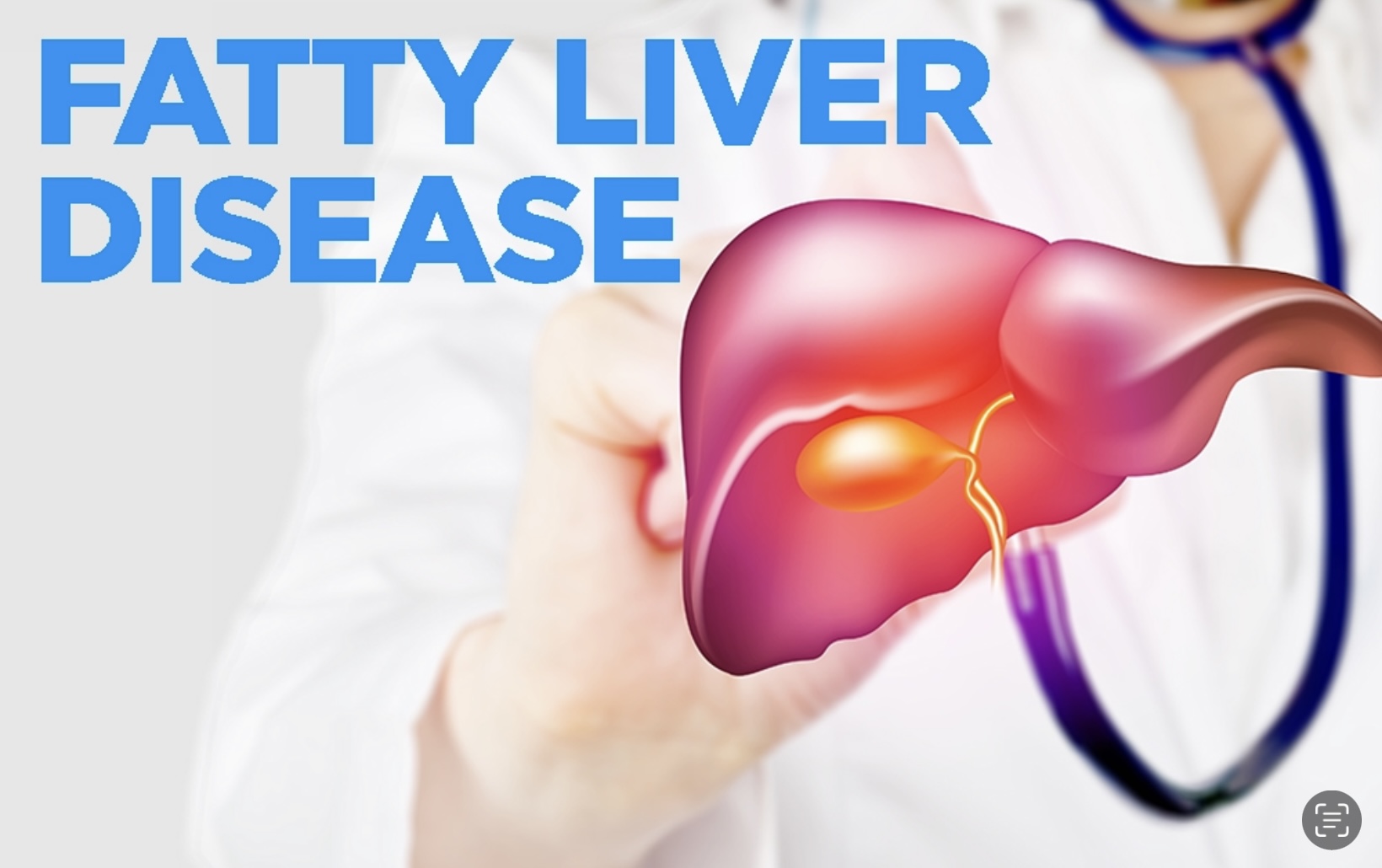
Fatty liver disease, or hepatic steatosis, refers to the accumulation of excess fat in liver cells.

It is one of the most common metabolic conditions today—and often one of the most overlooked.

Many people who are overweight are aware of the risks of hypertension, diabetes, and heart disease.

Far fewer realise that fatty liver disease is even more common—and can be just as serious.

In most cases, it is discovered incidentally during an ultrasound done for unrelated reasons.

Liver enzymes ALT (SGPT), AST (SGOT), GGT may be slightly raised in liver function test, but normal levels do not rule out fatty liver disease.

***

A Shift in Understanding:

Non-alcoholic fatty liver disease (NAFLD) to Metabolic dysfunction–associated steatotic liver disease (MASLD)

Traditionally, fatty liver disease has been classified as:

Alcoholic fatty liver disease

Non-alcoholic fatty liver disease (NAFLD)

However, modern medical consensus increasingly uses the term:

Metabolic dysfunction–associated steatotic liver disease (MASLD)

This better reflects the root cause—metabolic imbalance, not just absence of alcohol.

***

Spectrum of Disease

Fatty liver disease exists along a spectrum:

Simple fatty liver (steatosis) – fat accumulation without damage

Steatohepatitis (NASH / MASH) – fat with inflammation and liver cell injury

Fibrosis and cirrhosis – progressive scarring of the liver

Liver failure or liver cancer (in advanced cases)

Not everyone progresses—but a significant number do, especially in the presence of metabolic risk factors.

***

Why Does Fatty Liver Develop?

The exact mechanism is complex, but it is strongly linked to:

Abdominal obesity

Insulin resistance

Elevated blood sugar (prediabetes or diabetes)

High triglycerides

Metabolic syndrome

In simple terms:

When the body cannot properly handle excess energy, the liver becomes a storage site.

Over time, this fat can trigger inflammation and damage.

***

Who Is at Risk?

Fatty liver disease is increasingly seen across all age groups, including children.

Higher risk is associated with:

Central (abdominal) obesity

Type 2 diabetes

PCOS

Sedentary lifestyle

Sleep apnea

Hypothyroidism

High cholesterol and triglycerides

Even people who are not visibly obese may develop fatty liver if metabolic health is poor.

***

Symptoms: Often Silent

Most people with early fatty liver have no symptoms.

Some may experience:

Fatigue

Mild discomfort in the upper right abdomen

Symptoms usually appear only in advanced stages.

When It Progresses,

Advanced disease (cirrhosis) may present with:

Abdominal swelling (ascites)

Jaundice

Enlarged veins (varices)

Enlarged spleen

Confusion or drowsiness (hepatic encephalopathy)

These are signs of significant liver damage.

***

Complications

If not addressed, fatty liver disease can lead to:

Liver cirrhosis

Liver failure

Liver cancer

Internal bleeding (from varices)

This is why early identification and reversal are crucial.

***

The Good News: It Is Reversible

Unlike many chronic diseases, fatty liver disease—especially in early stages—is largely reversible.

The cornerstone of treatment is:

Sustainable weight reduction

Improved metabolic health

Regular physical activity

Nutritionally balanced eating patterns

Crash diets and extreme restrictions are neither necessary nor effective long term.

***

A Practical, Sustainable Approach

In our experience, the most effective results come not from drastic changes, but from intelligent nutritional fine-tuning of existing food habits.

When combined with:

Regular walking or simple physical activity

Gradual, sustainable fat loss

Improved metabolic markers

People not only reduce weight, but often reverse fatty liver and associated conditions like diabetes, hypertension, and heart disease.

***

An Important Takeaway

Many individuals with fatty liver disease are completely unaware of it.

Yet it may already be affecting their long-term health.

Recognising it early—and addressing the underlying metabolic imbalance—can prevent serious complications and restore health.

***

Related articles

Basics Of Nutrition’,

Designing A Healthy Weight Loss Food Plan

Simple Steps To Slimming

Acute And Chronic Inflammation!

Understanding the Body’s Healing Response

Inflammation is often spoken about as something harmful that must be suppressed. In reality, inflammation is one of the body’s most important protective mechanisms. It is a natural biological response that helps the body fight infections, repair injured tissues, and restore normal function.

Without inflammation, even a minor injury or infection could become life-threatening.

However, while short-term inflammation helps the body heal, inflammation that persists for long periods can contribute to many chronic diseases. Understanding the difference between acute inflammation and chronic inflammation is therefore important.

What is Inflammation?

Inflammation is the body’s response to injury, infection, toxins, or damaged cells. When tissues are harmed, the immune system releases chemical signals that increase blood flow to the affected area and attract immune cells that help eliminate harmful agents and begin the healing process.

This response may occur due to:

Infection by bacteria, viruses, or other microorganisms

Physical injury such as a cut, burn, or sprain

Exposure to irritants or toxins

Damage to body tissues

Inflammation itself is not a disease. It is a protective process designed to defend and repair the body.

Acute Inflammation — The Body’s Immediate Healing Response

Acute inflammation begins quickly and usually lasts for a short period — from a few hours to a few days. It is the body’s natural reaction to injury or infection.

Common examples include:

A cut or wound

A sprained ankle

A sore throat due to infection

Fever during illness

Acute inflammation produces some familiar signs:

Redness

Warmth

Swelling

Pain

These changes occur because blood vessels widen and immune cells move into the affected tissues to fight infection and remove damaged cells.

Although these symptoms may be uncomfortable, acute inflammation is an essential part of the healing process. Once the harmful stimulus is removed and the tissue begins to recover, the inflammatory response gradually subsides.

Chronic Inflammation — When the Process Persists

Sometimes the inflammatory process does not resolve completely. Instead of switching off after healing has begun,

it remains active for weeks, months, or even years. This is known as chronic inflammation.

Unlike acute inflammation, chronic inflammation is often subtle and may not produce obvious symptoms in the early stages. However, over time it can slowly damage tissues and organs.

Chronic inflammation may arise due to:

Persistent infections

Autoimmune diseases in which the immune system attacks the body’s own tissues

Long-term exposure to irritants or toxins

Excess body fat, especially abdominal or visceral fat

Metabolic disturbances such as insulin resistance

Over time, chronic inflammation can contribute to tissue damage, scarring, and dysfunction of organs.

Chronic Inflammation and Modern Diseases

In recent years, research has shown that chronic low-grade inflammation plays a role in many common diseases of modern life.

Conditions associated with persistent inflammation include:

Heart disease

Type 2 diabetes

Obesity

Polycystic ovary syndrome (PCOS)

Arthritis

Certain cancers

In many of these conditions, inflammatory chemicals produced within the body gradually disrupt normal cellular function and damage tissues.

For example, inflammation within the walls of blood vessels contributes to the development of atherosclerosis, the process that underlies heart attacks and strokes.

Low-Grade Metabolic Inflammation

A form of chronic inflammation that has received increasing attention in recent years is low-grade metabolic inflammation.

Excess visceral fat — the fat stored deep within the abdomen around internal organs — is not merely an energy store. It is metabolically active tissue that releases inflammatory substances and hormones.

These inflammatory signals can interfere with the body’s ability to use insulin effectively, leading to insulin resistance. Over time, this can contribute to the development of metabolic conditions such as type 2 diabetes and cardiovascular disease.

Thus, metabolic health, body fat distribution, and inflammation are closely interconnected.

Lifestyle Factors and Chronic Inflammation

Several aspects of modern lifestyle may promote persistent inflammation within the body.

These include:

Diets high in ultra-processed foods and refined sugars

Physical inactivity

Chronic psychological stress

Poor sleep

Smoking

Excess alcohol consumption

Addressing these factors can help reduce chronic inflammatory activity and improve overall health.

Regular physical activity, a balanced diet rich in whole foods, adequate sleep, and effective stress management all contribute to maintaining a healthy inflammatory balance.

The Key Message

Inflammation itself is not harmful. In fact, acute inflammation is a vital part of the body’s defence and healing system.

Problems arise when inflammatory pathways remain active for prolonged periods, leading to chronic low-grade inflammation that can gradually damage tissues and contribute to many diseases.

The goal, therefore, is not to eliminate inflammation completely, but to maintain a healthy balance in the body’s immune and metabolic systems.

Understanding this balance is an important step toward preventing many chronic diseases associated with modern lifestyles.

To better understand how inflammation interacts with metabolic health, you may also read the following articles:

‘Visceral Fat, Pre Diabetes And Type 2 Diabetes!’

‘Visceral Fat and Heart Disease!’

‘Relationship Between Visceral Fat And PCOS!’

‘Interrelationship Between Visceral Fat, Inflammation And Metabolic Syndrome!’

Choosing A Healthy Cooking Oil!

How To Choose A Healthy Cooking Oil!

Choosing a Healthy Cooking Oil

Rather than looking for a single “perfect” cooking oil, we should focus on incorporating a healthy cooking oil into a healthy diet and active lifestyle.

The reassuring fact is that the subject becomes much simpler when viewed scientifically and calmly.

***

Understanding What Cooking Oils Contain

All edible oils are composed primarily of fatty acids. These are broadly classified into monounsaturated fats (MUFA), polyunsaturated fats (PUFA), and saturated fats (SFA).

Most oils contain a mixture of all three in varying proportions. The balance between them influences both health impact and cooking stability.

Rather than labelling oils as simply “good” or “bad,” it is more useful to understand how each category behaves.

***

Oils Rich in Monounsaturated Fats (MUFA)

Oils such as groundnut oil, olive oil, mustard oil, and rice bran oil contain significant amounts of monounsaturated fats.

These oils are generally associated with favourable cardiovascular profiles and offer good stability for routine home cooking, including sautéing and moderate-heat preparation.

When used in moderation as the primary cooking oil within a balanced diet, MUFA-rich oils represent a practical and heart-friendly choice for everyday use.

They are particularly suitable for Indian cooking practices, where food is often prepared at medium-high temperatures, refrigerated, and reheated for a subsequent meal.

Compared with polyunsaturated fat-rich oils, MUFA-rich oils are more heat stable and form fewer oxidative compounds at higher temperatures.

***

Oils Rich in Polyunsaturated Fats (PUFA)

Oils such as sunflower, safflower, soybean, and corn oil are rich in polyunsaturated fats.

These fats are associated with supporting cardiovascular health when consumed in appropriate amounts.

However, PUFA-rich oils are somewhat less stable at high temperatures and form oxidative substances more readily than monounsaturated fat-rich oils.

For this reason, they are better suited for medium-temperature cooking rather than high-temperature deep frying.

When used sensibly as a routine cooking oil at moderate temperatures, and when repeated reheating of food prepared in them is avoided, they can serve as a reasonable primary cooking oil within a balanced dietary pattern.

***

Oils Rich in Saturated Fats

Examples include ghee and coconut oil.

These fats are relatively stable at higher temperatures but contain a high proportion of saturated fat.

Although they may raise HDL (“good”) cholesterol, excessive consumption can increase LDL cholesterol in many individuals. For this reason, they should be used in moderation, particularly in those with elevated cardiovascular risk.

In most parts of India, ghee is traditionally used in small quantities rather than as the primary cooking medium. When consumed in limited amounts within a balanced diet, it is unlikely to pose significant harm in metabolically healthy individuals.

***

Cardiovascular Health: The Bigger Picture

When consumed in moderation as part of a balanced diet, commonly used cooking oils do not show major differences in cardiovascular risk markers.

The overall dietary pattern has a far greater influence on long-term health than minor variations between similar oils.

A diet rich in vegetables, pulses, whole grains, nuts, and minimally processed foods, along with regular physical activity, remains the cornerstone of cardiovascular health.

***

Groundnut Oil and Olive Oil in Indian Cooking

Overall, the two oils that appear particularly suitable for Indian-style cooking are groundnut oil and olive oil.

Groundnut oil contains approximately 45–50 percent monounsaturated fatty acids, 30–35 percent omega-6 polyunsaturated fatty acids, 15–20 percent saturated fats, and provides vitamin E as its primary antioxidant.

When used in moderation and at moderate heat within a balanced diet, it is a practical and appropriate cooking oil for Indian homes.

Extra virgin olive oil contains approximately 70–75 percent monounsaturated fatty acids, 8–12 percent omega-6 polyunsaturated fatty acids, and 10–15 percent saturated fats. It is also rich in natural antioxidants including polyphenols and vitamin E.

These properties make extra virgin olive oil particularly supportive of heart health when used in moderation at low temperatures or as a salad dressing oil.

Current evidence does not show major differences in cardiovascular risk markers when either oil is used moderately within a balanced diet. Total oil consumption and overall dietary quality matter more than the specific oil chosen.

If cooking is done at moderate temperatures and overall oil consumption is reasonable within a balanced dietary pattern, groundnut oil can be safely used as the primary cooking oil.

If oil is used mainly for low temperature cooking or as a dressing, extra virgin olive oil is an excellent heart-healthy option.

Extra virgin olive oil is not suitable for high-temperature cooking or shallow frying.

For occasional deep frying at higher temperatures, refined groundnut oil or refined (not extra virgin) olive oil is more appropriate.

Both are stable at higher temperatures, although refined olive oil does not provide the same antioxidant benefits as extra virgin olive oil.

***

Practical Healthy Kitchen Habits

Keep deep frying of foods to a minimum.

Discard leftover oil after frying one batch of food. Do not reuse it.

Avoid very high temperature cooking whenever possible.

Promptly refrigerate leftover food. Reheat only the portion required for the next meal and refrigerate the remaining portion immediately.

Avoid repeated reheating of cooked food.

These are simple, practical measures that can be easily adopted in Indian homes.

Also read the articles ‘The Good And The Bad Fats’ and the ‘Basics Of Nutrition’ on this website.

Omega 3 Fatty Acids!

Health Benefits Of Omega 3 Fatty Acids!

Carbohydrates, proteins and fats are the three macronutrients of our nutrition.

Fats are composed of fatty acids.

Fatty acids are of four types, the monounsaturated fatty acids, the polyunsaturated fatty acids, the saturated fatty acids and the trans fatty acids.

Of these, the body can synthesise most of the fatty acids from other fatty acids, except the polyunsaturated fatty acids. Hence they must to be acquired from food. So they are also called the essential fatty acids.

Polyunsaturated fatty acids include Omega 3 and omega 6 fatty acids.

The omega 3 fatty acids are majorly of three types, namely the Eicosapentaenoic acid  or EPA, docosahexaenoic acid or DHA and Alpha-linolenic acid or ALA.

Of these the DHA and EPA are the sea source or marine omega 3 and ALA is the plant source omega 3.

Marine algae are rich in the DHA and EPA.

Marine fish get the DHA and EPA from these algae.

We get DHA and the EPA fatty acids from these marine fish and ALA from plant sources, like walnuts, some oils like mustard oil and soy oil, flax seeds and flaxseed oil and leafy vegetables.

Seaweed, nori, spirulina, chlorella are some of the sea algae which contain DHA and EPA omega 3 fatty acids, but vegetarian people knowing about them or the chances of their being available and being consumed in India are slim.

Omega 3 are an important constituent of the cell membrane of all tissues of the body, they also have a role to play in the functioning of the receptors on the cell membrane and their genetic functions and in the formation of hormones essential for blood clotting, contraction and relaxation of the arterial walls and in the prevention of inflammation in the walls of the arteries.

Inflammation of the arterial walls leads to the development of arteriosclerosis or hardening and thickening of the arteries which lose their elasticity and this causes the blood pressure to go up.

This inflammation also causes atherosclerosis or development of plaques in and on the arterial walls.

This leads to narrowing of the arteries leading to heart disease, strokes and kidney disease depending upon which arteries are affected.

By preventing or reducing this inflammation, omega 3 help protect us against coronary artery (heart) disease and strokes.

They also help relieve the symptoms of metabolic syndrome.

They help lower blood pressure, regulate and lower the heart rate and improve the functioning of the arteries. They prevent irregular heart rhythm and arrhythmias, which accounts for majority of the cardiac deaths in the US and also kill lacs of people all over the world, every year.

DHA is also essential for the proper development of the brain and other parts of the nervous system of a baby from the first trimester of the mother’s pregnancy to the time the baby is two years old.

Marine omega 3 also help prevent ADHD and reduce the severity of asthma in children.

One large study (GISSI Prevention Trial) has found that heart attack survivors put on daily 1 gm supplement of omega 3 for three years were less likely to have another heart attack or stroke or die suddenly than those who took placebo.

In a recent Japan EPA Lipid Intervention Study (JELIS), it was found that those who took an EPA supplement along with statin (cholesterol lowering group of drugs) were less likely to suffer from a sudden cardiac event than those who took only statin.

So along with the evidence that they prevent heart disease and strokes, omega-3 fats have been shown to help control lupus, eczema, and rheumatoid arthritis, and may play protective roles in some cancer and other conditions.

Omega 3 are also beneficial for the health of the skin and the eyes.

By reducing inflammation, they help reduce acne lesions, improve hydration of the skin and help reduce redness, dryness and itching of skin in different conditions like dermatitis and psoriasis, helps relieve symptoms of sun burns due to ultraviolet A and B rays. They also help wound healing.

They are an important constituent of the structure of the retina and are essential for the health of the eye and vision. They are also linked to a reduced risk of macular degeneration which is one of the major reasons of blindness in the world.

They are also linked to lowered risk of depression and anxiety and relieve symptoms like sadness, lethargy and lack of interest in life and fear, panic and restlessness.

***

Are there any alternative sources of marine omega 3, DHA and EPA?

Unfortunately most of the health benefits of omega 3 are due to the marine omega 3, DHA and EPA.

The plant source omega 3 or ALA doesn’t have the same benefits.

A small amount of ALA is converted by our bodies into marine omega 3 at a slow pace, but this is not enough, so non fish eaters lose out on the benefits of marine omega 3, which are obtained only by eating marine fish.

Contrary to the claims made by some poultry industries, eggs of chicken fed on flax seeds do not have much marine omega 3.

So the only source of marine omega 3 remains marine fish or fish oil.

But the fact remains that purely vegetarian people too can live long and healthy life.

So don’t try to eat fish if you have never eaten it!

***

How much sea fish is enough to get adequate omega 3 fatty acids DHA and EPA?

Adults should eat about 170 gm sea fish twice a week and children between the ages of 2 to 8 years between 40 to 85 gm and children over 9 years between 115 to 140 gm twice a week to get enough of the two omega 3 fatty acids.

***

How to cook fish to preserve more of the omega 3 available in the fish?

Boiling, steaming or cooking fish in a gravy, or baking it at 200 degrees for 20 minutes or smoking fish (not a common practice in India) can preserve much of the omega 3 in fish.

Cooking fish in a microwave at 200 degrees or lower temperature can also help retain most of the omega 3 intact.

The key to keeping the healthy omega 3 in your sea fish intact on cooking appears to be cooking it at a lower temperature than about 200 degrees and cooking it quickly in about 20 minutes, may even be at a lower temperature if for a little longer time frame.

Higher temperatures and longer cooking time completely alters the chemical structure of the fatty acids in the fish so it doesn’t resemble the original chemical structure of the fish lipids. High heat also helps develop the very harmful trans fatty acids and some other toxic substances in fish.

Deep frying or pan frying fish or cooking it in a tandoor are all done at high temperature which destroys most of the omega 3 in fish

Canning fish also destroys much or most of the omega 3 in fish.

Also read the articles ‘Basics Of Nutrition’, ‘The Good And The Bad Fats’ and the ‘Effect Of Cooking On Omega 3 In Fish’ on this website.

Understanding Pre Diabetes!

The Threat Of Pre Diabetes!

Even when I started my pioneering obesity clinic in Pune four decades ago, it was clear that we were fast becoming the world capital of diabetes and heart disease!

But the threat of a condition called pre diabetes was not as commonly recognised then as it is today.

Currently the commonest fear with which young people are approaching me to help them get over their weight and health issues is the threat of going from pre diabetes to full blown diabetes!

What exactly is pre diabetes?

Pre diabetes is a condition in which the blood sugar levels are raised above normal but are still lower than the diagnostic levels of diabetes.

The HbA1c or the glycated haemoglobin levels lie between 5.7 and 6.4 per cent, just below the diagnostic levels of diabetes, 6.5 per cent and above.

Pre diabetes is a condition that is part of the metabolic syndrome, characterised by obesity, especially abdominal obesity, hypertension, raised levels of triglycerides and LDL, the bad cholesterol and lowered levels of HDL, the good cholesterol.

LDL cholesterol causes blocks in the coronary arteries which leads to heart disease and myocardial infarctions or heart attacks and HDL cholesterol cleanses the coronary arteries off these blocks and protects us from heart disease.

Pre diabetes is considered the stepping stone towards developing diabetes and some of the complications of diabetes can affect the pre diabetics too.

Pre diabetes is diagnosed by checking the the blood sugar fasting and post prandial levels, the glucose tolerance test, the HbA1c, the blood insulin levels and the lipid profile. Abdominal obesity and hypertension confirm the presence of pre diabetes.

Pre diabetes may not have any recognisable signs and symptoms, that makes it even more difficult to diagnose.

But some people may have the same symptoms as those of diabetes, like excessive thirst, increased urination and fatigue and they could indicate that you aught to rule out pre diabetes and diabetes.

If you are suffering from obesity, especially abdominal obesity, have family history of diabetes, have a sedentary lifestyle, you should check your blood pressure, blood sugars, blood insulin, HbA1c and lipid profile, to screen for pre diabetes.

The causes of developing pre diabetes could be family history of diabetes, sedentary lifestyle, stress, older age, ladies who have had history of gestational diabetes and have had high birth weight (more than 9 pound) babies.

When carbohydrates are digested, they are absorbed in blood as sugar and the blood sugar levels increase.

In response to this the pancreas releases insulin in blood and insulin helps transport the sugar to various tissues of the body and under its influence, the cells of the tissues take up sugar from the blood and utilise it for the energy that they require for their functions.

Under the influence of insulin the liver also stores more sugar for providing energy to the body later.

This lowers the blood sugar and the blood insulin levels.

But when you eat too much sweets or sugary food regularly, the pancreas is forced to produce more insulin to bring down the blood sugar to normal.

After a while the cells of the various tissues stop responding adequately to the insulin and do not absorb sugar efficiently.

This means the cells of the tissues develop insulin resistance.

This causes both, the blood sugar and the blood insulin levels to stay high.

This raised blood level of insulin is called hyperinsulinemia.

When the capacity of the liver and the muscle cells to store sugar is over, the excess blood sugar is stored in the fat cells of various fat depots in the body and our weight increases, gradually leading to obesity.

Diagnostic levels of pre diabetes:

Fasting Blood Sugar Levels: Between 110 to 125 (WHO) or 100 to 125 (American Diabetes Association)

Sugar Tolerance Test: Between 140 and 199 mg/dL two hours after taking standardised 75 gm glucose solution.

Glycated Haemoglobin or HbA1c levels between 5.7 to 6.4 per cent.

Levels above these are diagnostic of diabetes.

Reversing Pre Diabetes:

The earlier that the condition of pre diabetes is diagnosed, the greater are the chances that it can be reversed.

How to reverse Pre Diabetes:

Healthy Eating: Focus on a balanced diet rich in whole grains, fruits, vegetables, lean proteins, and healthy fats. Limiting processed foods and sugary beverages is crucial.

Regular Physical Activity: Engage in at least 150 minutes of moderate-intensity exercise per week, such as brisk walking, cycling, or swimming.

Weight Management: Losing even a small percentage of body weight can significantly reduce the risk of developing diabetes.

Regular Monitoring: Keep track of blood sugar levels and have regular check ups with your physician or endocrinologist.

Keeping your consumption of sweets low, so it helps keep your blood insulin from rising unnecessarily high.

If you have uncontrollable craving for sweets, eat ample fruits through the day. It will take away the abnormal craving for eating sweets and also add valuable nutrition to your food.

Staying away from sweets with determination for a fortnight, to allow the taste buds on your tongue to get adjusted to not eating them. Once they are retrained, you won’t be able to eat as much sweets anyway.

So, to reverse your pre diabetes, you need to develop healthy food habits, eat nutritionally balanced food, exercise regularly, reduce your weight, keep stress low and sleep well.

And don’t wait to start all these things till you catch diabetes!

If you start now, you could most likely prevent the development of insulin resistance and pre diabetes!

Also read ‘Sweets, Obesity And Diabetes’, ‘Insulin Resistance And Diabetes’, ‘Dangers Of Eating Too Much Sweets’ and ‘Preventing Diabetes’ on this website.


प्री डायबीटिस!

प्री डायबीटिस म्हणजे नेमके काय आहे,

तो कसा निर्माण होतो,

आणि तो कसा टाळता येईल किंवा कसा रिव्हर्स करता येईल!

***

माझ्या प्रॅक्टिस च्या सुरुवातीलाच हे स्पष्ट होते की आपण वेगाने डायबीटिस आणि हृदयविकार ह्या आजारांमध्ये जगभरात आघाडी घेत आहोत.

पण त्या वेळेस प्री डायबीटिस ह्या कंडिशन चे महत्व लोकांना अजूनही तितकेसे जाणवले नव्हते.

पण आज मात्र माझ्याकडे येणारे अनेक लोक प्री डायबीटिस असल्याचे समजल्यामुळे वजनाची ट्रीटमेंट घेण्यासाठी माझ्याकडे येत आहेत.

लट्ठपणाची फारशी भीती वाटणारे काही लोक निदान प्री डायबीटिस च्या भीतीने तरी जागृत होत आहेत हे ही चांगले आहे.

***

पण प्री डायबीटिस म्हणजे नेमकी काय कंडिशन आहे?

प्री डायबीटिस ह्या कंडिशन मध्ये ब्लड शुगर्स नॉर्मल पेक्षा अधिक पण डायबीटिक लेव्हल्स पेक्षा कमी असतात.

प्री डायबीटिस ही कंडिशन मेटबॉलिक सिंड्रोम चा एक भाग असते आणि ह्यात लठ्ठपणा, विशेषतः पोटात अधिक फॅट असते म्हणजेच पोट सुटलेले असते, ब्लड प्रेशर वाढलेले असते, रक्तातील शुगर, इन्सुलिन,  ट्रायग्लिसराईड्स आणि एल डी एल कोलेस्टेरॉल च्या लेव्हल्स वाढलेल्या असतात आणि हृदयाला सुरक्षित ठेवणाऱ्या एच डी एल कोलेस्टेरॉल च्या लेव्हल्स कमी झालेल्या असतात.

ह्या पैकी ट्रायग्लिसराईड्स आणि एल डी एल कोलेस्टेरॉल च्या लेव्हल्स वाढण्या मुळे हृदयाच्या करोनरी आर्टरीज् मध्ये ब्लॉकेजेस होऊन हृदयविकार निर्माण होतो तर हे ब्लॉकेजेस काढून घेऊन करोनरी आर्टरीज् आणि पर्यायाने हृदयाला सुरक्षित ठेवण्याचे काम एच डी एल कोलेस्टेरॉल करते.

प्री डायबीटिस ही डायबीटिस पहिली पायरी असते आणि ती पुढे जाऊन डायबीटिस मध्ये रूपांतरित होते आणि डायबीटिस मधील काही कॉमप्लिकेशन्स प्री डायबीटिस मध्ये ही होऊ शकतात.

प्री डायबीटिस मध्ये अनेकांना काहीही सिम्प्टम्स असलेले जाणवत नाहीत, त्यामुळे प्री डायबीटिस सहजपणे डायग्नोस होत नाही.

प्री डायबीटिस च्या डायग्नोसिस साठी ब्लड शुगर फास्टींग आणि पी पी, ग्लूकोज टॉलरन्स टेस्ट, ग्लायकेटेड हीमग्लोबिन, ब्लड इन्सुलिन, लिपिड प्रोफाईल ह्या टेस्ट्स करता येतात. ह्या लेव्हल्स नॉर्मल पेक्षा हाय असणे, पोटात फॅट खूप असणे आणि हायपरटेंशन हे प्री डायबीटिस असल्याचे दर्शवतात.

जर तुमचे वजन जास्त असेल, पोट सुटलेले असेल, ब्लड प्रेशर हाय असेल, तर तुम्ही वरील टेस्ट्स करून घेणे इष्ट ठरेल.

ह्या पैकी ब्लड शुगर फास्टींग आणि पी पी, ग्लूकोज टॉलरन्स टेस्ट, ग्लायकेटेड हीमग्लोबिन ह्या लेव्हल्स डायबीटिस मधील लेव्हल्स पेक्षा कमी पण नॉर्मल पेक्षा हाय असल्या आणि ट्रायग्लिसराईड्स आणि एल डी एल कोलेस्टेरॉल च्या लेव्हल्स हाय आणि  एच डी एल कोलेस्टेरॉल च्या लेव्हल्स लो असल्या, तर तुम्हाला प्री डायबीटिस आहे असे धरायला हरकत नाही.

काही वेळा प्री डायबीटिस मध्ये ही काही लोकांना डायबीटिस प्रमाणेच खूप तहान लागणे, सारखी लघवी होणे, थकवा वाटत राहणे असे सिम्प्टम्स दिसतात. अशा लोकांनी ही वरील टेस्ट्स करून घेणे अत्यावश्यक आहे.

प्री डायबीटिस होण्याची कारणे:

प्री डायबीटिस नेमका कशाने होतो अजूनही पूर्णपणे माहीत नसले तरी डायबीटिस ची फॅमिली हिस्टरी असणे, बैठी जीवनशैली, स्ट्रेस, वाढते वय, जेस्टेशनल (प्रेगनन्सी मधील) डायबीटिस आणि जन्मतः नऊ पाऊन्ड पेक्षा अधिक वजन असलेली बाळ झालेल्या आया ह्यांना तो होण्याची शक्यता जास्त असते.

प्री डायबीटिस च्या डायग्नॉस्टिक ब्लड टेस्ट लेव्हल्स:

फास्टिंग ब्लड शुगर लेव्हल्स: 110 ते 125 (WHO) किंवा 100 ते 125 (अमेरिकन डायबीटिस असोसिएशन) mg/dL

शुगर टॉलरन्स टेस्ट: ब्लड शुगर लेव्हल्स 140 ते 199 mg/dL स्टॅंडर्डाईज्ड 75 ग्रॅम ग्लूकोज सोल्युशन नंतर दोन तासांनी,

ग्लायकेटेड हीमग्लोबिन किंवा HbA1c लेव्हल्स: 5.7 ते 6.4 पर सेंट च्या रेंज मध्ये असणे.

ह्या वरील लेव्हल्स डायबीटिस च्या डायग्नॉस्टिक लेव्हल्स असतात.

रिव्हर्सिंग प्री डायबीटिस:

जितक्या लवकर प्री डायबीटिस डायग्नोज होईल, तितक्या लवकर तो रिव्हर्स होण्याची शक्यता अधिक असते.

प्री डायबीटिस रिव्हर्स कसा करायचा?

बॅलन्सड न्युट्रिशन: होल ग्रेन सीरीयल (धान्य) आणि पल्सेस (कडधान्य), ताज्या भाज्या आणि फळे, साय काढलेले दूध आणि शक्य असेल तर सी फिश आणि हेल्दी फॅट असलेले पदार्थ ह्यावर फोकस करा.

आपले गोड खाणे अगदी माफक ठेवा.

तसे करण्याने तुमची रक्तातील शुगर आणि इन्सुलिन लेव्हल्स कमी राहतात.

जर गोड खाण्याची अनावर इच्छा होत असेल तर नियमित भरपूर फळे खा, गोड खाण्याची तृप्ती आपोआप होते.

ही अनावर इच्छा म्हणजे खरं तर तुम्ही खूप गोड खाऊन तुमच्या जिभे वरील टेस्ट बड्स ना आणि मेंदू ला गोड खाण्याचे ट्रेनिंग देऊन लावलेले अडिक्शन किंवा व्यसन असते.

तितके गोड खाल्ले की मगच तुमच्या मेंदू ला तृप्त झाल्याचे समाधान होत असते.

बरेच लोक आपल्या शरीराला साखरेची गरज असते म्हणून आपल्याला गोड खावे लागते असे मनाशी पक्के ठरवून गोड खात असतात!

आणि तुम्ही पंधरा दिवस सय्यम बाळगून गोड खाणे बंद केले तर तेव्हढ्या वेळात तुमच्या टेस्ट बड्स आणि मेंदू ची गोड खाऊन तृप्त होण्याची सवय मोडलेली असते.

मग तुम्ही पूर्वी इतके गोड खाऊच शकत नाही.

म्हणूनच तुमचा इन्सुलिन रेझिस्टन्स आणि प्री डायबीटिस रिव्हर्स करण्यासाठी हेल्दी फूड हॅबिट्स स्वीकारा, संतुलित, हेल्दी, आहार घ्या, नियमित व्यायाम करा, वजन कमी करा, स्ट्रेस कमी करा, आणि पुरेशी झोप घ्या!

रेग्युलर एक्सरसाईज: आठवड्याला 150 मिनिटे ब्रिस्क वॉक, सायकलिंग, स्विमिंग सारखे कार्डिओव्हॅस्क्युलर एक्सरसाईज करा.

वजन कमी करा: केवळ काही किलो वजन कमी होण्याने सुध्दा डायबीटिस होण्याचा धोका कमी होतो.

बैठी जीवनशैली सोडून, नियमित एक्सरसाईज करायला लागणे, येथे हळू हळू फिट होत भरपूर चालणे सुद्धा अगदी पुरेसे आहे, हे शरीरात विविध सेल्स चा इन्सुलिन रेझिस्टन्स कमी करून रक्तातील शुगर आणि इन्सुलिन लेव्हल्स कमी करते.

त्या मुळेच बॅलन्सड न्युट्रिशन आणि एक्सरसाईज हा डायबीटिस कंट्रोल आणि एकूणच आपल्या संपूर्ण आरोग्याचा पाया आहे.

नियमित चेक अप: तुमच्या फिझिशन किंवा एन्डोक्रिनॉलजिस्ट कडे नियमित चेक अप करवून घ्या.

आणि ह्या साठी डायबीटिस होण्याची वाट पाहू नका!

लवकर सुरुवात केली, तर तुम्ही प्री डायबीटिस टाळू किंवा रिव्हर्स ही करू शकाल!


Sweets, Obesity and Diabetes!

Eating Too Much Sweets, Obesity And Diabetes!

It was amply clear even when I started my then unique ‘Obesity Clinic’ in Pune, nearly 40 years ago, that our county was poised to be the world capital of diabetes and heart disease!

The three primary reasons for it were that we are genetically more prone to develop both diseases than people in the West and the increasing affluence of the Indian middle class meant that we are eating more calorie rich food and our lifestyles are getting more and more sedentary.

With the modern culture bringing in greater amount of sweets in our food with increasing temptations like rich deserts becoming available with mithai and cake shops and ice cream parlours springing up everywhere and the five star hotel culture introducing us to a rich dessert culture and the television and You Tube master chefs making the average house wives culinary experts, we are eating more and more sweets.

Sugar of course is nearly hundred per cent simple carbohydrate.

When we eat carbohydrates, they are digested and absorbed into the blood as sugar. When the blood sugar rises, the pancreas release the hormone insulin into the blood, to bring down the blood sugar to the normal levels and thus regulate the blood sugar.

The cells of every tissue in the body take up the sugar from the blood under the influence of insulin and use it for the energy that they need for their functions.

The liver also stores more sugar under the influence of insulin, for later use, when the body needs energy.

This brings down the blood sugar and in response, the pancreas cuts down on the insulin production.

This process is smooth and works seamlessly when we are healthy.

But when we eat too much of sweets or carbohydrates, a lot of sugar enters the blood.

This forces the pancreas to produce more insulin than normal, to influence the cells of various tissues to take up more sugar to control the blood sugar levels.

And if we continue to eat a lot of sweets regularly, after some time the various cells of the body respond less efficiently to the available insulin and do not absorb the sugar from the blood adequately.

This means that they become insulin resistant.

With the result, the blood sugar levels increase and so does the level of blood insulin.

This raised blood level of insulin is called hyperinsulinemia.

Under the influence of these raised levels of insulin, the liver and muscles store more sugar and when their capacity of storing sugar is full, this excess sugar is converted into fat and stored in various fat depots.

This leads to development of obesity.

This means our blood insulin, blood sugar and weight, all go up.

Over a period of time eating too much sugar and sweets leads to obesity and diabetes!

Also read the articles ‘Abdominal Obesity, Diabetes And Heart Disease‘, ‘Preventing Diabetes’ and the ‘Dangers Of Eating Too Much Sugar’ and ‘Insulin Resistance And Diabetes’ on this website.

Insulin Resistance And Diabetes!

The Process Of Developing Insulin Resistance And Diabetes!

Any one can become diabetic.

It is not a must to have a family history of diabetes to develop the disease.

Yes, you have a greater chance of developing the disease if you have a family history of diabetes.

But you will see that many develop the disease irrespective of a family history of diabetes these days.

That is why it is vital that we understand that the process of becoming diabetic starts much before the actual onset of the full fledged disease.

***

Carbohydrates, Insulin And Blood Sugar

Normally insulin, the hormone produced by pancreas, regulates our blood sugar levels precisely.

The carbohydrates that we consume in our food, enter our blood in the form of sugar and as soon as it enters our blood, the pancreas releases insulin in our blood to regulate the blood sugar.

The cells of every tissue in the body take up the sugar from the blood under the influence of insulin and use it for the energy that they need for their functions.

The liver also stores more sugar under the influence of insulin, for later use, when the body needs energy in between two meals.

This brings down the blood sugar to normal and in response, the pancreas cuts down on the insulin production.

A few hours, typically around four to five hours, the blood sugar levels dip before the next meal.

At this time the liver releases the stored blood sugar in the blood to provide the energy that the body needs and the stored sugar in the liver goes back to normal.

This process is smooth and works seamlessly when we are healthy.

***

Blood insulin levels:

2 to 5 mU/L: Optimal levels, indicate normal insulin sensitivity

6 to 9 mU/L: Suggestive of early insulin resistance

>10 mU/L: Likely insulin resistance or hyperinsulinemia

>15 mU/L: Metabolically unhealthy, indicate hyperinsulnemia

>25 mU/L: Pathologically high levels suggestive of diabetes or PCOS

***

Insulin Resistance And Pre Diabetes

But when we eat too much of sweets or carbohydrates, a lot of sugar enters the blood.

This forces the pancreas to produce more insulin than normal, to influence the cells of various tissues to take up more sugar to control the blood sugar levels.

But if we continue to eat a lot of sweets regularly, after some time the various cells of the body respond less efficiently to the available insulin and do not absorb the sugar from the blood adequately.

This means that they become insulin resistant.

With the result, the blood sugar levels increase and so does the level of blood insulin.

This raised blood level of insulin is called hyperinsulinemia.

Under the influence of these raised levels of insulin, the liver and muscles store more sugar and when their capacity of storing sugar is full, this excess sugar is converted into fat and stored in various fat depots.

This leads to weight gain.

This means our blood insulin, blood sugar and weight, all go up.

At this stage, not only our blood sugar and insulin, but also our blood triglycerides and the LDL (harmful to the heart) cholesterol levels are likely to go up and our HDL (beneficial to the heart) cholesterol levels are likely to drop below normal.

These are all signs insulin resistance.

This is the pre diabetic stage which eventually can lead to diabetes, heart disease and strokes.

***

We yet do not know the exact reasons of insulin resistance, but family history of type 2 diabetes, sedentary lifestyle, total lack of exercise and obesity can all be the contributing reasons.

Stress and lack of adequate sleep too could worsen the situation.

***

How to reverse insulin resistance

Getting physically more active and exercising regularly, walking adequately is the safest exercise, improves the insulin sensitivity of the cells of different tissues of our body.

That is the reason why exercise is the key to not only diabetes management, but also to our overall health and well being!

Keep your consumption of sweets low, so it helps keep your blood insulin from rising unnecessarily high.

If you have uncontrollable craving for sweets, eat ample fruits through the day. It will take away the abnormal craving for eating sweets and also add valuable nutrition to your food.

Stay away from sweets with determination for a fortnight, to allow the taste buds on your tongue to get adjusted to not eating them. Once they are retrained, you won’t be able to eat as much sweets anyway.

So, to reverse your insulin resistance, you need to develop healthy food habits, eat nutritionally balanced food, exercise regularly, reduce your weight, keep stress low and sleep well.

And don’t wait to do all these things till you catch diabetes!

Start now, so you don’t develop insulin resistance in the first place!

Also read the articles ‘Preventing Diabetes’, and ‘Dangers Of Eating Too Much Sugar’ on this website.


इन्सुलिन रेझिस्टन्स आणि डायबीटिस!

डायबीटिस कोणालाही होऊ शकतो.
म्हणजे, तुमच्या फॅमिली मध्ये डायबीटिस ची हिस्टरी असेल तर तुम्हाला तो होण्याची शक्यता असतेच,
पण त्या साठी तुमच्या फॅमिली मध्ये डायबीटिस असावाच लागतो असा काही नियम नाही!
आणि तशी फॅमिली हिस्टरी नसेल तर तुम्ही तो टाळू शकताच,
पण अगदी तशी फॅमिली हिस्टरी असलीच तरी ही तुम्ही तो टाळू किंवा लांबवू तर नक्कीच शकता!
आणि तसे ही आई वडीलां पैकी एकाला किंवा दोघांनाही डायबीटिस असेल, तरी ही त्या फॅमिली मधील सगळ्याच मुलांना डायबीटिस होईलच असे ही नसते.
आणि डायबीटिस होण्याच्या बऱ्याच आधी पासून शरीरात तो होण्याची पूर्व तयारी सुरू असते.
***
कार्बोहायड्रेट्स, इन्सुलिन आणि ब्लड शुगर
पॅनक्रियस ह्या ग्रन्थी ने निर्माण केलेले इन्सुलिन हे हार्मोन आपल्या रक्तातील ग्लूकोज किंवा ब्लड शुगरचे काटेकोर नियमन करते.
आपल्या आहारातील कार्बोहायड्रेट्स साखरे च्या रुपात रक्तात शोषले जातात आणि ब्लड शुगर लेव्हल्स वाढू लागताच पॅनक्रियस रक्तात अधिक प्रमाणात इन्सुलिन सोडते.
इन्सुलिन च्या प्रभावा खाली शरीरातील विविध टिश्यूज मधील सेल्स ही रक्तातील शुगर अबसॉर्ब करतात आणि तिचा वापर स्वतःच्या विविध कार्यांसाठी एनर्जी म्हणून करतात.
इन्सुलिन च्या प्रभावा खाली लिव्हर, पुढे वापर करण्यासाठी, अधिक प्रमाणात ही शुगर साठवून ठेवते.
ह्या मुळे रक्तातील शुगर लेव्हल्स कमी होतात आणि त्यामुळे रक्तातील इन्सुलिन लेव्हल्स ही कमी केल्या जातात.
आपल्या ब्रेकफास्ट नंतर किंवा शेवटच्या जेवणानंतर काही वेळाने आपल्या ब्लड शुगर लेव्हल्स खाली येतात.
मग ह्या वेळी लिव्हर मध्ये साठवलेली हीच शुगर रक्तात सोडून आपल्या शरीराला आवश्यक असलेल्या एनर्जी ची पूर्तता केली जाते.
नॉर्मली ही सर्व प्रॉसेस स्मूदली, सहजपणे, सुलभपणे चालू असते.
आणि त्या वेळे पर्यंत आपण हेल्दी असतो!
***
इन्सुलिन रेझिस्टन्स आणि प्री डायबीटिस
पण आपण जेव्हा खूप अधिक प्रमाणात गोड किंवा इतर कार्बोहायड्रेट्स खातो, तेव्हा रक्तात मोठ्या प्रमाणात साखर येते.
मग ही अतिरिक्त शुगर शरीरातील विवध सेल्स नी शोषून घ्यावी म्हणून पॅनक्रियस ला मोठ्या प्रमाणात इन्सुलिन रक्तात सोडावे लागते.
पण आपण जर असेच मोठ्या प्रमाणात गोड सतत खात राहिलो, तर काही काळाने शरीरातील विविध सेल्स वरील इन्सुलिनचा प्रभाव कमी होत जातो आणि ते पुरेसे इन्सुलिन उपलब्ध असतानाही रक्तातील शुगर पुरेशा प्रमाणात अबसॉर्ब करू शकत नाहीत.
म्हणजेच ते इन्सुलिन रेझिस्टन्ट होतात.
त्याचा परिणाम ब्लड शुगर लेव्हल्स वाढण्यात होतो.
आणि ह्याच बरोबर रक्तातील इन्सुलिन ची लेव्हल ही वाढलेली राहते.
ह्यालाच हायपर इन्सुलिनेमिया म्हणतात.
त्याच बरोबर खूप वाढलेले इन्सुलिन लिव्हर आणि स्नायूंना अधिक शुगर साठवायला लावते आणि त्यांची शुगर साठवण्याची क्षमता संपली की लिव्हर उरलेली शुगर शरीरातील विविध फॅट डेपोज् मध्ये फॅट च्या रुपात साठवण्या साठी पाठवते. अर्थातच आपले वजन वाढत जाते.
म्हणजे आपली ब्लड शुगर, इन्सुलिन आणि वजन तीनही वाढत जातात.
अशा वेळी आपली ब्लड शुगर, इन्सुलिन, ट्रायग्लिसराईड्स, एल डी एल (हृदयाला मारक) कोलेस्टेरॉल वाढलेले आणि एच डी एल (हृदयाला संरक्षण देणारे) कोलेस्टेरॉल कमी झालेले असू शकते.
हे सगळे आपल्याला इन्सुलिन रेझिस्टन्स असल्याचे दर्शवते.
आणि हीच स्टेज आपण प्रीडायबीटिक असण्याची स्टेज असते!
ह्यातुनच पुढे डायबीटिस, हृदय विकार आणि स्ट्रोक्स येऊ शकतात.
***
इन्सुलिन रेझिस्टन्स नेमका कशाने होतो हे आपल्याला अजूनही माहीत नाही, पण टाइप 2 डायबीटिस ची फॅमिली हिस्टरी असणे, बैठी जीवनशैली आणि व्यायामाचा पूर्ण अभाव आणि लठ्ठपणा हे सर्व इन्स्युलिन रेझिस्टन्स ची कारणे असू शकतात.
***
इन्सुलिन रेझिस्टन्स रिव्हर्स कसा करावा?
फिझिकली अधिक ॲक्टिव्ह असणे म्हणजेच नियमित एक्सरसाईज करणे, सर्वात सुरक्षित म्हणजे भरपूर चालणे, हे आपल्या शरीराच्या सेल्स ना अधिक इन्सुलिन सेन्सिटिव्ह करण्याचा सोपा उपाय आहे.
म्हणूनच एक्सरसाईज संपूर्ण आरोग्यासाठीच नव्हे तर डायबीटिस मॅनेजमेंट साठी ही अत्यावश्यक आहे.
वजन कमी राखण्यासाठी ही एक्सरसाईज चा रोल अतिशय महत्वाचा आहे.
गोड खाणे मर्यादित ठेवा, म्हणजे ब्लड शुगर उगाचच वाढणार नाही आणि पॅनक्रियस ला अनावश्यक तेवढे इन्सुलिन निर्माण करावे लागणार नाही.
गोड खाण्याचे ॲडिक्शन झालेले असले, गोड खाण्याचे खूप क्रेव्हिंग होत असेल, चहा, कॉफी खूप गोड पित असाल, जेवणा नंतर काही तरी गोड खाल्ल्या शिवाय चैन पडत नसेल, तर पुढे वाढून ठेवलेल्या अनारोग्याचे भान ठेवा आणि निर्धाराने केवळ पंधरा दिवस गोड खाणे कमी करा, तेवढ्या वेळात तुमच्या जिभे वरचे टेस्ट बड्स आपोआप अजस्ट होतात आणि नंतर तुम्हाला पूर्वी इतके गोड खाताच येत नाही, हे प्रत्यक्ष अनुभवा.
भरपूर फळे खाण्याने सुद्धा गोडाचे क्रेव्हिंग निघून जाते हे ही अनुभवा.
तेव्हा इन्सुलिन रेझिस्टन्स रिव्हर्स करण्यासाठी हेल्दी, संतुलित आहार घ्या, नियमित एक्सरसाईज करा, वजन कमी करा, स्ट्रेस टाळा आणि पुरेशी झोप घ्या.
आणि हे सगळे करण्या साठी डायबीटिस होण्याची वाट बघू नका!
म्हणजे मुळातच इन्सुलिन रेझिस्टन्स निर्माणच होणार नाही!

Wheat Is A Healthy Cereal!

Wheat Is As Healthy As Any Other Cereal!

Wheat is the second largest cultivated cereal crop of the world, next only to maize.

Wheat is the largest staple food of the world population, next only to rice.

The wheat crop cultivation covers more land than any other cereal in the world.

Its turnover in the world market is larger than that of all other cereals put together.

The wheat grain, like all other cereals, has three parts, the bran, the germ and the endosperm.

The bran is the protective outer cover of the grain, the germ develops into a new plant when the seed germinates and the endosperm is the store house of the food of the seed, that the grain uses for energy when the new plant is being developed.

The wheat grain has 71 % carbohydrates, 13 % proteins, fibre, some B vitamins, folate, Vitamins E, some minerals, phytochemicals, antioxidants and some good fatty acids.

Wheat provides us with 327 calories per hundred gm.

Of these, most of the fibre, vitamins, minerals, phytochemicals, antioxidants and fatty acids and 25% of the proteins in the wheat grain are housed in the bran and the germ while the most of the carbohydrates and 75% of the proteins are housed in the endosperm.

The carbohydrates in the whole wheat grain are starch, fibre and some sugars.

Of these, the starch and the fibre are the complex carbohydrates while the sugars are the simple carbohydrates.

Thus wheat is a very important source of calories, carbohydrates, proteins, small amounts of healthy fats, vitamins and minerals of a large proportion of the population of the world.

Wheat, like all other cereals, is deficient in the essential amino acid lysine and hence, by itself it is not a good source of complete proteins.

On the other hand, pulses have lysine but they are deficient in the essential amino acids methionine, tryptophan and cysteine.

And wheat has methionine, tryptophan, and cysteine.

So wheat and pulses together supply us all the essential amino acids and together they become a good source of better quality proteins in a vegetarian diet.

That is why we have chapatis, rice, bhakri together with ‘varan’ / ‘amti’ / ‘dal’ / ‘sambar’ / ‘curry’ or ‘usal’ in both lunch and dinner in our regular meals.

Chapatis, rice, bhakri are all cereals and ‘varan’ / ‘amti’ / ‘dal’ / ‘sambar’ / ‘curry’ or ‘usal’ are all pulses.

Together they provide most of the better quality proteins in a vegetarian diet.

Wheat chapatis or roti are the main ingredient of regular meals for most Indians.

The wheat protein is majorly composed of gluten, constituting 75 to 80 per cent of the wheat protein.

A few people in the world have gluten intolerance and they can’t digest gluten properly and develop abdominal pain, gases, constipation or diarrhoea when they eat wheat.

About 0.5 to 1 per cent people in the world suffer from Celiac disease, a severe autoimmune, chronic disease and can’t eat wheat at all.

Their number is slowly rising probably because of the newer crops developed to increase the yield and disease fighting abilities of the crop and body’s inability to adapt quickly to it. It also may appear to increase because of increased awareness about the illness and also improved diagnosis of the disease.

It is definite that such people shouldn’t eat wheat but that still cannot not be the reason for most of the world population to stop eating wheat which is their staple food.

It is also not right to equate rava and maida with whole wheat, just because they are made from wheat.

Whole wheat is robbed of most of its good nutrition by grinding and separating the germ and the bran from endosperm which is further ground and refined to make rava and maida.

So when we eat rava or maida, we consume only the less nutritious endosperm of the wheat.

Glycemic index of whole wheat is 41, that is low, and that of rava is 66, that is medium and that of maida is over 70, that is high.

That is why rava and maida are bad nutrition

On the other hand, when we eat chapatis made from whole wheat flour, we consume the bran, germ and endosperm together in the whole ground wheat flour.

Currently it has become fashionable to label wheat as unhealthy food.

It is like blaming carbohydrates for weight gain.

Both are passing fads.

But all cereals have more or less similar nutrition.

Various researchers give us slightly variable figures of calories but generally we can say that nachani (325), wheat (329), rice (341 ते 346), jwari (349) and bajri (361) give us more or less similar calories per 100 gm.

Also their glycemic indices and loads are similar.

The whole grain wheat is as nutritious every other cereal.

So you can eat wheat chapatis or bhakri made from nachani, jowar or bajri.

Also read the article ‘Effects Of Rava And Maida On Health’ on this website.