Healthy Nutrition for Pre-Teens!
Building Foundations for Lifelong Health!
The pre-teen years (roughly 9–12 years of age) are a period of rapid physical and mental development. During this time, children begin preparing for the growth spurt of adolescence. The nutritional habits established in these years often influence health, fitness, and eating patterns well into adulthood.
Contrary to popular belief, healthy nutrition is not about expensive supplements, exotic foods, or “superfoods.” It is about consistently providing the body with the nutrients needed for growth, development, and activity.
***
1. Proteins: The Building Block of Growth
Proteins are required for the development and maintenance of muscles, bones, organs, hormones, enzymes, and the immune system.
Good sources include:
Milk, curd, and paneer
Eggs, fish, chicken, and meat
Soy products such as tofu and soy chunks
Dal, lentils, chana, rajma, and other legumes
A useful principle is to include a meaningful source of protein at every meal rather than concentrating it in only one meal of the day.
***
2. Calcium: Investing in Future Bone Health
A substantial proportion of adult bone mass is built during childhood and adolescence. Adequate calcium intake during these years supports optimal bone development.
Good calcium sources include:
Milk, curd and buttermilk
Paneer
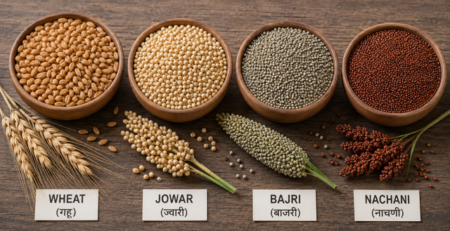
Ragi or nachani
Rajgira
Sesame seeds (til)
Soy products
Developing strong bones early in life is one of the best long-term investments in health.
***
3. Vitamin D: The Calcium Partner
Vitamin D helps the body absorb and utilise calcium effectively.
Sources include:
Sensible sunlight exposure
Egg yolks
Fatty fish
Fortified foods where available
Vitamin D deficiency is common, even in our sunny country, making outdoor activity especially important.
***
4. Iron: Supporting Growth and Vitality
Iron is essential for oxygen transport, energy production, and cognitive function.
Good sources include:
Eggs
Fish and meat
Dal, lentils and legumes like rajma and chana
Soy products
Green leafy vegetables
Combining iron-rich foods with vitamin C-rich foods such as Indian gooseberries (amla), guava, or citrus fruits, lemon can improve absorption.
***
5. Healthy Fats: Important for Growing Bodies
Children need dietary fats for energy, brain development, hormone production, and the absorption of fat-soluble vitamins.
Nutritious sources include:
Almonds, walnuts, and other nuts
Groundnuts and sesame seeds
Fish
Dairy products
Avocado
***
6. Fruits and Vegetables: Think Colours, Not Categories
Rather than focusing on specific fruits or vegetables, encourage variety.
A colourful plate naturally provides:
Vitamins and minerals
Fibre
Beneficial plant compounds and antioxidants
Greater dietary diversity
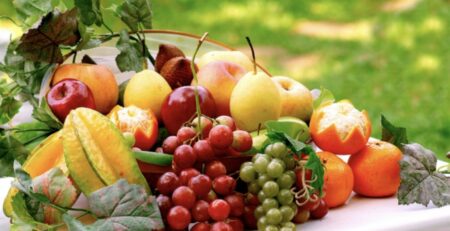
Green, red, yellow, orange, and purple fruits and vegetables all contribute unique nutritional benefits.
***
7. Foods Best Kept To The minimum
These foods are best treated as occasional treats rather than daily staples.
These include:
Sugary drinks
Packaged fruit juices
Chips and packaged snacks
Bakery products
Fast food
Sweets and confectionery
The concern is not the occasional indulgence but the displacement of more nutritious foods.
***
A Simple Practical Approach
A balanced day might include:
Breakfast:
Milk
Eggs or paneer
Poha, thalipith or paratha, idli, dosa
Lunch:
Chapati, bhakri or rice, brown rice better than white
Pulses and legumes in the form of dal, varan, amti, sambar, usal
Vegetables
Curds, buttermilk
Adding home made paneer from low fat milk, tofu, eggs, fish, or chicken in main meals, depending upon being vegetarian or mix food eating families, is healthy.
Evening:
Fruit
Milk
Dinner: Same as lunch.
Substitute Meals: Thalipith of mix cereals and pulse flours added with green or red leafy vegetables, or vegetable parathas and usal or idli – dosa, sambar and vegetables, meaning dishes prepared with all the major essentials components viz. cereals, pulses, vegetables could add variety to the normal meals, keeping the nutritional values essentially the same.
***
Nutrition and Physical Activity Go Hand in Hand
Even the best diet cannot fully compensate for a sedentary lifestyle. Outdoor play, sports, cycling, running, climbing, and active recreation are essential partners to good nutrition.
The goal is not dietary perfection. The goal is to create a pattern of eating and activity that supports healthy growth, strong bones, physical fitness, and lifelong well-being.
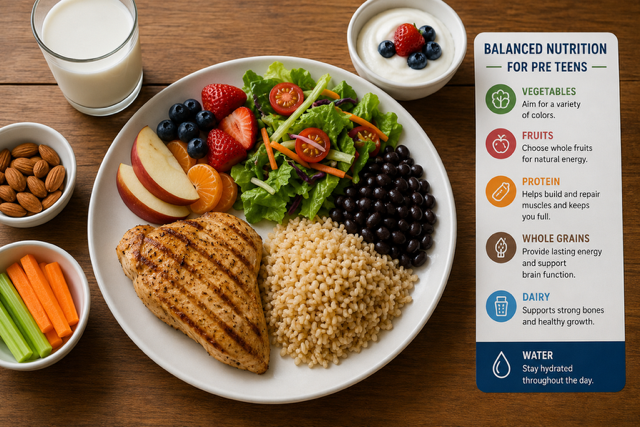
Healthy childhood nutrition is usually simple: regular meals, adequate protein, calcium-rich foods, a variety of fruits and vegetables, healthy fats, and plenty of physical activity.
The foundations of adult health are often laid quietly in childhood—not through supplements or fads, but through simple, nourishing food and active living.
***
Most important, children learn more from what they see their parents do, rather than what they tell. Parents who regularly eat balanced meals, include fruits and vegetables, enjoy home-cooked food, and remain physically active provide a powerful example. Healthy habits are often caught rather than taught.
Related article: