Uncategorized

Small Lifestyle Changes Make Big Impact On Health!

Small Lifestyle Changes Can Make A Big Impact On Health!

Making small but significant changes in our lifestyle can radically change our physical and mental health!

Adapting a healthy lifestyle:

Healthy lifestyle revolves around balanced nutrition, regular physical activity and mental peace and happiness.

Balanced Nutrition:

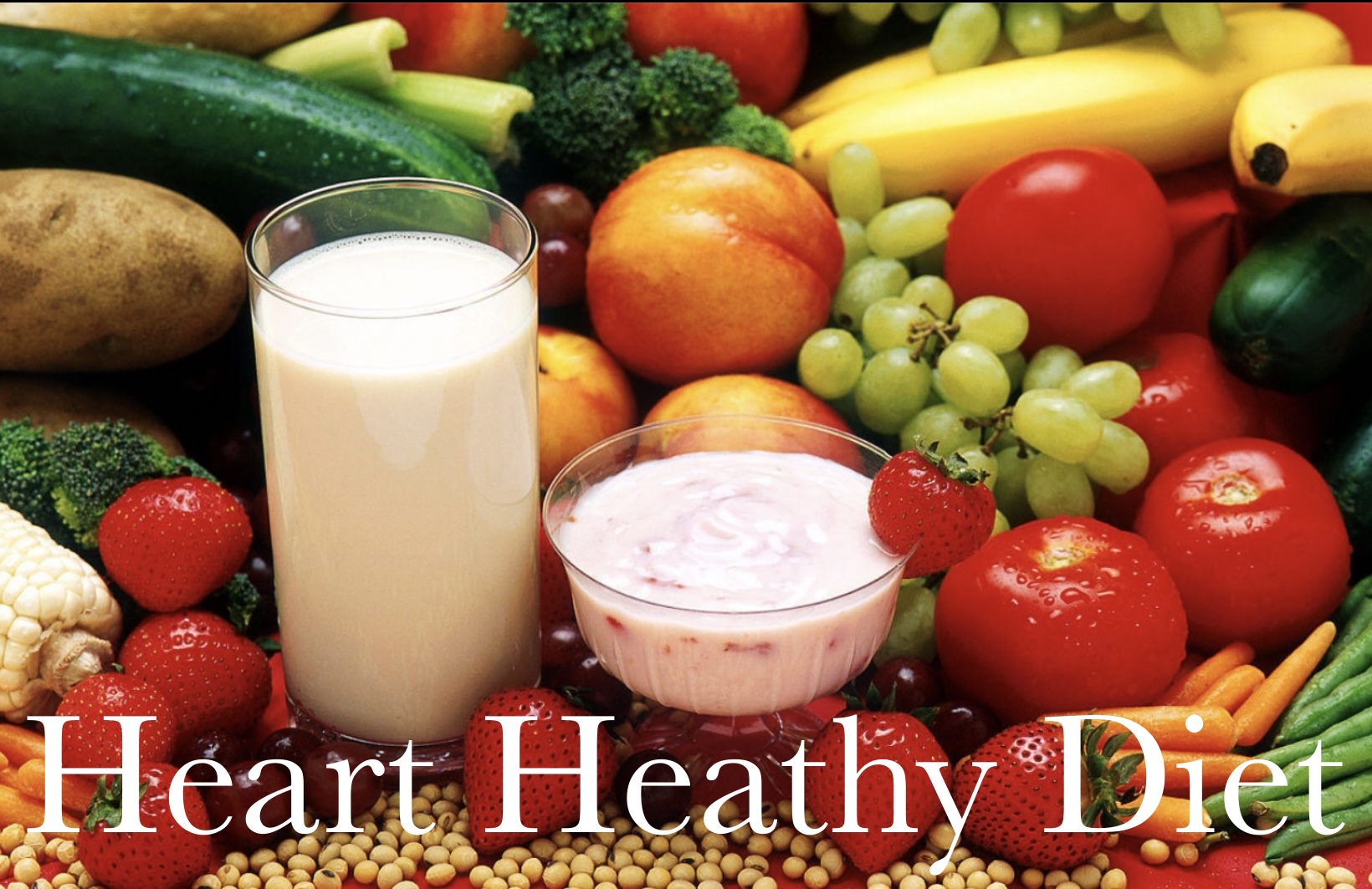
Eat a variety of whole foods including whole grain cereals and pulses, fruits, vegetables and nuts, low fat milk and dairy and healthy fats for vegetarians. And also sea fish, eggs and other lean proteins, for mix food eaters.

Reduce intake of processed foods like refined sugar, refined carbohydrates like rava, maida, bakery products, fried food and trans fats, and high-sodium foods.

Drink plenty of water daily.

Learn to eat sensibly and moderately. Avoid overeating.

Regular Physical Activity:

Walking sufficiently and regularly is the easiest exercise most people can take up easily.

Younger and fitter people can also take up more intensive aerobic exercises like jogging, running, swimming, or cycling for at least 150 minutes per week.

In addition to walking or other cardiovascular exercises, those who have access to trained instructors can take up strength training or resistance exercises twice a week and yoga or stretching exercises.

Sit less, keep moving, walk as much as possible, climb stairs more than using an elevator.

Mental peace and happiness:

Manage stress, take up practices like yoganidra, meditation, pranayama, deep breathing, or take up some hobbies.

Aim to get 7 to 9 hours of quality sleep at night.

Healthy Habits and Routine:

Maintain a consistent sleep-wake cycle.

Quit tobacco, smoking, limit or stop consumption of alcohol.

Maintain healthy weight.

Get regular medical check ups, make sure your blood pressure, blood sugars and lipids are normal.

Keep an eye on your renal function and the health of your eyes if you have diabetes.

ESR and C Reactive Protein are markers of inflammation, keep an eye on them.

Incorporating these small changes in your lifestyle can significantly improve overall health and longevity.

***

Impact on health:

Improved lifestyle will improve cardiovascular fitness, help lower blood pressure, blood sugar, cholesterol and triglycerides, improve HDL cholesterol and protect us from hypertension, heart disease and strokes.

Better muscle health will help reduce insulin resistance, lower blood insulin levels and blood sugars and protect us from diabetes.

Eating sensibly and moderately and exercising regularly will help lower and maintain weight at a healthy level and prevent obesity and obesity related diseases.

It helps improve immunity and helps prevent infections and chronic illnesses.

It helps improve muscle and bone health.

It helps reduce stress, and anxiety, improves mood, improves memory, concentration and cognitive abilities, reduces the risk of neurodegenerative diseases like dementia, Alzheimer’s and Parkinson’s disease and helps improve mental health.

It helps improve digestion and helps prevent constipation, hyper acidity, acid reflux, irritable bowel syndrome (IBS), and ulcers.

It helps prevent and manage diabetes by reducing sugar spikes and improving insulin sensitivity and helps improve metabolic health.

Improved metabolism supports efficient energy production and fat burning, reducing the risk of metabolic syndrome.

It improves sleep quality by helping maintain healthy melatonin levels and promoting better sleep.

It helps improve hormonal balance, improves reproductive health and overall body functions.

It slows down ageing and helps prevent chronic diseases like cancer, hypertension and arthritis.

Also read the articles ‘Simple Steps To Slimming’ and ’Walking To Be Slim And Healthy’ on this website.

Also read the articlesSimple Steps To SlimmingandWalking To Be Slim And Healthy on this website.

***

जीवनशैलीतील छोटे बदल आपले आरोग्य आणि जीवन बदलू शकतात!

आपल्या जीवनशैलीत छोटे पण सुयोग्य बदलांमध्ये आपले आरोग्य आणि संपूर्ण जीवन बदलण्याची शक्ती असते!

आणि असे बदल करणे सहज शक्य असते, त्यात फार अवघड असे काही नसते!

असे करण्यासाठी आपल्याला थोडी अधिक चांगली जीवनशैली स्वीकारण्याची गरज असते.

हेल्थी (हेल्दी) जीवनशैली:

हेल्थी (हेल्दी) जीवनशैली मध्ये आपल्याला थोडे अधिक चांगले, बॅलन्स्ड न्युट्रिशन घेणे, नियमित एक्सरसाईज करणे आणि थोडे अधिक एक्टिव्ह राहण्याची आणि मन शांत आणि आनंदी ठेवण्याची गरज असते.

बॅलन्स्ड न्युट्रिशन: 

आपल्याला न्युट्रिशन बॅलन्स्ड राखण्यासाठी आणि अधिक परिपूर्ण प्रोटीन्स मिळण्यासाठी आपल्या आहारात पोळी, भाकरी, भात (सीरीयल किंवा धान्य) आणि वरण, आमटी, सांबार, उसळी (पल्सेस किंवा कडधान्य) हे एकत्रित घेणे आवश्यक असते.

ह्याशिवाय आपल्या आहारात फळे, भाज्या, नट्स, साय काढलेले दूध आणि दही, ताक, हेल्थी फॅट्स आणि खाद्य तेल, आणि मांसाहारी लोकांमध्ये सागरी मासे, अंडी आणि लीन (लो फॅट) प्रोटीन्स ह्यांचा समावेश असावा लागतो.

उत्तम आहारासाठी आपल्याला साखर, गूळ, रवा, मैदा सारखे रिफाइंड कार्बोहायड्रेट्स, तळलेले पदार्थ, ट्रांस फॅटस, आणि हाय सोडियम पदार्थ टाळणे आवश्यक असते.

आणि असा आहार सेन्सिबली आणि माफक प्रमाणात खाणे आणि ओव्हर इटिंग (अतिसेवन) पूर्णपणे टाळणे आवश्यक आहे.

ह्याबरोबर दिवसभर पुरेसे पाणी पिणे ही आवश्यक आहे.

नियमित एक्सरसाईज:

नियमित वॉकिंग सुरू करणे आणि फिटनेस वाढेल तसे ते वाढवणे हा उत्तम एक्सरसाईज आहे आणि तो बहुतेक सर्व वयातील बहुतेक लोक सहज करू शकतात.

आधी तरुण आणि फिट लोक जॉगिंग, रनिंग, सायकलिंग, स्विमिंग किंवा ट्रेडमिल, एलिप्टिकल ट्रेनर सारखे कार्डियोव्हॅस्क्युलर एक्सरसाईज ही करू शकतात.

वजन कमी करण्यासाठी आणि हृदयाचे आरोग्य उत्तम राखण्यासाठी रोज वॉकिंग किंवा इतर कार्डियोव्हॅस्क्युलर एक्सरसाईज हे सर्वोत्तम एक्सरसाईज आहेत.

शिवाय ज्यांना तज्ज्ञ ट्रेनर उपलब्ध असतील त्यांनी आठवड्यातून दोनदा स्ट्रेंग्थ ट्रेनिंग, फ्लोर एक्सरसाईज आणि किंवा तज्ज्ञ गुरु उपलब्ध असतील त्यांनी आठवड्यातून दोनदा किंवा तीनदा योग करण्यास हरकत नाही.

ह्याबरोबरच कमी वेळ बसा, जमेल तितका वेळ हालचाल, चालणे चालू ठेवा, गुडघे दुखी किंवा टाच दुखी नसेल तर सतत लिफ्ट न वापरता रोज थोडे जिने चढण्या उतरण्याची सवय ठेवा, पण त्याचा अतिरेक करू नका. आणि अगदी खूपच फिट नसाल तर जिने पळत चढणे उतरणे तर अगदीच टाळा.

मन शांत आणि आनंदी ठेवणे:

स्ट्रेस मॅनेज करा, योगनिद्रा, मेडिटेशन (ध्यान), प्राणायाम करा, एखादी हॉबी आत्मसात करा. उत्तर वयात सुध्दा लोक गाणे, चित्रकला, पेंटिंग किंवा लेखन, कविता करणे ह्या सारखे छंद जोपासताना दिसतात, अशा हॉबीज किंवा छंद खूप आनंद आणि मनशांती देऊन जातात.

शिस्तबध्द सवयी लावून घ्या.

खाण्या, पिण्याच्या, एक्सरसाईजच्या आणि झोपण्याच्या वेळा सांभाळा.

रात्री दहा पर्यंत झोपण्याची आणि सात ते नऊ तास झोप मिळवण्याची सवय करा.

स्मोकिंग करत असलात तर बंद करा, अल्कोहोलिक ड्रिंक्स घेत असाल तर अगदी कमी किंवा बंद करा.

वजन जास्त असेल तर कमी करा आणि नियंत्रणात ठेवा.

रेग्युलर मेडिकल चेक अप करवून घ्या, ब्लड प्रेशर, हीमग्रॅम, ब्लड शुगर, लिपिड प्रोफाईल वर लक्ष ठेवा.

डायबीटिस असेल तर रिनल फन्क्शन आणि डोळ्यांच्या आरोग्याकडे लक्ष ठेवा.

इएसआर आणि सी रिॲक्टीव्ह प्रोटीन हे इनफ्लमेशन मार्कर्स आहेत, त्यावर लक्ष ठेवा.

आपल्या जीवनशैलीत हे छोटे बदल केले तर आपले आरोग्य आणि संपूर्ण आयुष्याच बदलू शकते.

***

अशा जीवनशैलीतील बदलांचे आरोग्यावर होणारे परिणाम:

जीवनशैलीतील बदलांनी आपला कार्डियोव्हॅस्क्युलर फिटनेस वाढतो, म्हणजे आपल्या हृदय, फुप्फुसे आणि ब्लड सर्क्युलेशन ह्यांची कार्यक्षमता वाढते, ब्लड प्रेशर, ब्लड शुगर, कोलेस्टेरॉल, ट्रायग्लिसराईड्स, ह्यांच्या लेव्हल्स कमी होतात, एच डी एल (चांगले) कोलेस्टेरॉल च्या लेव्हल्स वाढतात आणि आपल्याला हृदयविकार आणि स्ट्रोक्स पासून संरक्षण मिळते.

मसल्स (स्नायू) चे आरोग्य सुधारते आणि त्यामुळे त्यांची इन्सुलिन वापरण्याची क्षमता वाढते आणि रक्तातील इन्सुलिन लेव्हल्स आणि इन्सुलिन रेझिस्टन्स कमी होतात आणि आपल्याला डायबीटिस पासून संरक्षण मिळते आणि आपले मेटबॉलिक आरोग्य सुधारते.

सेन्सिबली आणि माफक खाण्याने आणि नियमित एक्सरसाईज करण्याने वजन कमी होते आणि आपल्याला लठ्ठपणामुळे होणाऱ्या आजारांपासून संरक्षण मिळते.

आपली इम्युनिटी (रोग प्रतिकारक शक्ती) सुधारते, आणि त्यामुळे आपल्याला इन्फेक्शन्स आणि क्रॉनिक (मोठ्या) आजारांपासून संरक्षण मिळते.

आपल्या मसल्स (स्नायू) आणि हाडांचे आरोग्य सुधारते.

स्ट्रेस, ॲन्गझायटी (काळजी) कमी होते, मूड चांगला राहतो, स्मरणशक्ती, एकाग्रता, कॉग्निटिव्ह (आकलन) क्षमता सुधारते, आणि डिमेंशिया, अल्झायमर्स, पार्किनसन्स सारख्या मेंदूच्या डिजनरेटिव्ह आजारांपासून आपल्याला संरक्षण मिळते.

आपली अन्न पचनशक्ती सुधारते, कॉन्स्टिपेशन (बद्धकोष्टता), हायपरॲसिडिटी, अल्सर आणि इरिटेबल बॉवेल सिंड्रोम (आय बी एस) सारख्या आजारांपासून आपल्याला संरक्षण मिळते.

मेटबॉलिक आरोग्य सुधारल्यामुळे आपल्याला मेटबॉलिक सिंड्रोम होण्यापासून संरक्षण मिळते आणि त्यामुळे हायपरटेन्शन, हृदयविकार, स्ट्रोक्स आणि डायबीटिस हे आजार होण्यापासून पासून संरक्षण मिळते.

आपल्या शरीरातील मेलटोनीन ह्या झोप आणि जाग येणे ह्यांची सायकल नियमित करणाऱ्या आणि झोपेची क्वालिटी चांगली राखणाऱ्या हॉर्मोन च्या लेव्हल्स नार्मल राखल्या जातात आणि त्यामुळे आपली झोप सुधारते, जी आपले आरोग्य उत्तम राखण्यासाठी आवश्यक असते.

आपल्या शरीरातील हॉर्मोन्स चा बॅलन्स उत्तम राखला जातो आणि त्यामुळे शरीराची विविध कार्ये आणि रिप्रॉडक्टिव्ह हेल्थ चांगली राखली जातात.

एजिंग स्लो डाऊन होते आणि कॅन्सर, हायपरटेन्शन, आर्थरायटिस सारख्या क्रॉनिक आजारांपासून संरक्षण मिळते.

Diabetes Reversal!

Is Diabetes Reversal Even Possible?

Diabetes is of two types, Type 1 and Type 2 diabetes.

Of these Type 1 diabetes is an autoimmune condition in which the body does not produce insulin.

That is why Type 1 diabetics need to take insulin lifelong and thus it cannot be reversed.

Some of the Type 2 diabetes patients can be managed or even sent into remission with healthy lifestyle changes including healthy diet, regular exercise and weight loss.

Research indicates that around 30 to 50 per cent of newly diagnosed Type 2 diabetics can achieve good blood sugar control with lifestyle interventions (heathy diet, exercise, and weight loss) alone.

Studies show that losing 5 to 10 per cent of body weight can significantly improve blood sugar control, and some individuals can even achieve remission viz. normal blood sugar without medication.

Remission vs. Reversal: Remission means that blood sugar levels are within a normal range without the need for medication, but it does not mean the condition is cured. If lifestyle changes are not maintained, blood sugar levels can rise again.

Misleading Advertising: Some advertisers may use the term diabetes reversal to promote products or programs that claim to cure diabetes. These claims are often exaggerated or lack scientific backing. Be wary of products that promise quick fixes, miracle cures, or require you to stop prescribed medications without medical supervision.

Always consult your doctor before making significant changes to their treatment plan or trying new products. Medical professionals can provide guidance based on individual health needs.

While the condition pre diabetes is reversible, the claims of diabetes reversal are highly questionable.

Summary: While managing and potentially putting Type 2 diabetes into remission is possible for some people, the idea of a universal or permanent cure is often overstated by advertisers. Always consult your doctors before trying a new treatment on your own.

***

We have always helped people get slim and healthy by only simply nutritionally fine tuning their original food patterns and keeping the food plan as close to their original food habits as possible and planning exercise mostly in the form of walking regularly, which most people easily can, not only at our Slimming Centre in Pune, but also all over the world, on our ‘Distance Program’.

On such treatment people can get slim and healthy and overcome various diseases associated with obesity including hypertension, diabetes, heart disease, assuredly and happily, as their nutrition and fitness improve dramatically!

While most of the obesity clinics or weight loss treatments in Pune or anywhere else rely on low calorie diets in one form or another to treat obesity, such treatments cannot help people get slim and healthy long term, much less overcome diseases associated with obesity.

Also read the article ‘Preventing Diabetes’ on this website.


डायबीटिस रिव्हर्सल: सत्य की असत्य?

डायबीटिस दोन प्रकारचे असतात.

डायबीटिस टाइप 1 आणि डायबीटिस टाइप 2.

ह्या पैकी डायबीटिस टाइप 1 हा ऑटोइम्यून आजार असून त्यामध्ये शरीर इन्सुलिन निर्माणच करत नाही.

त्यामुळे हा आजार असलेल्या लोकांना आयुष्यभर इन्सुलिन घ्यावे लागते आणि ह्या आजाराचे रिव्हर्सल हाऊच शकत नाही.

तर डायबीटिस टाइप 2 असणाऱ्या लोकांमधील काही लोकांचा डायबीटिस हेल्दी आहार, नियमित एक्सरसाईज आणि वजन कमी करू शकणाऱ्या हेल्दी जीवनशैली बदल करण्याने मॅनेज किंवा रेमिशन मध्ये सुद्धा जाऊ शकतो.

रेमिशन म्हणजे ब्लड शुगर्स केवळ उत्तम जीवनशैली बदलांनी औषधांशिवाय नॉर्मल राखणे.

ह्या विषयीच्या रिसर्च मध्ये असे आढळून आले आहे की नव्याने डायबीटिस झालेल्या लोकांमध्ये 30 ते 50 टक्के लोकांना केवळ अधिक चांगला आहार, नियमित एक्सरसाईज आणि वजन कमी करू शकणारी जीवनशैली स्वीकारण्याने त्यांच्या ब्लड शुगर च्या लेव्हल्स नॉर्मल राखता येतात.

रिसर्च मध्ये असे ही आढळून आले आहे की केवळ 5 ते 10 टक्के वजन कमी करण्याने डायबीटिक लोकांच्या ब्लड शुगर्स मध्ये सिग्निफिकन्ट सुधारणा होते तर काही लोकांचा डायबीटिस रेमिशन मध्ये ही जाऊ शकतो, म्हणजे ब्लड शुगर्स औषधांशिवाय ही नॉर्मल राहू शकतात.

पण औषधांशिवाय डायबीटिस  रेमिशन मध्ये जाणे म्हणजे डायबीटिस बरा किंवा रिव्हर्स होणे नाही, जर का ह्या डायबीटिस रेमिशन मध्ये गेलेल्या लोकांनी जीवनशैली मधील बदल सोडून दिले, तर त्यांच्या बल्ड शुगर्स पून्हा वाढू लागतील.

ह्याचाच अर्थ डायबीटिस कायम स्वरूपी बरा होणारा आजार नाही.

म्हणजेच डायबीटिस रेमिशन होऊ शकते, ते सुद्धा काही लोकांमध्ये, सर्वांमध्ये नाहीपण रिव्हर्सल मात्र होऊ शकत नाही.

म्हणूनच सरसकट सर्वांचे डायबीटिस रिव्हर्सल चा दावा करणाऱ्या उपचारांवर प्रश्नचिन्ह उभे राहते.

तुमच्या डायबीटिस चे आणि तुमचे पर्सनलाईज्ड उपचार केवळ तुमचे डॉक्टरच करू शकतात.

त्यांचा सल्ला घेता असे कोणतेही रिव्हर्सल उपचार सुरू करणे योग्य नाही.

सुयोग्य आहार, एक्सरसाईज आणि वजन कमी करण्याने प्री  डायबीटिस रिव्हर्स होऊ शकतो डायबीटिस नाही.

प्री डायबीटिस किंवा डायबीटिस दोन्ही साठी तुम्ही सुयोग्य आहार, एक्सरसाईज आणि वजन कमी करण्याने फायदाच होईल, तरी डायबीटिस साठी तुमच्या डॉक्टरांच्या सल्ल्या बरोबरच वजन ही कमी करा, त्याचा तुम्हाला अधिक फायदा होईल.


Overcoming PCOS And PCOD: The Role Of Weight Loss in Fertility Treatment!

And Effect of Weight Loss On PCOS, PCOD And Infertility!

It is a well known fact that obesity is closely associated with or is one of the major causes of PCOS and PCOD, miscarriages and primary and secondary infertility.

PCOS is a metabolic, endocrine and systemic disorder that is not limited to the ovaries.

It is characterised by insulin resistance, raised levels of insulin, androgens and LH, and reproductive dysfunction.

Excess weight increases insulin levels and insulin resistance and this leads to raised levels of androgens and LH and exacerbates PCOS.

PCOD on the other hand is considered more a lifestyle and ovarian disorder and less a systemic disorder than PCOS but it also is characterised by insulin resistance and androgen excesses, but it does not feature raised LH levels.

Another feature that differentiates between the two is inflammation. Inflammation is seen PCOS but not in PCOD.

Obesity is known to cause menstrual irregularities, poor or complete absence of ovulation, lowered chances of conception, increased chances of miscarriages, increased risk of complications during pregnancy and child birth.

In short, it means that many a young women are deprived of natural motherhood only because they are overweight or obese.

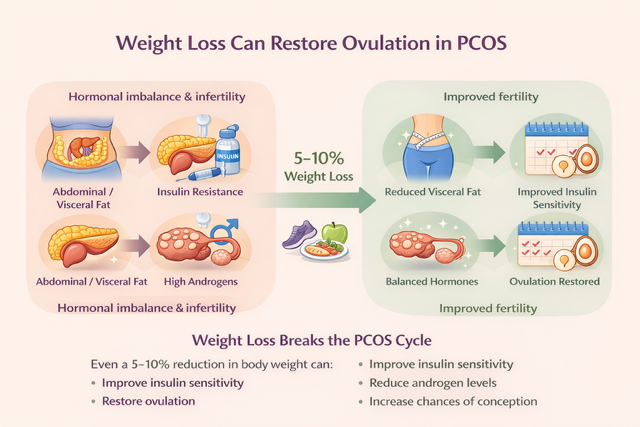
Losing a even a small amount of weight, as little as five per cent, will help their periods become regular, ovulation to improve, dramatically improve their chances of conceiving naturally, having a safe pregnancy without miscarriages and a safe delivery and having a healthy child.

Research has proved that even five per cent drop in body weight of obese young women has helped them drop an average of eleven per cent of their abdominal fat, reduced their waist circumference measurements by four cm, increased their insulin sensitivity by an amazing seventy one per cent, lowered their insulin, android and LH levels and improved the hormonal environment in their bodies, restored their regular menstruation and ovulation and improved their pregnancy rates.

Balanced nutrition, focusing on complex carbohydrates and avoiding simple carbohydrates and including anti inflammatory foods in daily diet improves the insulin sensitivity, lowers insulin levels and insulin resistance.

Eating healthy and exercising regularly helps weight loss, lowers insulin resistance, lowers androgens and LH levels and helps reverse both PCOS and PCOD.

Regular exercise improves insulin sensitivity of muscles and lowers insulin levels which in turn lowers the androgen and LH levels in PCOS and androgen levels in PCOD.

Both conditions and especially PCOS is often treated with medications like metformin and oral contraceptives with either oestrogen and progestin combined pills or progestin alone pills and medicines to stimulate ovulation and others to treat other symptoms of PCOS.

Lifestyle changes offer long-term benefits for managing symptoms and preventing complications, whereas medications often provide temporary relief and may need to be taken continuously to maintain their effects.

Irrespective of whether it is PCOS or PCOD, eating healthy, beginning to exercise and losing weight usually corrects the cycles and reverses the conditions.

***

We have inspired and helped a large number of young ladies adapt healthy, balanced nutrition and exercise even as simple as walking, as a lifestyle and lose weight to overcome their obesity, PCOS or PCOD and infertility. 

And this we have done not only in our Obesity Clinic in Pune, but also all over the world, on our ‘Distance Program’!

Absolutely balanced nutrition and exercise even as simple as walking have always been at the core of our Weight Loss Treatment in Pune and all over the world.

***

Also read the articles’Health Problems Of The Young: PCOS and PCOD!’ And ‘Slim Women Are Healthy Women’ on this website.

Why Eat Nuts With Skin?

The Health Benefits Of The Nut Skin!

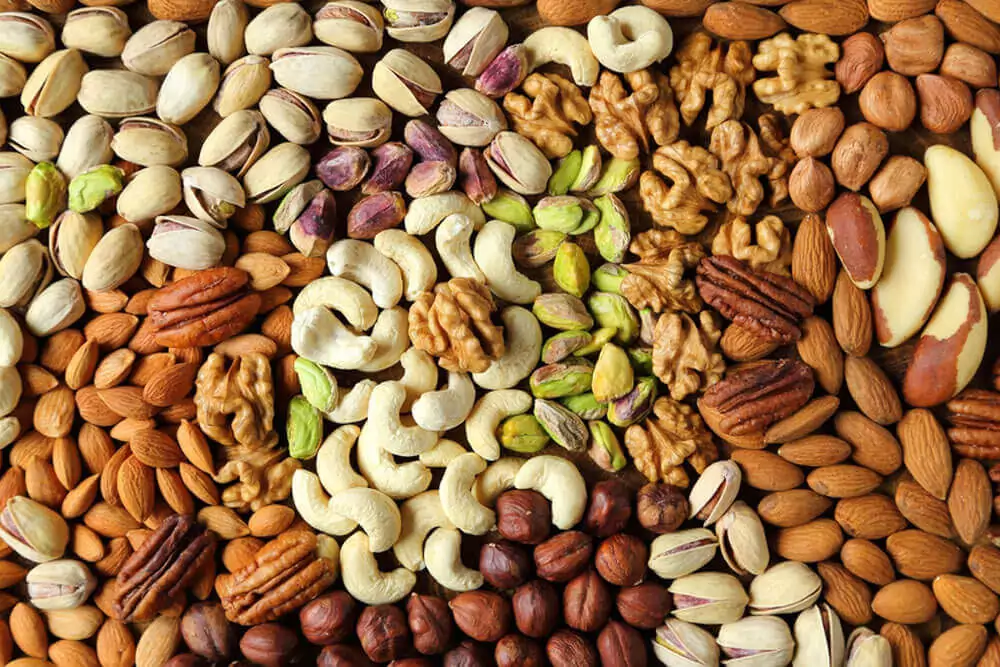
The skin of all nuts including almonds, walnuts, pistachios, cashew nuts, hazelnuts, pecans and also peanuts has a wealth of nutrition and we stand to lose this invaluable nutrition if we eat them without their skin.

Although cashew nuts are majorly sold minus their skin, they are also available with skin. It is healthier if we eat them with the skin.

Many people eat almonds after soaking and removing their skin, but this practice is robbing them of valuable nutrition.

Nut skin is rich in fibre, mostly insoluble fibre.

Many people know that nuts have ample fibre, what few know is that most of it is present in the skin and only fraction of it is in the nut proper.

Insoluble fibre slows down digestion of food and improves its satiety and prevents over eating.

It also slows down absorption of sugar from the carbohydrates in the food, helping control blood sugar levels, helps digestion and facilitates passage of stools out of the body, preventing constipation and helps keep the bacterial flora in the intestines healthy. This healthy bacterial flora helps digestion.

Nut skin is also rich in various antioxidants, vitamins and minerals.

Almond: The brown skin of almonds are rich in polyphenols (antioxidants), such as flavonoids and phenolic acids. It also has trace amounts of vitamin E and minerals like magnesium, calcium and potassium.

Walnuts: The thin, papery skin of walnuts has tannins (antioxidants) and polyphenols and is also packed with essential minerals like copper and manganese.

Pistachios: The greenish-purple skin of pistachios is rich in carotenoids, anthocyanins, and phenolic compounds and it also provides vitamins (B6) and minerals like potassium and magnesium.

Cashew nuts: Cashew nut skin is rich in flavonoids and also provides trace minerals like magnesium and zinc.

Hazelnuts: The brown skin of hazelnuts is rich in powerful antioxidants viz. proanthocyanidins and provide vitamins like E and minerals like manganese and copper.

Pecans: The skin of pecans contains ellagic acid and other phenolic compounds and essential minerals like manganese and zinc.

Peanuts: Peanut skin is rich in fibre and polyphenols like resveratrol. It is also known to have Vitamin E and biotin (B7), niacin (B3), folate (B9), thiamine (B1), and riboflavin (B2). It also has minerals like magnesium, potassium, zinc, iron. Peanut skin also has small amounts of proteins and healthy fats, including essential fatty acids.

Health Benefits of Antioxidants:

Antioxidant reduce Oxidative Stress: Protects cells from free radical damage.

 Lower Risk of Chronic Diseases: Reduces inflammation and supports heart, brain, and immune health.

Promotes Healthy Aging: Protects skin and other tissues from aging effects.

Improves Eye Health: Carotenoids like lutein and zeaxanthin support vision.

Health benefits of vitamins and minerals:

Vitamin E is a powerful antioxidant.

Vitamins C and E strengthen immunity.

Essential vitamins and minerals support overall health, enhance nutrient intake and

bolster immune function.

A note of caution:

Eat nuts moderately. They are high fat and high calorie and can cause weight gain.

Do not snack on them indiscriminately.

Tannins work as antioxidants in moderate amounts, but can interfere with nutrient

absorption if consumed in large quantities.

Also read the article ’Lots Of Cheese And Nuts Won’t Make You Slim!

Effect Of Soaking On Cereals, Pulses And Nuts!

Soaking Cereals, Pulses And Nuts In Water!

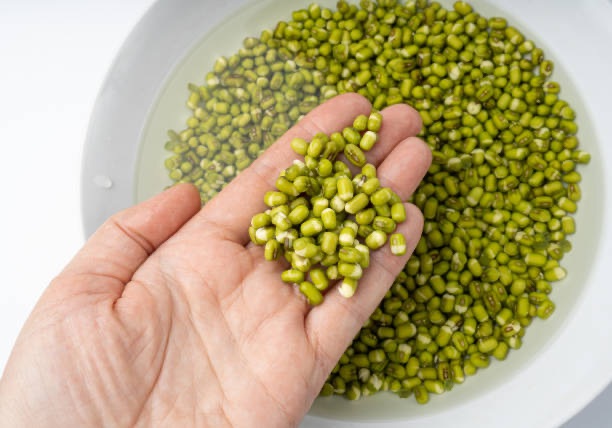
Soaking cereals, pulses and nuts is a common precooking practice and it has several benefits and one notable drawback.

Benefits:

Soaking reduces certain anti nutritional factors like phytic acid, tannins and trypsin inhibitors those can inhibit and reduce the absorption of some minerals like calcium, iron and zinc available in cereals, pulses and nuts.

Soaking helps break down carbohydrates and proteins making them easier to digest.

It activates digestive enzymes like amylases and proteases.

Amylases, produced by salivary glands and pancreas help breakdown complex carbohydrates into simple sugars like maltose and glucose.

Proteases like pepsin produced in stomach and trypsin, chymotrypsin produced in pancreas (trypsin, chymotrypsin), and lysosomal proteases produced in cells help breakdown complex protein molecules into smaller protein molecules and amino acids.

Water absorption during soaking softens the outer layer of grains and nuts, reducing the cooking time and makes cereals and pulses less brittle and improves taste.

It removes some undesirable flavours like bitterness from pulses and nuts and improves their taste.

Longer soaking initiates germination and improves their nutritional value, notably Vitamin C and further reduces anti nutritional factors in the grains and also enhances enzymatic activity that improves digestibility of the grains.

It helps remove contaminants like dirt, debris, and pesticide residues, making them safer to consume.

Discarding the soaking water helps remove anti nutrients and impurities.

Drawback:

Some water soluble vitamins like the B vitamins and C and certain minerals may be leached into the discarded water and are lost in soaking.

Conclusion:

Overall, soaking is a beneficial practice that enhances the usability and nutritional value of cereals, pulses, and nuts, although some nutrient loss is also incurred in throwing away the soaking water.

Also read the article ’Basics Of Nutrition’ on this website.

Significance Of Wheat, Gluten Intolerance, Celiac Disease And Wheat Allergy!

Understanding The Significance of Wheat And The Conditions It Can Cause!

Wheat is the second largest cultivated cereal crop of the world, next only to maize.

Wheat is the second largest staple food of the world population, next only to rice.

The wheat crop cultivation covers more land than any other cereal in the world.

Its turnover in the world market is larger than that of all other cereals put together.

The wheat grain has 71% carbohydrates, 13% proteins, fibre, some B vitamins, folate, Vitamins E, some minerals, phytochemicals, antioxidants and some good fatty acids.

The carbohydrates in the whole wheat grain are majorly healthy complex carbohydrates viz. starch and fibre and some sugars.

Wheat (chapati / roti) when combined with pulses (varan / amti / dal / usal) provide us with most of the good quality proteins in a vegetarian diet.

Wheat provides us with 327 calories per hundred gm.

Thus wheat is a very important source of calories, carbohydrates, proteins, small amounts of healthy fats, vitamins and minerals for a large proportion of the world population.

Wheat chapatis or roti are the main ingredient of regular meals for most Indians.

A small percentage of people in the world find it difficult to tolerate wheat, but this shouldn’t stop most of the world population from consuming the second most significant staple food of the world!

***

Wheat protein:

Wheat protein is majorly composed of gluten, constituting 75 to 80 per cent of the wheat protein.

Gluten is also found in two other cereals viz. barley and rye. Of three gluten containing cereals, wheat is the most commonly consumed cereal in India, along with rice.

Gluten is a complex mixture of majorly two proteins viz. gliadins and glutenins.

Gliadins are proteins made up of single molecules. They are soluble in alcohol and their presence makes the dough more stretchable.

Glutenins are proteins made up of multiple molecules linked together. Their presence is responsible for the elasticity and strength of the dough.

When water is added to flour and the mixture is kneaded, gliadins and glutenins interact to form a network of gluten, giving the dough its elastic and chewy texture. This gluten network traps gases produced by yeast during fermentation, allowing the dough to rise and giving baked goods their structure.

***

Gluten intolerance:

A few people in the world experience digestive problems like bloating, abdominal pain, diarrhoea or constipation and gases on consuming wheat. They may also experience fatigue, headaches, brain fog, joint pain, numbness, tingling, skin complaints and weight fluctuations, on consuming wheat, barley or rye.

These could be signs and symptoms of gluten intolerance, also known as non-celiac gluten sensitivity.

It is difficult to determine the true prevalence of gluten intolerance since there are no specific biomarkers for diagnosing it.

Most estimates are based on self-reported symptoms or exclusion diets.

Various studies in different population groups place the prevalence of gluten intolerance between 0.5% to 6%.

But it is likely that it is increasing due to increasing gluten content of wheat crop to improve the crop resistance and the texture and shelf life of baked wheat products and a combination of genetic, environmental, and lifestyle factors.

***

Celiac Disease:

This is an autoimmune disorder that affects about 1% of the population.

It is an autoimmune disorder that primarily affects the small intestine. It is triggered when people with celiac disease consumes gluten, their immune system reacts by damaging the lining of the small intestine, leading to poor absorption of nutrients and a range of symptoms similar to those of gluten intolerance.

Damage to the small intestinal lining that is seen in Celiac Disease is not seen in gluten intolerance.

So Celiac Disease causes multiple nutritional deficiencies, which are not seen in gluten intolerance.

Unlike gluten intolerance, Celiac disease has very specific biomarkers. It is diagnosed through following tests:

Blood tests: Screening for specific antibodies, such as tissue transglutaminase antibodies (tTG-IgA).

Endoscopy and biopsy: A sample from the small intestine is taken to confirm damage to the intestinal lining.

People with Celiac Disease must completely exclude gluten from their food to prevent damage to their intestines and other health issues.

Complete exclusion of gluten from food is the only treatment of the Celiac Disease. Total abstinence from gluten containing cereals allows the intestines to heal in time.

***

 Wheat Allergy:

This is an allergic reaction to proteins found in wheat, including but not limited to gluten, and affects a smaller percentage of the population, typically 0.2% to 0.5%.

Wheat allergy is an allergic reaction to wheat proteins, it does not include barley and rye.

Wheat allergy involves the immune system mistakenly identifying wheat proteins, not necessarily only gluten, as harmful, triggering allergic symptoms.

It can trigger skin reactions like hives, rashes, swellings; digestive symptoms like nausea, vomiting, painful cramps; respiratory symptoms like nasal congestion, sneezing and dyspnea or difficulty in breathing.

It can also cause anaphylaxis, a severe, potentially life threatening medical emergency that causes swelling of the throat, difficulty breathing, rapid heartbeat, and a drop in blood pressure. It requires immediate medical attention.

***

People who do not have any of these conditions, can safely continue to consume wheat!

Please also read ‘Wheat Is A Healthy Cereal’ on this website.

Acanthosis Nigricans: Dark, Thickened, Velvety Patches On The Skin!

Acanthosis Nigricans, Insulin Resistance And Pre Diabetes!

Development of dark, thickened, often slightly raised and velvety patches on the skin could be a sign of a condition called Acanthosis Nigricans. These patches can sometimes be accompanied by itching.

The areas commonly affected are the neck, armpits, groin, elbows, knees, and knuckles.

Acanthosis Nigricans is strongly linked to insulin resistance.

When carbohydrates are digested, they are absorbed in blood as sugar and the blood sugar levels increase.

In response to this the pancreas releases insulin in blood and insulin helps transport the sugar to various tissues of the body and under its influence, the cells of the tissues take up sugar from the blood and utilise it for the energy that they require for their functions.

Under the influence of insulin the liver also stores more sugar for providing energy to the body later.

This lowers the blood sugar and the blood insulin levels.

But when you eat too much sweets or sugary food regularly, the pancreas is forced to produce more insulin to bring down the blood sugar to normal.

After a while the cells of the various tissues stop responding adequately to the insulin and do not absorb sugar efficiently.

This means the cells of the tissues develop insulin resistance.

This causes both, the blood sugar and the blood insulin levels to stay high.

This raised blood level of insulin is called hyperinsulinemia.

To compensate, the pancreas produces more insulin.

Insulin promotes the synthesis of protein and fat molecules and provides the energy to help in cell growth.

Hyperinsulinemia causes skin cells to reproduce more quickly, leading to the characteristic skin changes in development of the condition of acanthosis nigricans.

When the capacity of the liver and the muscle cells to store sugar is over, the excess blood sugar is stored in the fat cells of various fat depots in the body and our weight increases, gradually leading to obesity.

Hyperinsulinemia and the insulin resistance lead to the development of pre diabetes.

People with pre diabetes have higher than normal blood sugar levels which are not high enough to be diagnosed as diabetes.

Fasting blood sugar levels between 110 to 125 (WHO) or 100 to 125 (American Diabetes Association) and glycated haemoglobin or HbA1c levels between 5.7 to 6.4 per cent are diagnostic of pre diabetes.

Blood sugar levels and HbA1c levels higher than this are diagnostic of diabetes.

People with pre diabetes are most likely to develop full fledged diabetes especially if they have strong family history of diabetes, obesity and sedentary lifestyle.

Other conditions in which Acanthosis Nigricans can occur are obesity, PCOD, thyroid disease, especially hypothyroidism and Cushing’s disease and rarely it is associated with some cancers.

The underlying condition in obesity and PCOD that causes these Acanthosis Nigricans patches is insulin resistance.

If you have such patches on the body, please see you doctor and get them diagnosed.

If they are patches of Acanthosis Nigricans you are likely to have insulin resistance and pre diabetes.

You will need to develop healthy food habits, cut out sugary foods and other simple carbohydrates from your food, eat nutritionally balanced food, exercise regularly, reduce your weight, keep stress low and sleep well.

And don’t wait to start all these things till you catch diabetes!

If you start now, you could most likely prevent the development of insulin resistance and pre diabetes and get rid of these patches!

And we can help you achieve this kind of results very much at your home, anywhere in the world on the same line of weight loss treatment managed from Pune, in our ‘Distance Program’, through our Obesity Clinic based in Pune, no need to physically join our Slimming Centre in Pune.

Also read ‘Insulin Resistance And Diabetes’ and ‘Understanding Pre Diabetes’ on this website.

Dangers of Low Carbohydrate Diets!

Carbohydrates Are Essential To Health!

Our food is composed of the following nutrients: carbohydrates, proteins, fats, vitamins, minerals and water.

Each of these nutrients have specific roles to play in the functioning of our body.

***

Carbohydrates are of two types, viz. simple and complex carbohydrates.

Simple carbohydrates are made up of one or two sugar molecules while complex carbohydrates are made up of long chains of glucose molecules.

When carbohydrates in our food are digested, these glucose molecules are absorbed our in blood and the blood sugar rises.

This glucose provides the fuel energy that the cells of our body need to carry out their functions.

Insulin is the hormone that influences our body cells to take up sugar from our blood to use up for their energy requirements. Insulin is synthesised in the pancreas,

Simple carbohydrates are digested quickly and cause sharp spikes in our blood sugar and force the body to suddenly release more insulin to bring the blood sugar down. The cells of the body take up the extra sugar from the blood and the blood sugar drops down to normal.

Eating too much simple carbohydrates or sugary food over a period of time leads to the cells of the body gradually becoming insensitive to insulin and respond less and less to it and the body is forced to produce more and more insulin to keep the blood sugar normal, causing hyperinsulinemia.

In time the blood sugars stay high in spite of hyperinsulinemia and leads to insulin resistance and eventually to diabetes.

In contrast, complex carbohydrates are digested slowly and provide steady supply of glucose and hence energy to the body, preventing spikes in blood insulin levels, hyperinsulinemia and insulin resistance and diabetes.

So it is consuming too much simple carbohydrates regularly that leads to hyperinsulinemia, insulin resistance and diabetes, not complex carbohydrates.

***

Carbohydrates are the primary source of energy of our body. That means majority of the calories we need to carry out our bodily functions have to come from carbohydrates.

They also have a ‘protein sparing’ function.

Proteins have different functions those do not include providing energy to the body.

Proteins are the most important constituents of all the tissues of the body.

They are essential for the growth, development and repair of the daily wear and tear of the body. They are responsible for the immunity and the defence mechanism of the body. They are also essential for the formation of various enzymes and hormones in our body.

Proteins are not a primary source of energy for our body, under normal circumstances. But in case of people on very low carbohydrate – low calorie diets, the proteins in their food are used up as a source of energy and such people suffer from protein deficiency even if there is sufficient protein in their food.

So the second function of carbohydrates is to provide enough energy to the body so that proteins are not used up for energy and they are ‘spared’ to carry out their normal functions.

Foods that are principally made up of complex carbohydrates also provide essential nutrients like fiber, vitamins, especially B vitamins and minerals like iron, magnesium and selenium.

Complex carbohydrates are the only source fibre in our food. Fibre is crucial to digestion. The insoluble fibre in our food adds bulk to our stools, regulates the peristaltic movement of the intestines, facilitates easy passage of stools and prevents constipation.

The soluble fibre in complex carbohydrates dissolves in water and forms a jelly like substance which absorbs cholesterol and sugars and they are cleared out of the body, helping lower the levels of the blood cholesterol and sugar.

Complex carbohydrates contribute to satiety, helping to control appetite and reduce overall calorie intake. Having well balanced food with adequate complex carbohydrates, without of course over eating, helps in controlling weight rather than causing obesity as is often wrongly projected.

Brain function: Glucose is the primary source of energy for the brain. Complex carbohydrates provide steady supply of glucose to the brain cells and this helps in the smooth functioning of the brain and helps support cognitive functions, including memory and concentration.

***

Dangers of low carbohydrate diets.

Effects of low carbohydrate diets on health:

Lack of energy: Without adequate complex carbohydrates in our food, energy levels can fluctuate, leading to fatigue and decreased endurance during physical activity.

Nutritional deficiencies: We suffer from deficiencies of nutrients like fiber, vitamins, especially B vitamins and minerals like iron, magnesium and selenium.

Digestive problems: Lack of fibre in low carbohydrate diets causes constipation and this in time can cause haemorrhoids (piles) and fissures and can also lead to development of conditions like diverticulitis and colon cancer.

Obesity: Low carbohydrate diets are essentially based on meat, eggs, fish and milk and milk products like butter, cheese and paneer and nuts.

Barring skim milk and fish, these foods are high in their fat content and hence are high in calories and are more likely to cause obesity.

Presence of high amounts of saturated fats and cholesterol in these foods can also lead to raised levels of LDL cholesterol and total cholesterol can also lead to heart disease and strokes.

Impaired Brain Function: The brain is dependant upon glucose as its primary source of energy. Lack of a steady supply of glucose from complex carbohydrates can result in impairment of cognitive functions including memory and concentration and mental clarity and focus.

***

Thus you can see that you can definitely stop eating or avoid eating simple carbohydrates as much as possible, but complex carbohydrates are absolutely essential to health and you cannot stop eating them without serious consequences for your health.

Also read the articles ‘Basics Of Nutrition’ and ’Carbohydrates Don’t Make Us Fat’ on this website.

Milk Indigestion, Lactose Intolerance, The A2 milk And The Gir Cow Milk Story!

The Causes Of Milk Indigestion and Their Solutions!

Many people cannot tolerate milk and milk products.

They develop varying degrees of abdominal discomfort, pain, bloating, gases, diarrhoea when they consume milk.

The commonest cause of this is lactose intolerance.

***

Lactose intolerance:

Lactose is the major sugar present in milk.

It is composed of two sugars namely glucose and galactose.

Our body needs an enzyme called lactase to digest lactose.

Lactase is an enzyme that is produced in the what is called as the brush border of the epithelial lining of the small intestines of humans and other mammals.

A large number of people lack adequate amounts of lactase and are unable to digest lactose fully and hence suffer from bloating, gases, diarrhoea and abdominal discomfort when they have milk.

Lactase is also available as a food supplement and is added to milk to produce ‘lactose free’ milk products.

People with lactose intolerance can take lactase supplements before consuming milk and milk products or add it to them before consuming them.

A few people may have difficulty digesting a protein in milk.

***

Curds and buttermilk:

Can lactose intolerant people consume curds and buttermilk?

What happens to lactose on converting milk to curds and buttermilk?

Curds are prepared by adding a spoonful of previously made curds to warm milk and allowing it to stand for a few hours.

Milk develops lactic acid bacteria, majorly Lactobacillus and Streptococcus thermophilus) when previously made curds are added to it.

These bacilli ferment lactose present in the milk into lactic acid over several hours.

They partially digest lactose, breaking it down first into glucose and galactose and then to lactic acid, that is, they partially ferment lactose to lactic acid, converting milk to curds and also gives curds the sour taste.

This process reduces lactose content in the curd by 20 to 50 per cent depending on how long the curds are allowed to stand before consumption.

The longer the curds stand, the lower is its lactose content and greater is its lactic acid content, and the sourer it gets.

Buttermilk is made by adding water to the curds.

Can lactose-intolerant people tolerate curds and buttermilk?

The bacteria have already done part of the digestion for them.

Live bacteria in the curd continue breaking down lactose inside the gut after eating.

So mildly lactose intolerant people can tolerate homemade curd well.

Moderately intolerant people can tolerate it in small amounts, especially with other food.

Severely intolerant people will still suffer from lactose intolerance on consuming curds and buttermilk.

***

Gulab jam, pedha, burfi and kalakand.

Sweets made from khava or mava or khoya

Can lactose intolerant people eat sweets like gulab jam, pedha, burfi and kalakand made from khava or mava or khoya?

Khava or mava or khoya is made by slowly evaporating whole milk over low heat until most of the water content is evaporated and only the milk solids remain.

It’s an essentially a concentrated, thick mass of milk solids, not a curdled product.

Fat, lactose, and milk proteins all concentrate together in khava.

It forms the base of many popular Indian sweets such as gulab jamun, pedha, burfi, and kalakand.

Since all lactose in milk is retained in a concentrated form in khava, sweets made from it can cause maximum discomfort in intolerant people.

***

Bengali mithai

Bengali sweets are made by adding lemon juice or vinegar or rennet to milk. This causes the casein, the major protein in milk to coagulate or clump together as a solid mass and the other protein, the whey in milk separates out as a liquid.

Most of the lactose drains out in the whey, only a small amount stays trapped in the casein mass.

Bengali sweets are made from this solid mass.

Thus lactose intolerant people can handle Bengali sweets better than sweets made from khava or mava.

***

Paneer

To make paneer, lime juice or vinegar is added to milk, similar to how it is done when making Bengali mithai.

This causes the casein to coagulate and form a solid mass, separating it from the whey protein in liquid form,  carrying with it major portions of lactose in milk.

The resultant mass of casein is immediately pressed to further remove more of the whey protein and lactose.

But unlike in case of the Bengali sweet making process, the casein mass in paneer making process is not washed in water repeatedly.

So about 2 to 3 gm percent lactose still remains in paneer.

So paneer can trouble people lactose intolerance more than Bengali sweets.

***

Cheese

The cheese making process is more sophisticated and complex.

In this process first lactobacilli and then rennet are added to standardised, pasteurised milk heated to specific temperature.

These bacteria begin to digest the lactose in milk.

Some cheeses are ripened or aged in controlled conditions (temperature and humidity) for between a few months to three years.

So these bacteria get ample time to digest most of the lactose in the cheeses, retaining only 0.1 to 0.5 gm percent lactose.

People with lactose intolerance can eat and digest these aged or ripened cheeses more easily.

Cheddar, Parmesan, Gouda are some of the examples of these kind of cheeses.

On the other hand Mozzarella is a cheese that is consumed immediately or in a few days.

The lactobacilli in this cheese do not get much time to digest much of the lactose in it.

So 1 to 3 gm percent lactose is retained in this cheese.

So lactose intolerant people will find it difficult to tolerate this milk.

Amul cheese comes in three variants, processed Cheddar cheese, Cheddar cheese and Mozzarella cheese.

If have lactose intolerance but still love to eat cheese, eating the actual Cheddar cheese will be much safer, not the processed Cheddar or the Mozzarella cheeses.

***

Milk proteins:

Milk majorly has two proteins, casein and whey proteins, the former contributing nearly eighty per cent while the latter makes up most of the balance twenty per cent of milk protein.

Casein has two major components, the A1 beta casein and and A2 beta casein proteins.

Most buffalo and cow milk have both A1 and A2 variants of the beta casein proteins.

The milk from Indian breed cows, Gir, Sahiwal, Red Sindhi, Tharparkar, etc. is mostly A2 β-casein type, while milk from all breeds of buffaloes is also mostly A2 β-casein type.

Most large Indian dairies have hybrid cows.

The milk from hybrid cows is majorly of the A1 β-casein type.

The Western breed cows in the US and Europe is also majorly of the A1 β-casein type.

***

Milk protein intolerance:

It is this A1 beta casein that a few people have difficulty in digesting fully.

These people may have some abdominal discomfort when they have milk having both the A1 and A2 variants of the beta casein proteins.

But their number is much smaller than the people having lactose intolerance.

Sixty five to seventy per cent of the world population has varying degrees of lactose intolerance while much fewer people possibly suffer from milk protein intolerance.

Some milk variants of both buffalo and cow milk have only the A2 variant and not the A1 variant of the beta casein proteins.

The A2 milk is marketed at a special premium as a milk that is easier to digest and does not cause discomfort like gases and bloating which regular milk causes in some people.

Although there is not enough scientific evidence to support it, the findings are mixed, some people may experience less discomfort with the A2 milk, whether cow or buffalo, than the regular milk.

Other than that there is no special nutritional advantage of the A2 milk over the regular milk.

But if you like it, are more comfortable drinking it and don’t mind paying the premium for it, you can continue to use it.

The A1 variant of beta-casein can be found in cow’s milk from certain breeds like Holstein, while the A2 variant is found in milk from other breeds like Guernsey and Jersey cows.

***

The Gir cow:

Currently the Gir cow milk is touted as a highly superior milk and is sold at a considerable premium.

Not only Gir, but milk from all other indigenous breeds like the Sahiwal, Red Sindhi, Tharparkar, etc. is mostly A2 β-casein type.

It is quite likely that buying the more expensive Gir cow milk is getting fashionable amongst our urban affluent, not unlike the use of olive oil!

Gir cow milk does have more A2 proteins than A1 proteins.

Some Gir cow milk may have only the A2 variant proteins but there is no guarantee that all Gir cow milk has only the A2 β-casein proteins and no A1 β-casein proteins at all, unless you have it tested in a specialised laboratory.

The milk of all the Indian buffalo breeds is also almost entirely A2 β-casein type.

Plus the buffalo milk is much more nutrient dense than any cow milk and has more proteins, calcium and vitamins than any cow milk.

And small local dairies and ‘gavlis’ may illegally use the banned hormone rBGH to increase the milk production of these cows.

Drinking milk from these cows can marginally increase the circulating hormone IGF-1 and some epidemiological studies have linked higher levels of IGF-1 to increased risk of breast, pancreas and colon cancers.

Cows injected with this hormone develop mastitis more often and may receive more antibiotics which are carried in their milk.

This hormone does not work well on buffaloes, hence they are not used even illegally on buffaloes and thus the risk of having more IGF-1 and antibiotics in your milk is also eliminated.

So, if you want A2 β-casein type milk, buffalo milk is a much better option than buying Gir milk at exorbitant cost!

***

What matters more is that the milk you get comes from buffaloes or cows those graze in open natural pastures, on grass that is free of harmful chemicals and pesticides and the animals are not injected with hormones and antibiotics.

But it is difficult in the current scenario to ensure this.

And buffalo milk is definitely superior to cow milk, you can look for A2 buffalo milk if you like it, tolerate it better or are very keen on buying A2 milk only.

Read more about the nutrition of milk on the link ‘Magical Health Benefits Of Milk’ on this website.

Dangers Of Fast Food

Fast Food Or Junk Food Are Harmful To Health!

Fast food or junk food are foods that are loaded with calories, sugars and salt, fats, cholesterol and trans fats and lack healthy nutrients like fibre, vitamins and minerals and antioxidants.

Most fast food may lack either complex carbohydrates or proteins or both.

Bakery products like cakes, pastries, biscuits, fried food like ‘wada’, ‘samosa’, ‘bhaji or pakoda’, french fries, fast foods like burgers, hotdogs, sandwiches, pizzas, snacks like chips, farsan, sweet delicacies like gulab jam, basundi, rabdi, jalebi, all kind of mithai including burfi, pedhas, chocolates and aerated sweetened soft drinks, sports energy drinks and alcohol are junk foods and drinks.

Sugar free mithai or sweets also are fast food, since they contain a lot of fat.

Also the sugar substitutes are also not harmless.

Processed and frozen meats like pork bacon, ham, salami, sausages and even chicken nuggets, salami, sausages also are examples of fast foods. They are high in sodium, cholesterol, saturated fats and trans fats.

They are often also treated with sodium nitrite to prevent growth of microorganisms in them and improve their shelf life. Nitrates and nitrites are thought to be carcinogenic.

The internationally famous fried chicken and the equally famous chicken or tuna sandwiches, claiming to be healthy because they have lettuce, tomato and cucumber but loaded with mayonnaise and other such sauces too, are loaded with fat, calories, cholesterol and trans fats.

Thus these foods, very popular amongst young people, too are junk foods.

When buying such foods, please check the labels for fat and sugars. Labels like ‘no added sugar’ can be misleading as it generally means no sucrose, there could be other sugars used.

Labels like zero trans fats too could also be misleading. Most bakery products in India carry the no trans fatty acid labels. But we don’t know if there are any periodic checks on such products to verify the claims of the manufacturer.

The so called health drinks and foods like fruit juices, energy bars, muesli bars too are junk foods as they still contain a lot of  sugar or fats or both.

Over consumption of fast food high in salt, sugars, fats, cholesterol, trans fats and calories leads to obesity, hypertension, type 2 diabetes, hypercholesterolemia , hypertriglyceridemia and heart disease, strokes, non-alcoholic fatty liver disease and certain cancers.

So keep the consumption of fast food low or minimal and exercise regularly to burn off any extra calories consumed through the fast food and prevent weight gain and all the above diseases.

If you are looking to lose weight, keep their consumption low, if you have hypertension, type 2 diabetes, hypercholesterolemia , hypertriglyceridemia and heart disease, avoid them as much as possible.

Also read the articles, ‘Dangers Of Eating Too Much Sugar’, ‘How Much Salt Do I Need’, and ‘The Good And The Bad Fats’ on this website.